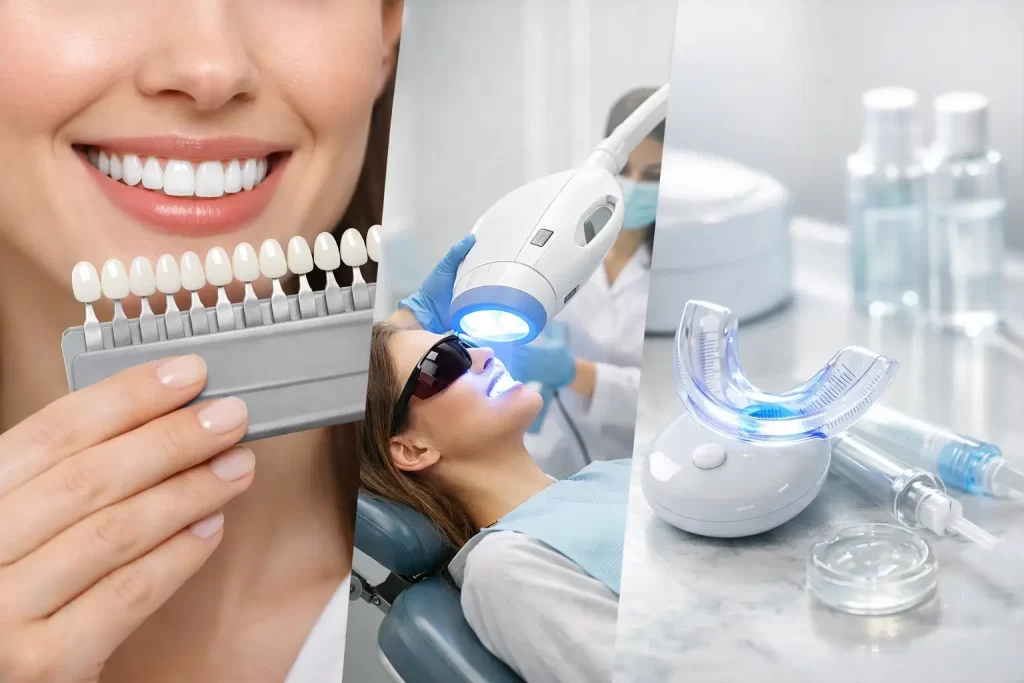
A brighter smile can make a noticeable difference before a wedding, job interview, family photo, or simply when you catch your reflection in the morning. If you are looking for a teeth whitening dentist Thornhill, the most useful first step is not choosing the strongest product available. It is finding out why your teeth look darker and whether whitening is the right approach for your smile.
Teeth naturally change colour over time. Coffee, tea, red wine, tobacco, richly coloured foods, certain medications, and normal ageing can all contribute. Professional whitening can be a safe, effective option for many adults, but results depend on the type of staining, the condition of your teeth and gums, and any existing dental work.
What professional teeth whitening can treat
Professional whitening uses peroxide-based whitening gel to break down many stains within the tooth structure. It is generally most effective for yellowing and surface staining caused by food, drinks, or tobacco. Patients often choose treatment when their smile looks dull even after a hygiene cleaning, or when they want a refreshed appearance without changing the shape of their teeth.
Not every discolouration responds in the same way. Grey tones, staining related to a tooth injury, and colour changes caused by certain medications may need a different cosmetic plan. A single darker tooth can sometimes require a more focused treatment after the underlying cause has been assessed.
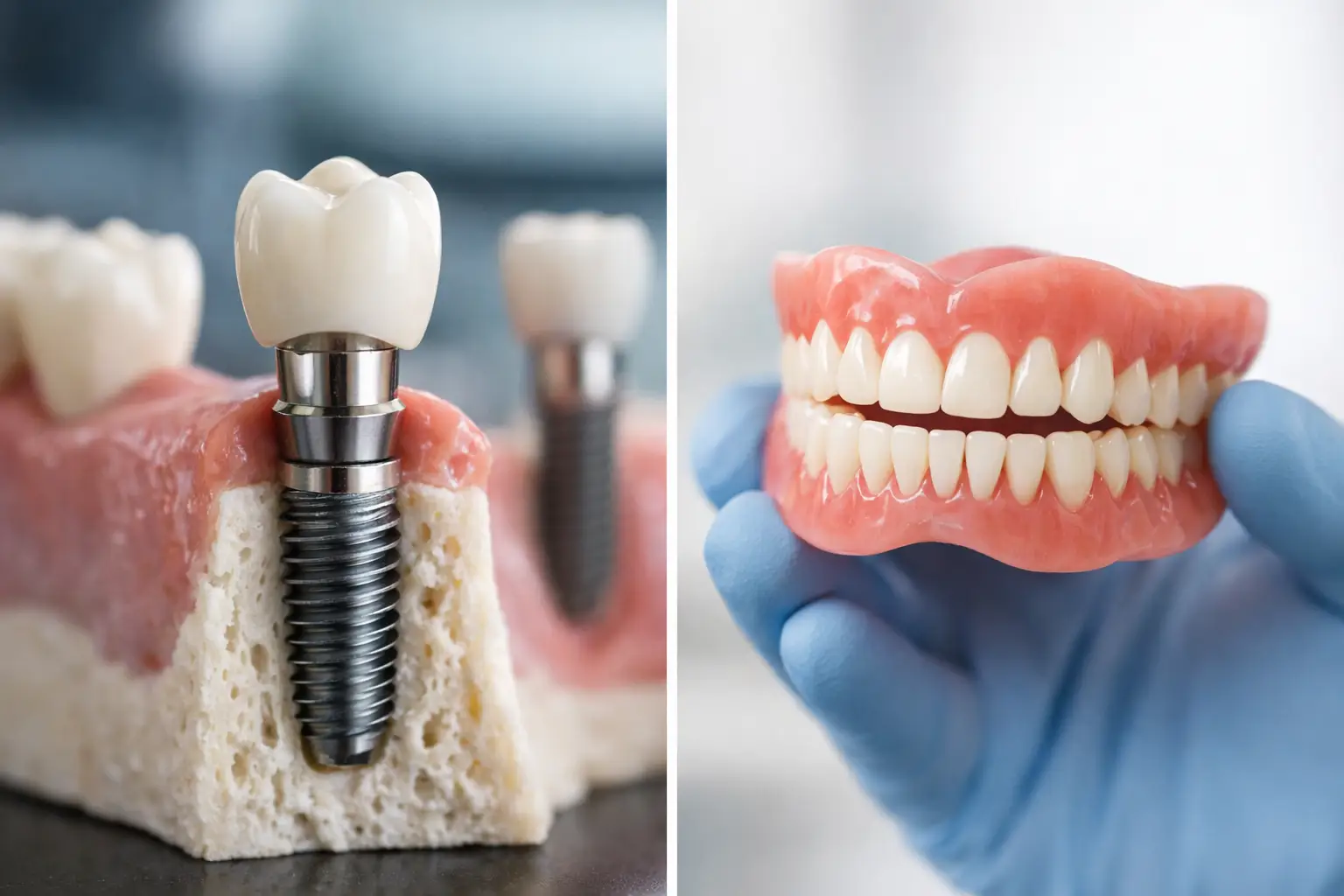
Whitening also will not lighten crowns, veneers, bonding, fillings, or dentures. This matters if you have a visible crown or bonding on a front tooth. Your dentist may recommend whitening your natural teeth first, then considering replacement of older visible restorations if their colour no longer matches. That approach can help avoid replacing dental work unnecessarily.
Why see a teeth whitening dentist in Thornhill first?
Over-the-counter strips, trays, and toothpastes are widely available, and some people are happy with modest results. However, they are not a substitute for a dental assessment. Whitening a tooth with untreated decay, a cracked tooth, inflamed gums, or significant sensitivity can be uncomfortable and may delay care that should come first.
A dental visit allows the team to check for issues that affect both comfort and results. For example, surface stain may improve significantly after a professional cleaning, while hardened tartar will not be removed by whitening gel. If a tooth has changed colour because of trauma or infection, the priority is diagnosing the tooth rather than whitening over the problem.
Professional care also provides guidance on the concentration, application method, and timing that make sense for you. This is particularly helpful for people with receding gums, exposed root surfaces, existing sensitivity, or a history of dental treatment. A whiter smile should not come at the expense of comfort or oral health.
In-office whitening and take-home options
The right whitening method depends on your timeline, budget, sensitivity, and expectations. In-office whitening is often chosen by patients who want a more immediate change for an upcoming event. Treatment is completed under professional supervision, and the gums and soft tissues are protected during the process.
Custom take-home whitening trays offer a more gradual option. They are made to fit your teeth closely, helping keep the whitening gel where it is needed. You use them as directed over a prescribed period, which can suit busy patients who prefer to whiten on their own schedule.
Neither option is automatically better. In-office treatment may be more convenient when time is limited, while custom trays can be useful for gradual whitening and future touch-ups. Your dentist can explain expected results, likely sensitivity, and the care routine involved before you decide.
Whitening toothpaste can help remove some new surface stains, but it does not produce the same degree of colour change as professional whitening. Some formulas are more abrasive than others, so using them aggressively can be counterproductive, especially if you already experience sensitivity or have enamel wear.
What your appointment may involve
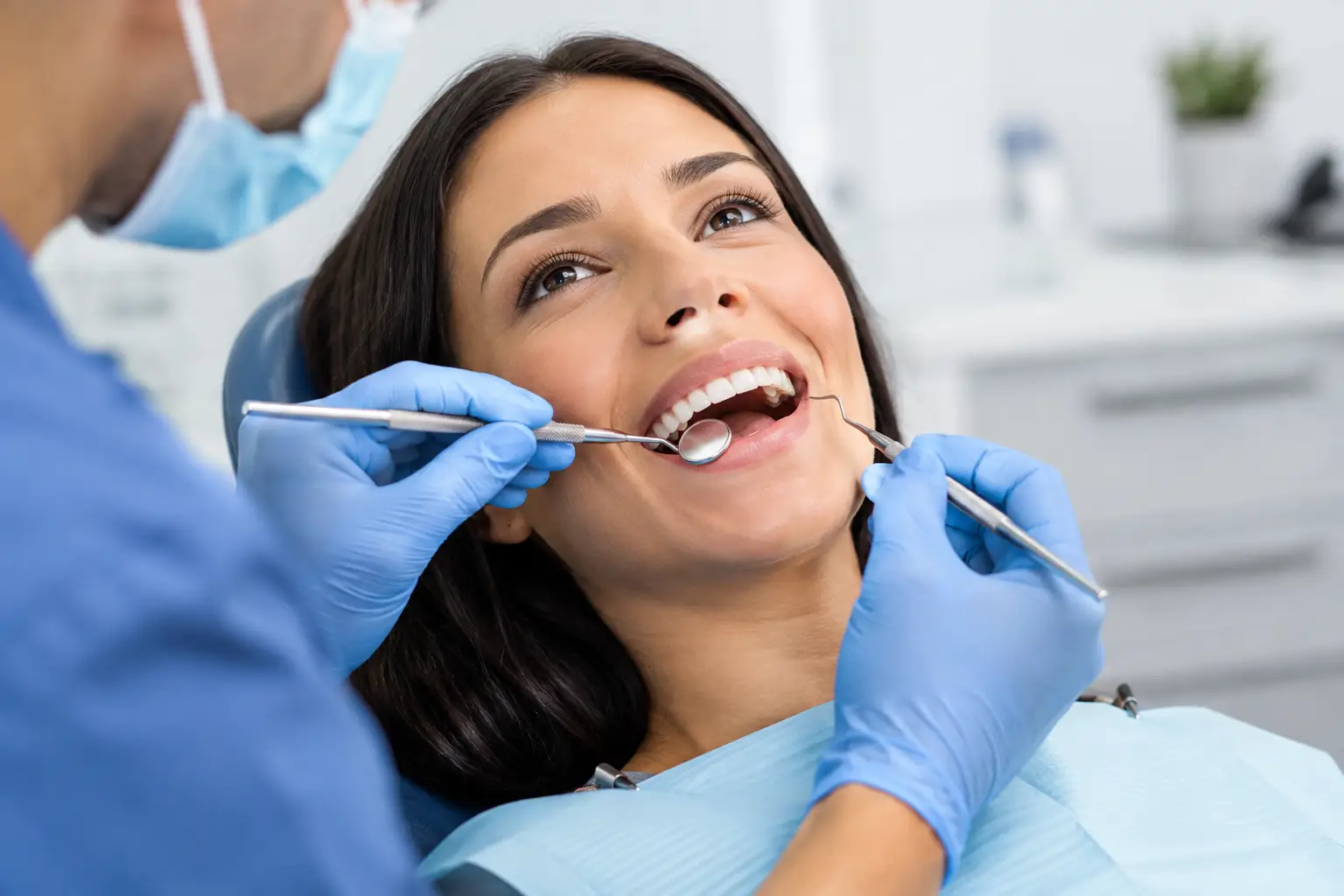
A whitening consultation is designed to be straightforward. Your dentist will review your oral health, ask what you would like to change, and look at the shade and pattern of discolouration. Sharing whether you have sensitive teeth, grind your teeth, use tobacco, or have had previous whitening helps guide the recommendation.
If whitening is appropriate, you will discuss the treatment options and what a realistic result looks like. Natural teeth have a range of shades, and the goal is usually a healthier-looking, brighter appearance rather than an artificial-looking white. Results vary from person to person, so a careful conversation at the start helps prevent disappointment later.
You may be advised to schedule a hygiene cleaning before treatment. Removing plaque and surface buildup can support a more even result. Any required fillings, gum treatment, or restorative work should usually be addressed first, particularly if it affects teeth visible when you smile.
Sensitivity is common, but it should be manageable
Temporary tooth sensitivity is one of the most common effects of whitening. It may feel like brief twinges when eating or drinking something cold, or a general sensitivity during treatment. For most people, it settles after whitening is paused or completed.
Let your dental team know if you have a history of sensitivity. Adjusting the whitening schedule, reducing wear time, using a lower-strength gel, or recommending a sensitivity toothpaste may help. Do not assume that discomfort means you need to push through. Persistent pain, gum irritation, or a sudden change in one tooth should be assessed.
Patients with active cavities, gum disease, exposed roots, or cracked teeth may need treatment before whitening. Pregnancy and breastfeeding can also be a reason to postpone elective whitening, depending on your dentist’s guidance. A careful plan is more valuable than a rushed result.
Keeping your smile brighter after treatment
Whitening is not permanent, because the same habits that caused staining can gradually affect your teeth again. How long results last depends on your diet, oral hygiene, smoking or vaping habits, and the original shade of your teeth.
You do not need to avoid coffee or tea forever. Rinsing with water after darker drinks, using a straw for iced beverages when practical, and maintaining regular brushing and professional cleanings can reduce new surface staining. If you smoke or use tobacco, reducing or stopping use benefits both your whitening results and your overall oral health.
Some patients benefit from occasional touch-ups, particularly if they use custom trays. Your dentist can advise when this is appropriate rather than having you whiten more often than necessary. Avoid mixing multiple whitening products or extending treatment beyond directions in hopes of faster results. More product does not always mean a better outcome.
Whitening as part of ongoing dental care
Cosmetic goals and everyday dental care often overlap. A clean, healthy mouth gives whitening a better foundation, while routine examinations can identify concerns before they become painful or more complicated. If you have old fillings, crowns, chipped edges, or uneven tooth colour, whitening may be only one part of the conversation.
DentiFlow Dentistry provides whitening within a full range of preventive, restorative, and cosmetic care, so your treatment can be considered alongside your long-term oral health needs. This is useful for families and busy adults who prefer one local clinic for regular hygiene visits, unexpected concerns, and smile improvements.
A brighter smile should still look like your smile. Book a consultation when you are ready to discuss your goals, ask questions about sensitivity or existing dental work, and choose a whitening plan that feels comfortable, practical, and right for you.