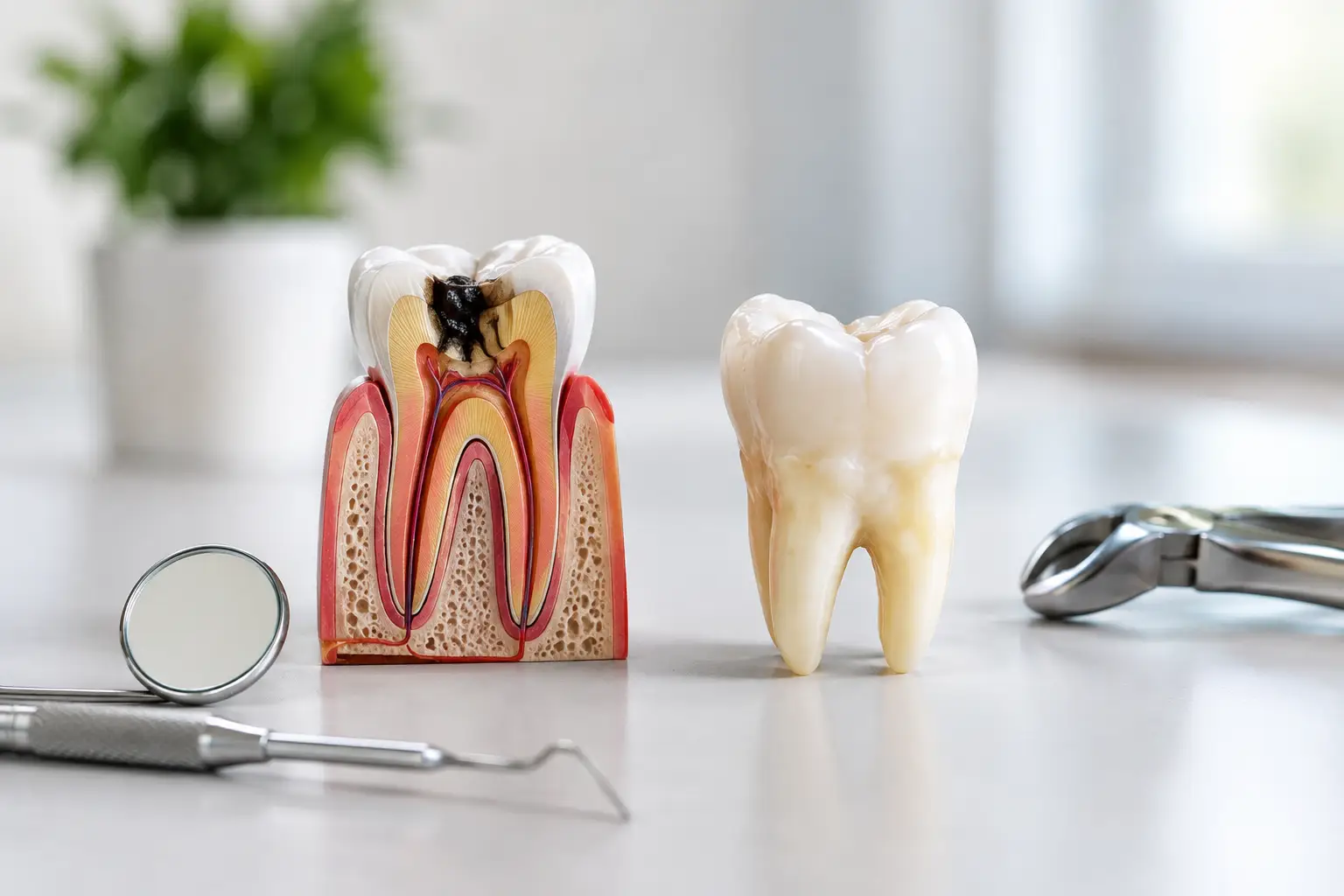

A small cavity can feel easy to postpone when it is not painful. The trouble is that decay does not stop because a tooth feels normal. Dental fillings repair areas damaged by decay, minor fractures, or worn-out older restorations before the problem grows into a larger, more uncomfortable treatment need.
For many patients, a filling is a straightforward way to protect their natural tooth and get back to eating, speaking, and smiling comfortably. Knowing what the treatment involves can make it much easier to book an appointment, whether you have noticed a sensitive spot or your dentist found an early cavity during a routine exam.
What are dental fillings?
A filling replaces a small portion of tooth structure that has been removed because of decay or damage. During treatment, the dentist cleans away the affected area, prepares the tooth, and places a restorative material that helps restore its shape and function.
Fillings are most often needed for cavities, but they can also repair a chipped edge, a small crack, or an old filling that has broken down. The goal is not only to improve appearance. A properly placed filling seals the treated area, helps prevent bacteria from reaching deeper parts of the tooth, and allows normal biting forces to be distributed more evenly.
Catching a cavity early usually means a simpler restoration and more of your healthy natural tooth can be preserved. When decay reaches the inner pulp of the tooth, a filling may no longer be enough. Root canal therapy and a crown may then be recommended to save the tooth.
Signs you may need a filling
Tooth decay can be quiet at first, which is why regular exams and X-rays remain valuable even when your mouth feels fine. Still, certain changes are worth having assessed promptly. You may notice sensitivity to cold, heat, sweets, or pressure when biting. A tooth may also feel rough, catch floss, or develop a visible dark spot or small hole.
Pain is possible, but it is not a reliable measure of how serious a cavity is. Some cavities cause no discomfort until they are quite advanced. On the other hand, sensitivity does not automatically mean you need a filling. Gum recession, teeth grinding, enamel wear, and a cracked tooth can create similar symptoms. A dental examination identifies the actual cause so treatment is based on what your tooth needs.
If you develop severe or lingering pain, facial swelling, fever, or a broken tooth after an injury, seek urgent dental care. These signs can point to a problem that needs more than a routine filling.
What happens during a filling appointment?
Most filling appointments are completed in one visit. Your dentist will first examine the tooth and review any X-rays needed to see between teeth or beneath an older restoration. They will explain the finding, the recommended treatment, and any options that apply to your situation.
The tooth and surrounding area are numbed with local anesthetic when needed. This keeps the procedure comfortable, especially when treating decay that is deeper or located in a sensitive area. Some very small surface repairs may not require freezing, but comfort should always be part of the conversation.
Once the area is numb, the damaged or decayed material is carefully removed. The tooth is cleaned and prepared for the filling material. For a tooth-coloured composite filling, the material is placed in layers and hardened with a curing light. Your dentist then shapes and polishes the restoration and checks your bite.
That bite check matters. A filling that sits even slightly high can make the tooth feel sore when you chew. Let the dental team know if your bite feels uneven after the freezing has worn off. A small adjustment can often resolve the problem quickly.
Choosing between filling materials
The best material depends on the tooth, the size and location of the restoration, bite forces, appearance preferences, and your dental history. Your dentist can help you weigh the practical trade-offs rather than choosing based on appearance alone.
Tooth-coloured composite resin is commonly used because it blends with natural enamel and can be bonded directly to the tooth. It is a popular choice for visible front teeth and can also work well in many back teeth. Composite restorations require a dry working area for proper placement, and very large restorations may not be the most durable option in every situation.
Amalgam fillings have a long history of use and are known for strength in areas exposed to heavy chewing pressure. Their silver colour makes them more noticeable, so some patients prefer tooth-coloured alternatives. If an existing amalgam filling is intact and the surrounding tooth is healthy, replacing it solely because of its colour is not always necessary.
For a cavity or fracture that affects a substantial part of the tooth, an inlay, onlay, or crown may offer better long-term support than a large filling. This is especially relevant for molars that absorb significant force when chewing. The most conservative choice is not always the smallest restoration. It is the option that adequately protects the remaining tooth structure.
How long do dental fillings last?
There is no single expiration date for a filling. Some last many years, while others need earlier replacement because of wear, leakage around the edges, new decay, clenching, or a fracture in the tooth itself. The material matters, but daily habits and the size of the restoration matter just as much.
A filling should be reviewed during regular checkups. Your dentist looks for changes around the restoration, checks your bite, and may use X-rays to identify decay that cannot be seen directly. Replacing a filling is not automatically needed because it is old. It is recommended when there is evidence that it is no longer protecting the tooth effectively.
Caring for a tooth after a filling
It is normal to have mild sensitivity to temperature or pressure for a short period after treatment, particularly if the cavity was close to the nerve. This should gradually improve. Avoid chewing until numbness is gone so you do not accidentally bite your cheek, tongue, or lip.
Once the freezing has worn off, you can generally return to your usual meals unless your dentist gives different instructions. Good home care protects both the filling and the tooth around it. Brush twice daily with fluoride toothpaste, clean between your teeth every day, and limit frequent sugary drinks or snacks. It is the repeated exposure to sugar and acid throughout the day, not only the amount at one meal, that can increase cavity risk.
If you clench or grind your teeth, discuss it with your dentist. A night guard may help reduce the pressure that can chip fillings and wear down enamel. Call the office if sensitivity worsens instead of improving, if pain wakes you at night, or if you feel a sharp edge, crack, or change in your bite.
Preventing the next cavity
A filling repairs existing damage, but it does not make the tooth immune to future decay. The edges where the filling meets natural enamel still need consistent cleaning. For children, adults with dry mouth, people who snack frequently, and anyone with a history of repeated cavities, preventive care may include more frequent hygiene visits, fluoride treatment, or tailored dietary guidance.
Regular care also gives your dental team a chance to spot small changes before they become urgent. At DentiFlow Dentistry, patients from Thornhill and nearby communities can receive preventive exams, hygiene care, fillings, and further restorative treatment in one familiar setting, with direct insurance billing and CDCP participation available for eligible patients.
A filling is often a small intervention with a meaningful purpose: keeping a manageable problem from becoming a painful interruption to daily life. If you have noticed sensitivity, a damaged filling, or simply have not had a checkup in some time, arranging an assessment is a practical next step toward protecting your smile.