A small white or chalky patch on a tooth can be an early warning sign, not necessarily a permanent hole. This is why people often ask, can cavities heal naturally? The accurate answer is that very early tooth decay may be stopped and partly repaired through remineralization. Once decay has created a physical hole in the tooth, however, it cannot grow back on its own. It needs professional treatment to prevent the damage from becoming deeper, more painful, and more costly to fix.
The distinction matters. Acting early can sometimes help you avoid a filling. Waiting for a cavity to heal after it has formed can allow bacteria to reach the softer inner layers of the tooth.
Can cavities heal naturally in the early stages?
Tooth enamel is the hard outer layer of a tooth. Every day, acids from plaque bacteria, sugary foods, acidic drinks, and frequent snacking can pull minerals out of enamel. This process is called demineralization.
Your saliva works in the opposite direction. It helps rinse away food particles and can return minerals such as calcium and phosphate to the enamel. Fluoride strengthens this repair process, helping early weakened areas become more resistant to future acid attacks. When the balance shifts in favour of repair, an early lesion may harden again. Dentists often call this remineralization.
At this stage, there may be no pain at all. You might notice a dull white spot, especially near the gumline, or your dentist may see an early change on an examination or X-ray. These areas deserve attention because they can either stabilize or progress.
Natural habits such as drinking water, eating balanced meals, and reducing frequent sugar exposure support the mouth’s ability to protect enamel. But “natural” does not mean leaving the problem alone. A professional assessment is the best way to tell whether enamel is simply weakened or whether decay has already broken through its surface.
When a cavity cannot heal by itself
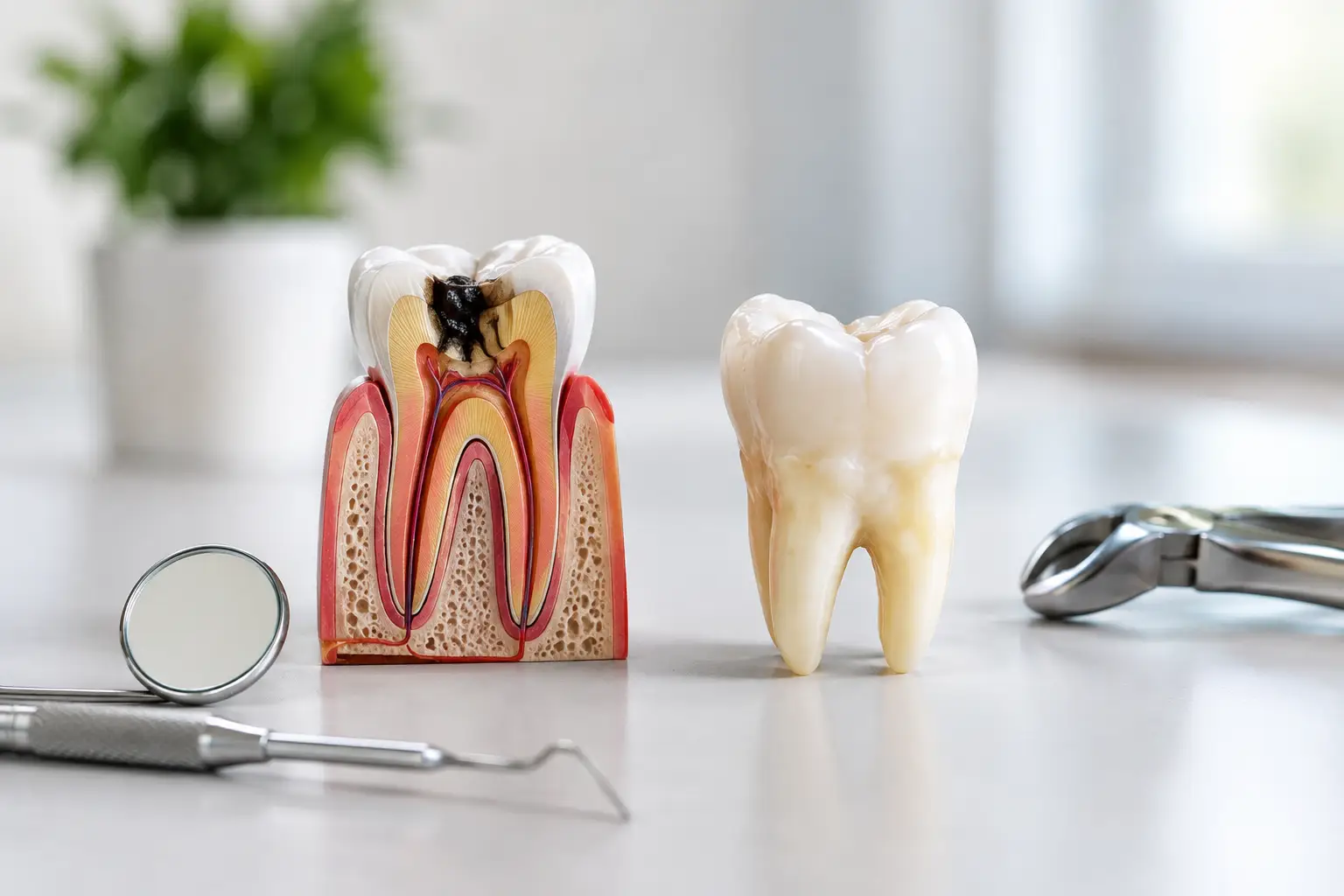
A cavity is an actual opening caused by decay. Once the enamel has collapsed into a hole, the tooth cannot rebuild its original shape. Saliva and fluoride can help protect the surrounding enamel, but they cannot fill missing tooth structure.
Decay may then move into dentin, the softer layer beneath enamel. Dentin breaks down faster than enamel, so a small cavity can become more significant without looking dramatic from the outside. If bacteria reach the pulp, where the tooth’s nerve and blood supply are located, symptoms can include lingering sensitivity, spontaneous toothache, swelling, or pain when biting. At that point, treatment may involve a root canal and crown rather than a simple filling.
This is not meant to cause alarm. It is a reason to book when you notice a concern, even if discomfort comes and goes. Modern fillings are designed to remove decay and restore the tooth before the problem becomes more complex.
What actually helps early enamel repair
If a dentist confirms that decay is in its earliest stage, a prevention-focused plan can make a real difference. The goal is to reduce acid attacks and support remineralization consistently, not to rely on one product or home remedy.
Use fluoride as directed
Brush twice daily with a fluoride toothpaste, using a soft-bristled toothbrush and gentle pressure. After brushing, spit out excess toothpaste rather than rinsing thoroughly with water, so fluoride can remain on the teeth longer. For patients at higher risk of decay, a dentist may recommend a prescription-strength fluoride toothpaste or in-office fluoride treatment.
Fluoride is well established in preventive dentistry. It is not a substitute for treating an existing hole, but it can help strengthen vulnerable enamel and reduce the risk of new cavities.
Change the frequency of sugar, not just the amount
How often teeth are exposed to sugar and acid matters greatly. Sipping sweetened coffee, juice, pop, sports drinks, or sweetened tea throughout the day repeatedly feeds plaque bacteria. Even seemingly small snacks can keep the mouth in an acidic cycle when they are frequent.
It is generally easier on teeth to enjoy sweet foods with a meal than to graze on them over several hours. Water is the best everyday drink between meals. If you have an acidic beverage, avoid brushing immediately afterward, as enamel may be temporarily softened. Rinsing with water and waiting about 30 minutes before brushing is often a better approach.
Clean where decay starts
A toothbrush does not reach between teeth effectively. Flossing or using an appropriate interdental cleaner once a day helps remove plaque from areas where cavities often begin unnoticed. Children, teens with orthodontic appliances, adults with crowded teeth, and older adults with dry mouth may need more tailored advice on cleaning techniques.
Regular hygiene appointments also matter because hardened plaque, known as tartar, cannot be removed fully at home. Cleanings and examinations give your dental team a chance to identify small changes before they become urgent.
Support saliva instead of drying it out
Saliva is a natural defence system for the teeth. Dry mouth can increase cavity risk because there is less saliva available to rinse, buffer acids, and deliver minerals. Some medications, medical conditions, mouth breathing, cannabis use, and tobacco use can contribute to dryness.
Frequent sips of water and sugar-free gum containing xylitol may help some people stimulate saliva after meals. Persistent dry mouth deserves a dental conversation, particularly if you are getting cavities more often than before.
Remedies that do not reverse a formed cavity
Online advice can make cavity care sound simpler than it is. Oil pulling, coconut oil, charcoal powders, supplements, and dietary changes may be discussed as natural solutions, but none can rebuild tooth structure once a cavity has formed.
Some products also have downsides. Abrasive charcoal powders may wear enamel over time, while acidic home treatments can make sensitivity worse. Avoid placing aspirin directly on a painful tooth or gum tissue. It does not treat the source of the pain and can burn the soft tissues.
Nutrition is still meaningful for overall oral health. A diet that includes protein, fibre-rich foods, dairy or other calcium-rich options, and plenty of water can support healthy teeth and gums. The practical limitation is that diet cannot close a cavity or remove bacteria trapped inside it.
How dentists decide whether to monitor or treat
Dentists do not automatically drill every early spot. The decision depends on whether the area is intact, how active the decay appears, its location, your cavity history, X-ray findings, oral hygiene, diet, saliva flow, and overall risk level.
An early, non-cavitated enamel lesion may be monitored with fluoride support and improved home care. A cavitated area, active decay between teeth, or decay that has reached dentin will usually need restorative treatment. A tooth-coloured filling is commonly used for smaller cavities. Larger areas of damage may require a crown to restore strength and function.
This approach is not about doing more treatment than necessary. It is about choosing the least invasive effective option at the right time. A checkup gives you clear information rather than guesswork based on a tooth’s appearance or lack of pain.
When to arrange care promptly
Book a dental visit soon if you notice sensitivity to hot, cold, or sweets; a dark spot or visible pit; food repeatedly catching in one area; pain when biting; or a toothache that lasts after the trigger is gone. These signs do not always mean severe decay, but they should be assessed.
Swelling of the face or gums, fever, a bad taste with swelling, trouble swallowing, or difficulty breathing can signal an infection that requires urgent dental or medical attention. Do not wait for a scheduled cleaning if these symptoms occur.
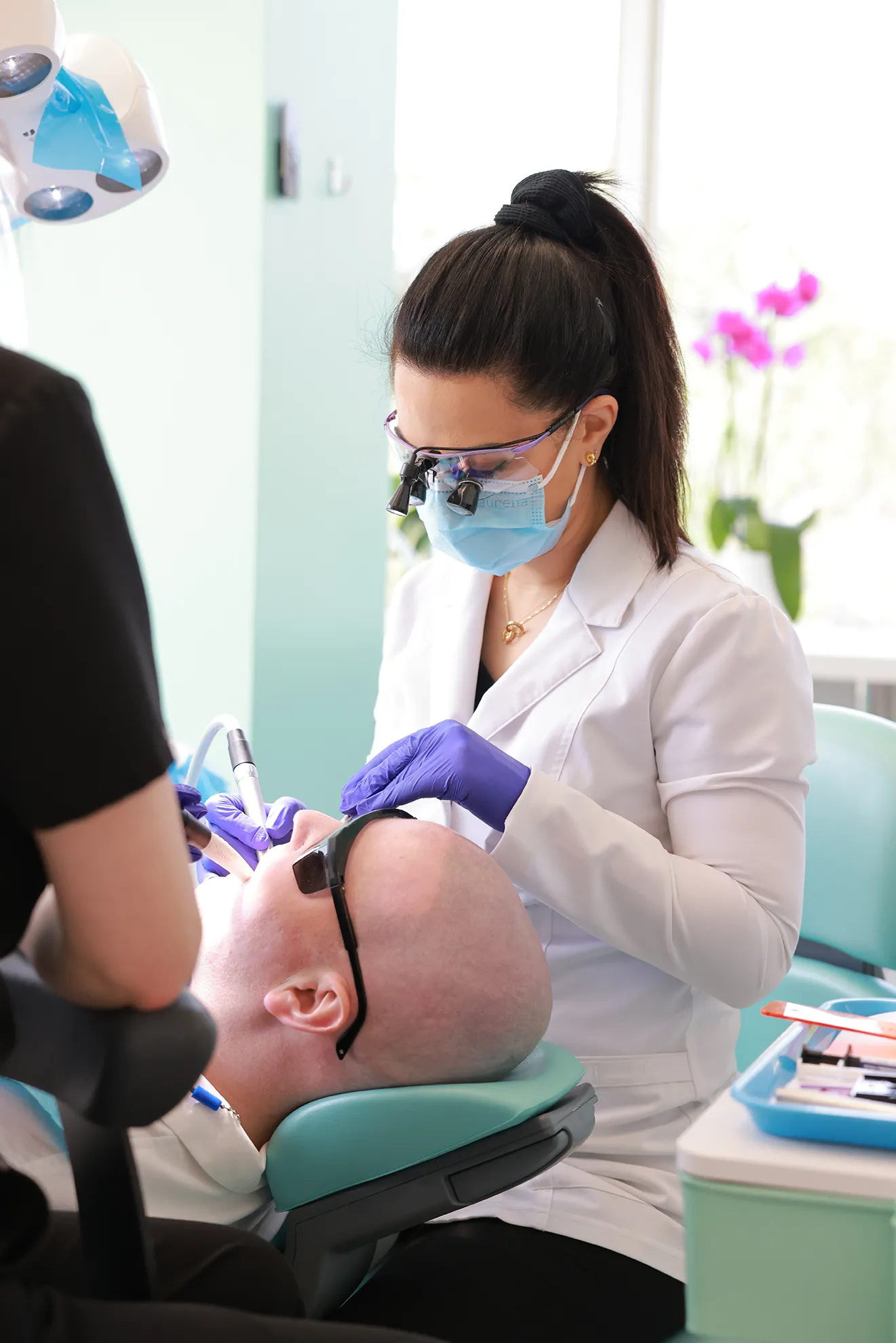
For families in Thornhill and nearby communities, DentiFlow Dentistry can assess a suspected cavity, explain what the tooth needs, and provide preventive or restorative care in one familiar setting. If cost or coverage is a concern, asking about direct insurance billing and CDCP participation can make the next step feel more manageable.
A cavity is easiest to treat before it hurts. If you have noticed a change in a tooth, arranging an examination now can protect more of your natural tooth structure and give you a straightforward plan for what comes next.