These symptoms suggest the joint is out of alignment and may benefit from therapy.

At DentiFlow Dentistry in Thornhill, we provide personalized TMJ treatment for patients experiencing jaw pain, headaches, limited movement, and related symptoms. TMJ disorders (TMD) affect the temporomandibular joint, which connects your jaw to your skull. When this joint becomes strained, inflamed, or misaligned, it can cause ongoing discomfort and interfere with your daily life. Our experienced team offers effective, non-invasive solutions to restore comfort and function.



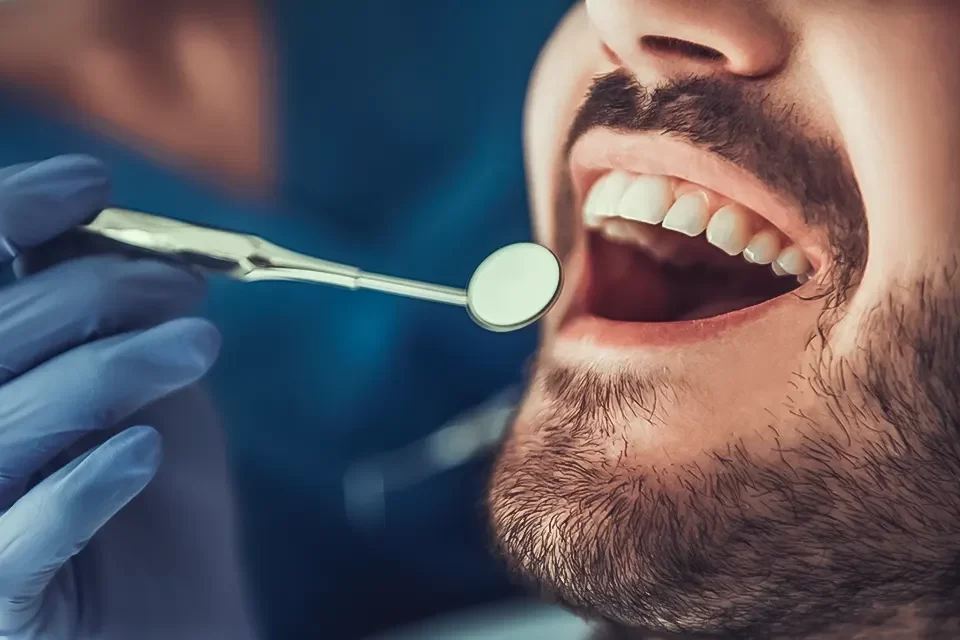
TMJ disorder, or TMD, occurs when the jaw joint and surrounding muscles don’t work together correctly. It can be caused by stress-related teeth grinding (bruxism), jaw misalignment, arthritis, injury, or bite issues. Symptoms include jaw clicking or popping, facial pain, earaches, headaches, and difficulty opening or closing the mouth. TMJ treatment focuses on relieving strain, correcting alignment, and reducing inflammation to restore normal jaw movement.
Targeted treatment can alleviate jaw pain, headaches, ear discomfort, and facial tension.
Improved mobility and alignment reduce stiffness and clicking when opening or chewing.
Treating teeth grinding and jaw clenching can enhance sleep quality and reduce nighttime discomfort.
Here’s what you can expect during your TMJ care at DentiFlow:
We begin with a detailed examination, including X-rays or digital scans, to identify the cause of your TMJ symptoms.
Based on your diagnosis, we recommend options such as custom nightguards, bite adjustments, relaxation therapy, or restorative dental work.
We provide guidance on jaw exercises, stress management, and follow-up visits to track your progress and adjust your care as needed.
Our team works with you to prevent future flare-ups and maintain healthy jaw function over time.
Persistent soreness, stiffness, or tenderness in the jaw could indicate TMJ dysfunction.
These symptoms suggest the joint is out of alignment and may benefit from therapy.
Bruxism can lead to jaw stress and muscle fatigue, requiring custom treatment.
TMJ issues often contribute to tension headaches and discomfort near the ears or temples.
After beginning TMJ treatment:
Wear your nightguard or appliance consistently as instructed.
Apply warm compresses or do gentle jaw exercises to ease tension.
Avoid chewing gum and hard foods that strain the jaw.
Follow up regularly to assess improvement and adjust your plan as needed.

TMJ treatment may be partially covered under your dental or extended health insurance plan. Our team will help you understand your benefits and out-of-pocket costs. We also accept patients under the Canadian Dental Care Plan (CDCP) and offer flexible payment options.
Our experienced dentists and dental hygienists are committed to your comfort and long-term oral health.
From children to seniors, we provide complete dental care in one convenient Thornhill location.
We offer evening and weekend appointments, insurance billing, and personalized treatment planning.
Dr. Shamin Makvandi and Dr. Sandy Dief are experienced in diagnosing and treating TMJ disorders using gentle, non-surgical approaches tailored to your condition. For complex bite adjustments or restorative work, Dr. Hamed Nemati Rezvani offers additional support to ensure comprehensive care.
Common signs include jaw pain, clicking sounds, headaches, or trouble opening your mouth fully.
Many patients experience lasting relief, but consistent care and follow-up are important for long-term success.
Most TMJ issues can be managed with non-surgical treatments like splints, nightguards, and bite therapy.
Yes—stress can lead to muscle tension and teeth grinding, both of which can aggravate TMJ discomfort.