
A dental checkup for adults in Thornhill is not just a quick look for cavities. It is a chance to spot small changes before they become a painful toothache, an urgent appointment, or a treatment that is more involved than it needed to be. Whether you have kept up with regular visits or have not seen a dentist in years, the right appointment should feel clear, respectful, and manageable.
For busy adults, dental care is often pushed aside until something hurts. The difficulty is that many common concerns – gum disease, decay between teeth, worn restorations, and cracked teeth – can develop quietly. Regular exams give you practical information about your oral health and a plan that fits your needs, schedule, and budget.
What happens at an adult dental checkup?
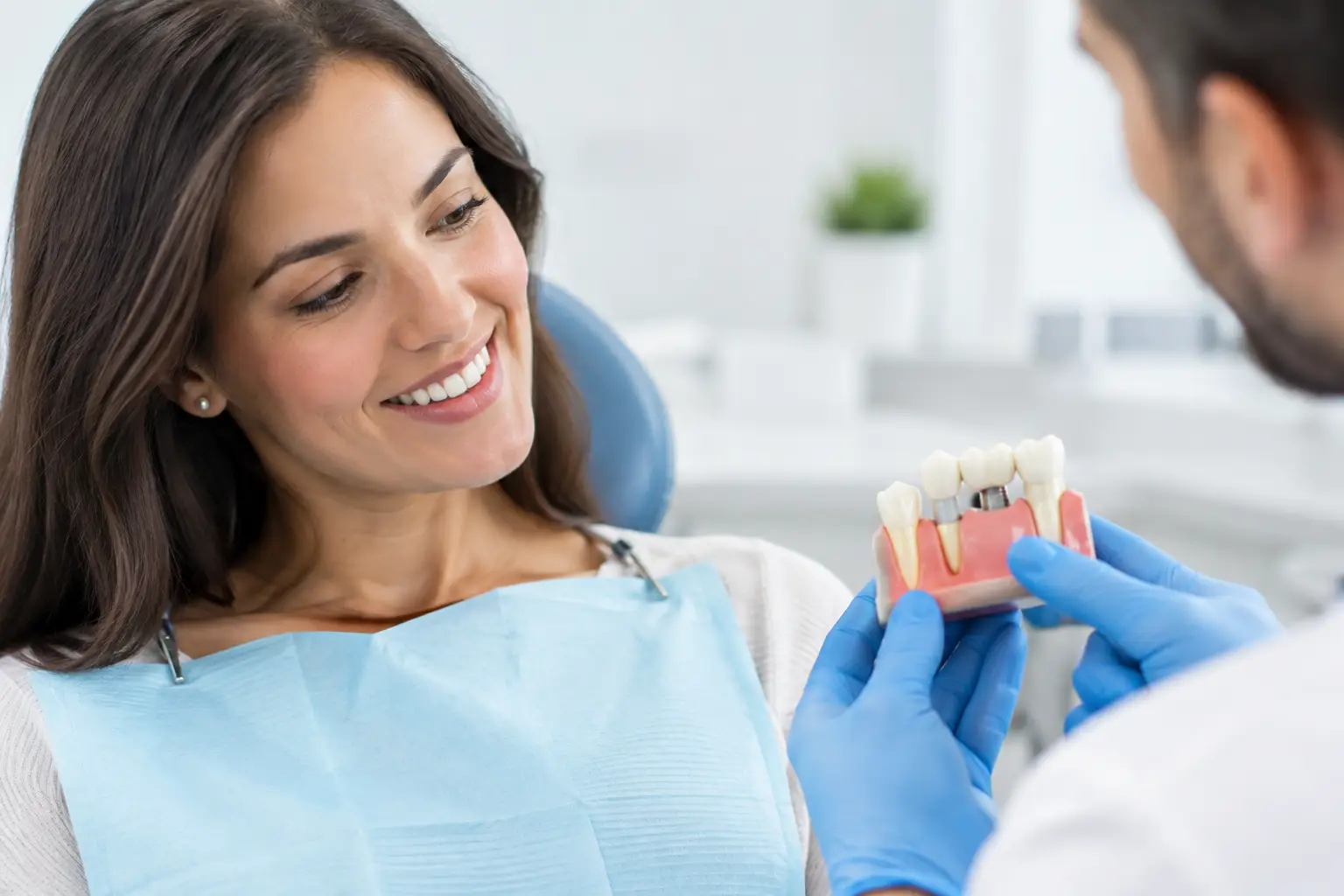
An adult checkup is personalized, but it generally includes a review of your health history, an examination of your teeth and gums, and a discussion about anything you have noticed. That may be sensitivity to cold, bleeding when you brush, jaw soreness, bad breath, a chipped tooth, or a crown that no longer feels quite right. Even details that seem minor can help your dental team identify the cause.
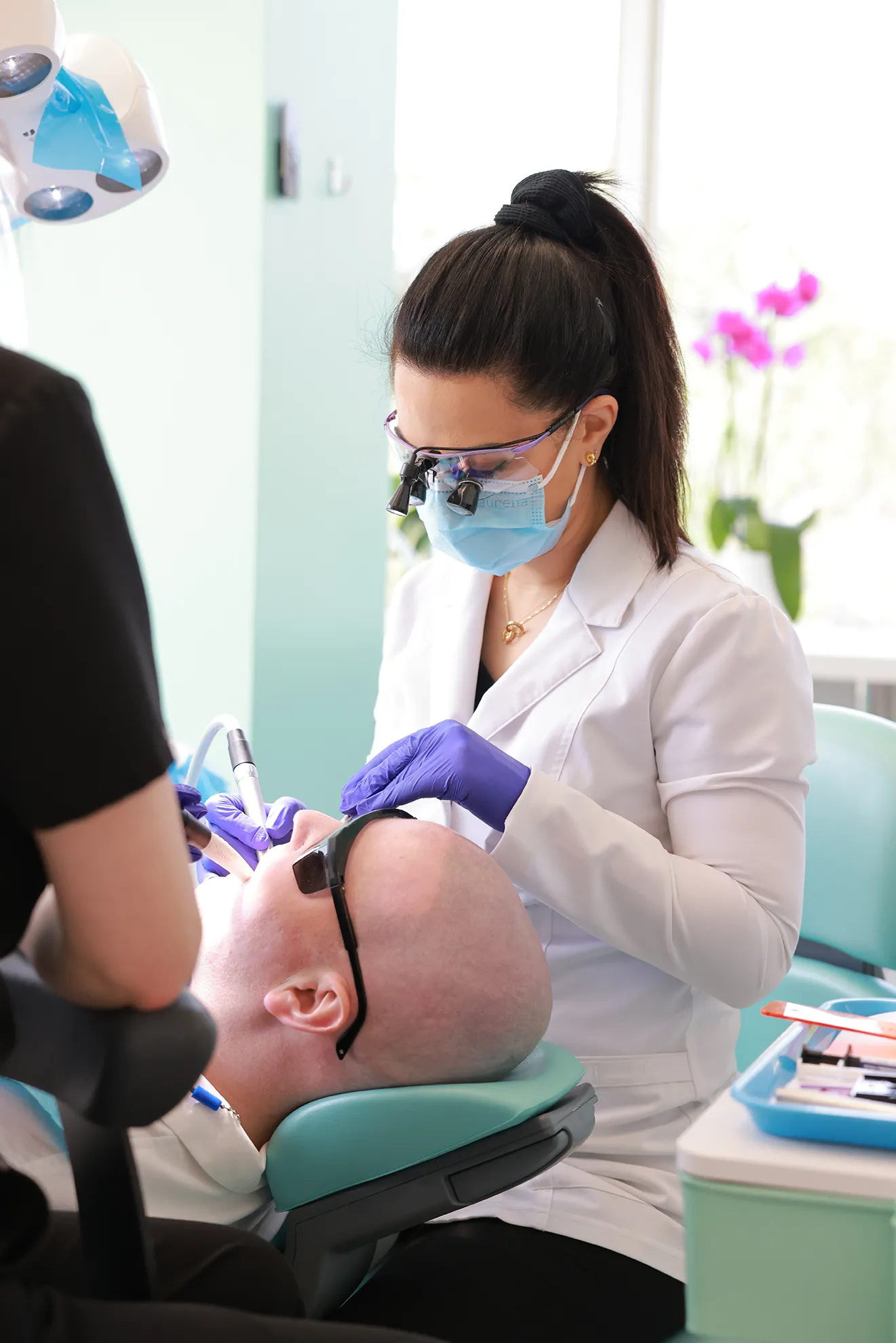
Your dentist examines the visible surfaces of your teeth, existing fillings, crowns, bridges, and other dental work. They also assess the gums and supporting bone, check your bite, and look at the soft tissues in your mouth. This broader review matters because oral health is not limited to whether a tooth has a cavity. Gum inflammation, grinding, dry mouth, and changes in the way your teeth meet can all affect comfort and long-term dental health.
X-rays may be recommended when they are clinically appropriate. They allow the dentist to see areas that cannot be examined directly, including between teeth, below the gumline, and around tooth roots. Not every patient needs the same images at every visit. The timing depends on your dental history, current findings, risk of decay, and any symptoms you are experiencing.
If a professional cleaning is due, a dental hygienist removes plaque and hardened tartar that brushing and flossing cannot fully eliminate. They can also show you small adjustments to your home routine, such as how to clean around a bridge, implant, orthodontic retainer, or areas where gums tend to bleed.
Why regular exams matter before pain begins
Pain is a useful warning sign, but it is not a reliable measure of dental health. A cavity may not hurt until it has reached a deeper part of the tooth. Gum disease can progress with little discomfort, especially in its earlier stages. A small crack may only become noticeable when you bite on a certain food, then worsen over time.
Finding a concern early often gives you more options. A small area of decay may be treated with a filling, while more extensive damage might eventually require a crown or root canal treatment. Early gum inflammation may respond well to improved home care and regular hygiene visits. If periodontal disease has advanced, more focused treatment and ongoing monitoring may be needed.
There is also a practical benefit: preventive visits can reduce the likelihood of dental problems interrupting work, travel, family plans, or an important event. No checkup can guarantee that an emergency will never happen, but consistent care helps reduce avoidable surprises.
How often should adults book a dental checkup in Thornhill?
There is no single schedule that suits every adult. Many patients benefit from regular examinations and hygiene appointments, commonly every six months, but your dentist may suggest a different interval based on your needs. Someone with healthy teeth and gums, low cavity risk, and consistent home care may need a different schedule from someone managing gum disease, frequent decay, dry mouth, diabetes, pregnancy-related gum changes, or several restorations.
If you smoke or vape, take medications that cause dry mouth, grind your teeth, or have had repeated dental problems, mention it at your appointment. These factors do not automatically mean serious trouble, but they can change the level of prevention and monitoring that makes sense for you.
The best interval is the one recommended after an assessment of your own risks, not a one-size-fits-all rule. If cost or time has made regular visits difficult, ask the clinic to help prioritize what should be addressed now and what can be monitored or planned for later.
Signs you should not wait for your next routine visit
A regular checkup is valuable, but some concerns call for an earlier assessment. Contact a dental office promptly if you have a persistent toothache, facial or gum swelling, a broken tooth, a lost filling or crown, bleeding that does not improve, a mouth sore that does not heal, or pain when biting.
A knocked-out tooth, uncontrolled bleeding, significant swelling, or a dental injury should be treated as urgent. Acting quickly can make a difference to comfort and treatment options. It is also wise to arrange an appointment if your dentures no longer fit well, an implant area feels sore, or you notice that a tooth has shifted, become loose, or changed colour.
Do not try to manage a dental infection with pain medication alone. Medication may temporarily reduce discomfort, but it does not remove the source of an infection. A dentist can assess what is happening and recommend the appropriate treatment.
Making your appointment more useful
Bring any relevant information to your visit, including a list of medications, recent medical diagnoses, and details about dental treatment you have had elsewhere. If you have dental benefits, have your insurance information available so the administrative team can help with direct billing where applicable. Patients eligible for the Canadian Dental Care Plan should also let the office know when booking.
It helps to be direct about your priorities. Perhaps you want to prevent more fillings, replace a missing tooth, improve the appearance of a chipped front tooth, or simply get back to routine care after a long gap. Your dental team can explain the condition of your mouth in plain language and outline appropriate options, from preventive care to restorative or cosmetic treatment.
If dental anxiety has kept you away, say so. Many adults feel embarrassed about delayed care, but there is no benefit in judgement. A patient-centred practice will focus on where you are now, explain each step, and help you move at a comfortable pace. You can ask questions, request breaks, and discuss what to expect before treatment begins.
Everyday habits that support your checkup results
A professional cleaning and examination work best alongside consistent home care. Brush twice daily with fluoride toothpaste, clean between your teeth each day, and replace your toothbrush or brush head when worn. If you have a bridge, implant, braces, or dentures, ask which cleaning tools are most suitable for your situation.
Food and drink choices matter as well. Frequent sipping on sugary drinks, sports drinks, sweetened coffee, or acidic beverages can increase the chance of decay and enamel wear. You do not need a perfect diet to care for your teeth, but reducing how often your teeth are exposed to sugar and acid can help. Water is a tooth-friendly choice between meals.
Grinding or clenching can be another overlooked issue. Morning headaches, jaw tension, worn tooth edges, or broken restorations may point to a bite-related concern. A checkup is a good time to discuss these symptoms and whether a custom night guard or another approach may be appropriate.
Care that fits into real life
For adults across Thornhill and nearby communities, convenience can be the difference between postponing care and keeping up with it. DentiFlow Dentistry provides comprehensive examinations, hygiene care, restorative treatment, cosmetic options, and support for dental emergencies in one local clinic. New patients can book appointments online, and the team can assist with direct insurance billing and CDCP-related questions.
A dental visit does not need to start with a major problem. Booking an exam when your mouth feels well is a practical way to protect that comfort, understand your options, and keep your next step simple.