A professional teeth cleaning Thornhill appointment is not simply about making teeth feel smooth. It is a practical preventive visit that removes buildup your toothbrush cannot fully reach, checks the health of your gums, and gives you a clearer picture of what your mouth needs next. For busy families, working adults, and patients returning after a long break, it is one of the most effective ways to keep routine dental care manageable.
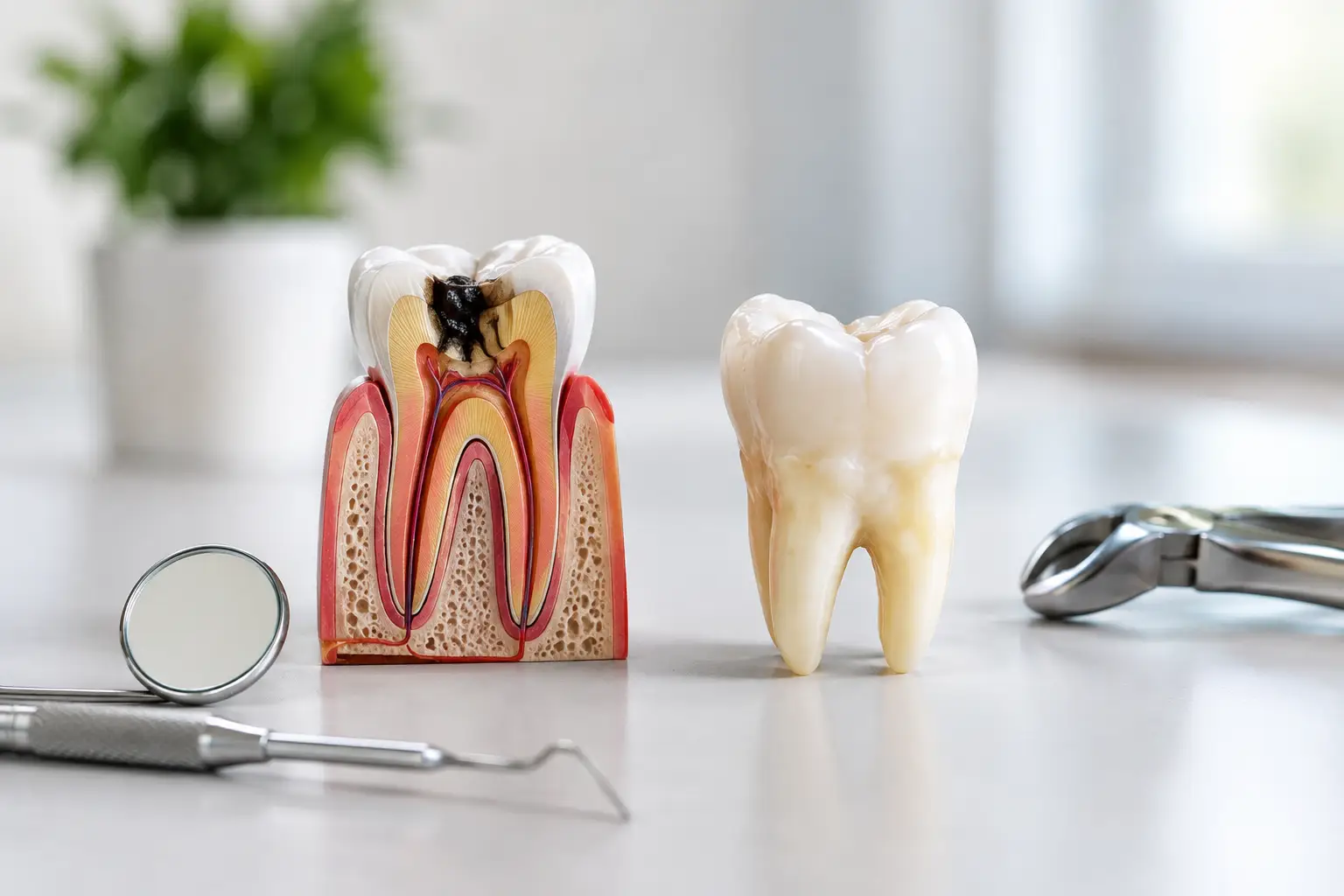
Plaque forms every day. When it is not removed thoroughly, it can harden into tartar, also called calculus. Tartar cannot be brushed away at home, and it creates a rough surface where more plaque can collect. A dental hygienist uses professional instruments to remove this buildup safely, especially around the gumline and between teeth.
What happens during professional teeth cleaning in Thornhill?
Your visit begins with a review of your oral health history and any changes since your last appointment. Mention sensitivity, bleeding gums, bad breath that does not improve, pain when chewing, medications, pregnancy, or concerns about a specific tooth. These details help the dental team tailor your care and identify issues that may need closer attention.
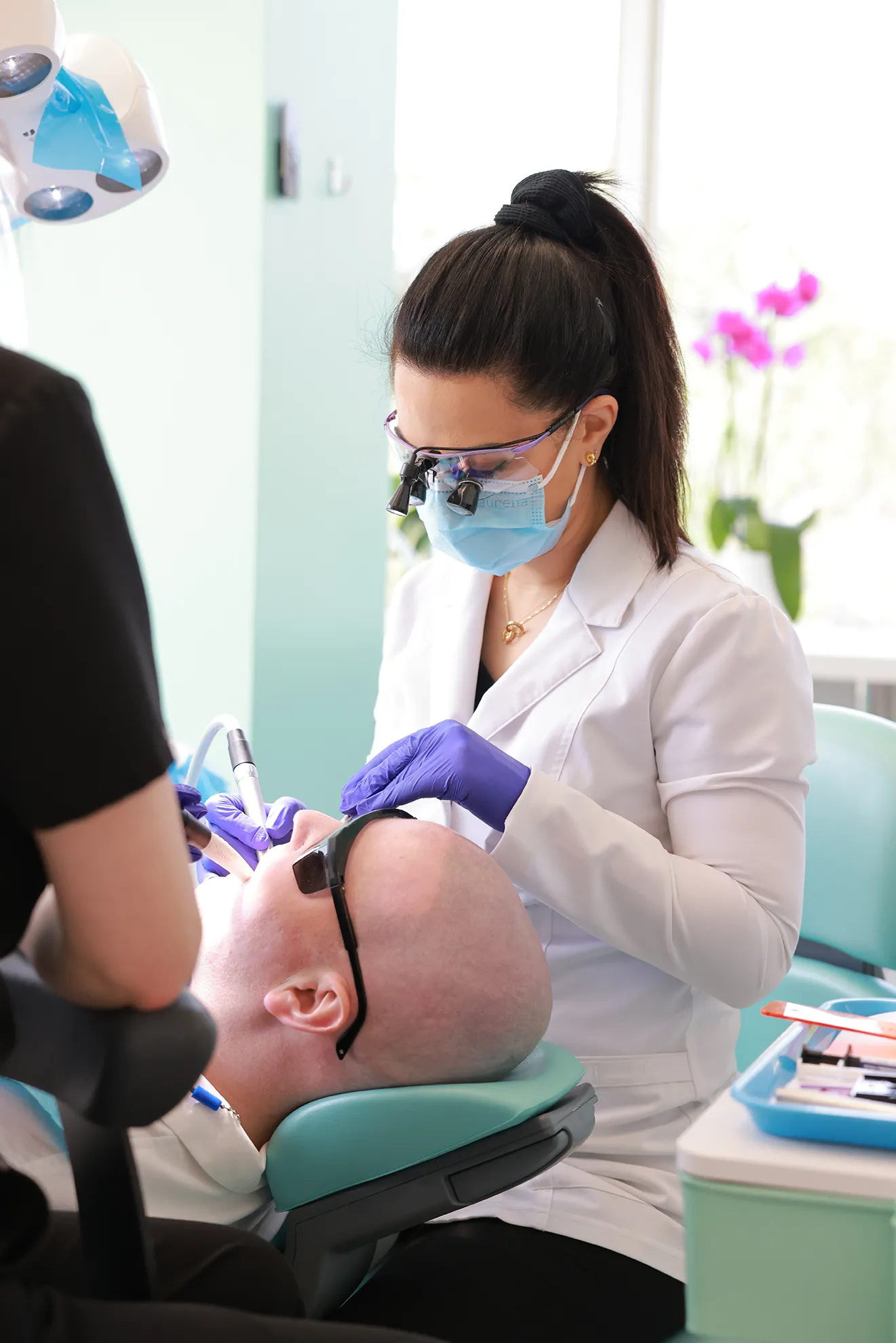
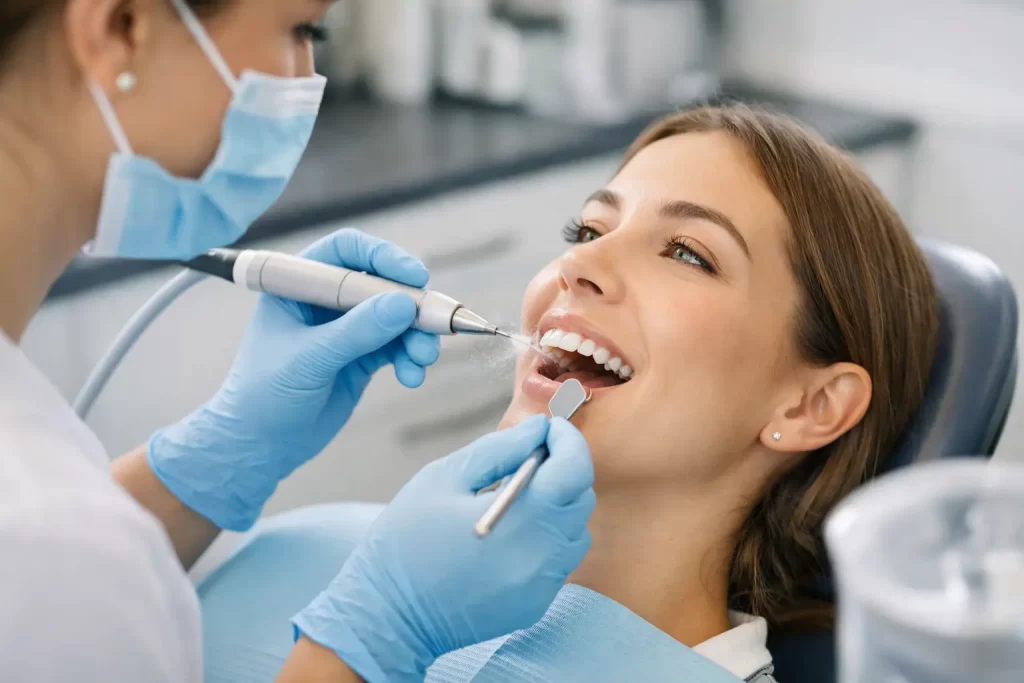
The cleaning itself usually includes scaling, polishing, and guidance for home care. Scaling removes plaque and tartar from the tooth surfaces and around the gumline. Depending on the amount and location of the buildup, the hygienist may use hand instruments, ultrasonic equipment, or both. You may notice vibration, water, and a scraping sound, but the procedure should be manageable.
Polishing follows when appropriate. It helps remove surface stains from foods, drinks, and everyday wear, leaving teeth feeling cleaner and smoother. Polishing is not the same as whitening. It can improve the look of mild external staining, but it does not change the natural shade of your teeth in the way a professional whitening treatment can.
Your appointment may also include flossing, a fluoride recommendation, gum measurements, X-rays when clinically needed, and an examination by the dentist. A cleaning and dental exam work well together, but they serve different purposes. The cleaning addresses buildup and gum maintenance, while the examination looks for concerns such as decay, cracked teeth, worn restorations, bite changes, and signs of oral disease.
Why regular cleanings matter beyond a brighter smile
The most visible benefit of a cleaning is the fresh, polished feeling afterwards. The more valuable benefit is what happens below the surface. Plaque near the gums can cause inflammation, leading to redness, swelling, tenderness, and bleeding when brushing or flossing. These early signs can be easy to dismiss, particularly when they come and go.
Regular hygiene visits help the dental team monitor whether gum inflammation is improving or progressing. When gum disease advances, it can affect the supporting tissues and bone around the teeth. Early care is generally simpler than waiting until gums recede, teeth feel loose, or discomfort becomes harder to ignore.
Cleanings are also an opportunity to catch small issues before they become disruptive. A developing cavity may not hurt at first. A cracked filling may be noticed before it breaks further. For patients with crowns, bridges, implants, dentures, or orthodontic appliances, routine maintenance helps keep both natural teeth and dental work in better condition.
How often should you book a cleaning?
There is no single schedule that suits every patient. Many people benefit from a cleaning and checkup every six months, but your recommended interval depends on your oral health, home-care routine, medical history, and previous gum measurements.
Someone with consistently healthy gums and minimal buildup may need a different schedule than someone managing gum disease, frequent cavities, dry mouth, diabetes, smoking-related risks, or extensive restorative work. Children and teens may also need timing based on cavity risk, orthodontic treatment, and how confidently they brush and floss on their own.
If you have been told you have periodontal, or gum, disease, more frequent hygiene visits may be recommended. This is not a penalty for imperfect brushing. It is a maintenance plan designed to control bacteria and protect the tissues that support your teeth. The right frequency should be based on your clinical needs, not a one-size-fits-all rule.
What if it has been a long time since your last visit?
Many people postpone dental cleanings because life becomes busy, insurance changes, a previous experience caused anxiety, or they are worried they will be judged. Delaying care is common, and it should not prevent you from making an appointment now.
If there is significant tartar buildup or gum tenderness, your first visit back may require extra time or more than one hygiene appointment. In some cases, deeper cleaning may be recommended when buildup has collected below the gumline. The team should explain what they see, why a recommendation is being made, and what the next steps involve before proceeding.
You may have temporary sensitivity or mild gum tenderness after a cleaning, especially if your gums were inflamed or it has been a while. This typically settles quickly. Let the clinic know if discomfort is severe, persists, or is accompanied by swelling or fever.
Making your hygiene appointment more comfortable
A clean mouth is helpful, but there is no need to overprepare. Brush and floss as usual, arrive a few minutes early if you are completing forms, and bring any relevant insurance information. If you take medication or have had a recent medical change, tell the team before treatment begins.
Dental anxiety deserves a straightforward conversation. You can ask the hygienist to explain each step, pause when you raise a hand, use gentle techniques around sensitive areas, or break a longer visit into manageable stages where clinically appropriate. Clear communication often makes the experience feel far more predictable.
Parents can help children by describing the visit in calm, simple terms. Avoid promising that nothing will feel unusual. It is more helpful to say that the dental team will count teeth, clean away the sticky buildup, and explain what is happening. A positive first hygiene experience can shape how comfortably a child approaches dental care for years.
Keeping results going at home
Professional cleaning does not replace daily care. It gives you a clean starting point and a chance to improve the areas that are hardest to reach. Brush twice daily with fluoride toothpaste, clean between teeth once a day with floss or another tool recommended for you, and limit frequent sugary snacks and drinks where possible.
Technique matters as much as effort. A soft-bristled toothbrush angled gently toward the gumline is often more effective than aggressive scrubbing. If flossing feels difficult because of tight contacts, bridges, braces, or limited dexterity, ask for a realistic alternative. The best routine is one you can perform consistently.
Call sooner than your next scheduled visit if you notice persistent gum bleeding, swelling, tooth pain, a broken tooth, a lost filling or crown, sensitivity that lingers, or a change in how your teeth fit together. A routine concern can sometimes wait for an appointment, but pain and injury should be assessed promptly.
At DentiFlow Dentistry, patients can receive preventive hygiene care alongside examinations, restorative treatment, cosmetic care, and emergency dental support in one local clinic. New patients, families, and patients returning to care can ask about appointment availability, direct insurance billing, and CDCP participation when booking.
A clean, comfortable smile begins with one appointment, not a perfect dental history. Whether your last cleaning was six months ago or much longer, booking a visit gives you practical answers, professional support, and a clear next step for your oral health.