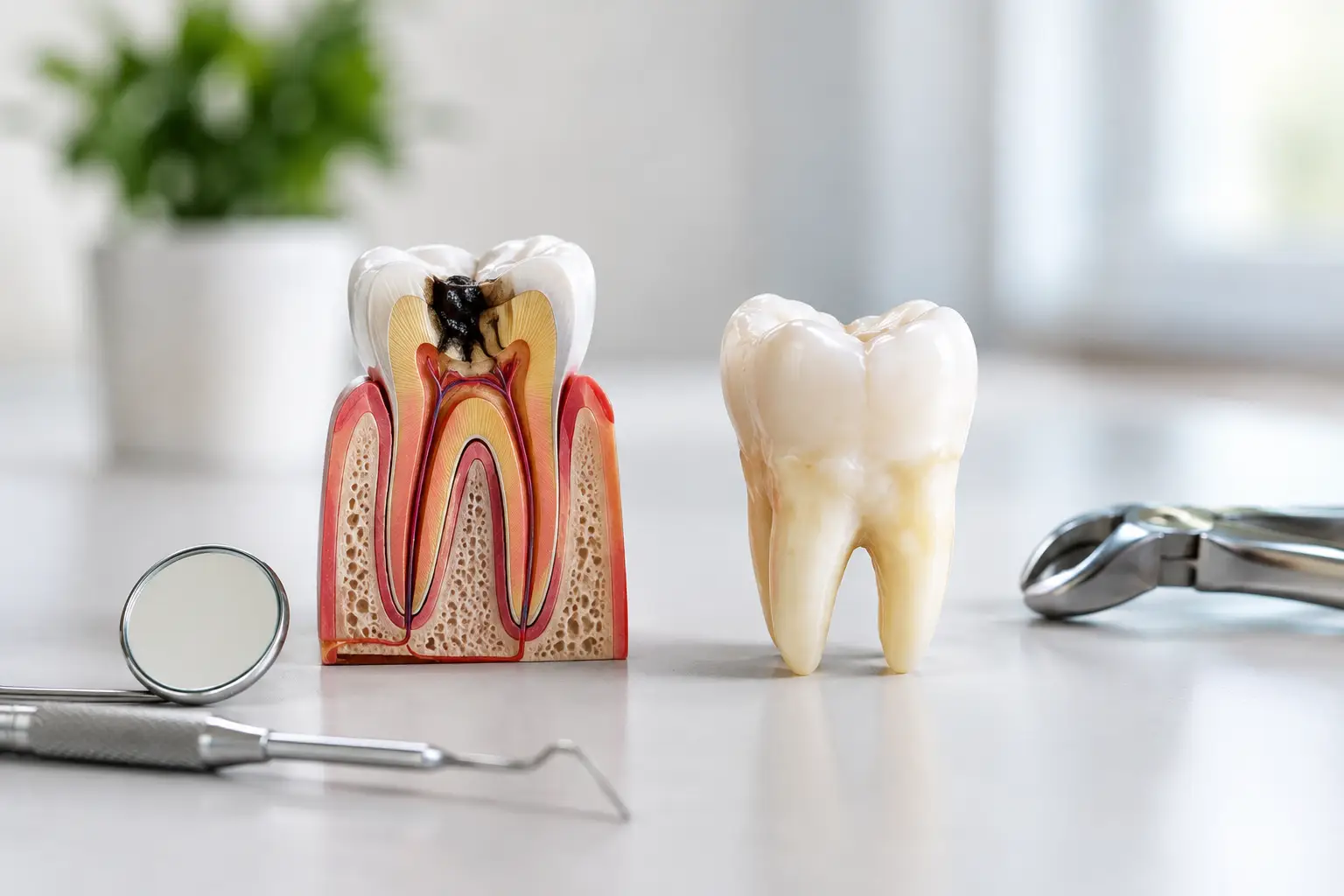
A small cavity can feel like a simple problem, but choosing the right repair is not always one-size-fits-all. Cavity filling options depend on where the decay is, how much tooth structure remains, how strongly the tooth is used when you bite, and what matters most to you, including appearance, durability, timing, and cost.
A filling is designed to do more than cover a hole. After decay is removed, the material restores the tooth’s shape, helps protect the inner tooth from further irritation, and allows you to bite and chew comfortably. The earlier a cavity is treated, the more likely it can be managed with a conservative filling rather than a larger restoration.
What happens during a dental filling?
Your dentist begins by examining the tooth and, when needed, taking X-rays to see whether decay has spread between teeth or deeper into the tooth. The area is numbed for comfort, then the decayed portion is carefully removed. The tooth is cleaned, shaped to support the restoration, and filled with a material selected for that specific situation.
Most routine fillings can be completed in one appointment. You may notice temporary numbness afterward, and the tooth can be mildly sensitive to pressure, cold, or heat for a short time. Persistent pain, a bite that feels uneven, or sensitivity that worsens should be checked promptly.
Cavity Filling Options: Materials and Trade-Offs
Several filling materials may be appropriate. Your dentist can explain which options suit your tooth and why, rather than recommending the same material for every cavity.
Composite resin: tooth-coloured and versatile
Composite resin is a popular tooth-coloured filling material. It can be matched closely to the shade of your natural teeth, making it especially useful for visible front teeth and many back teeth. The material bonds directly to the tooth, which can allow the dentist to preserve more healthy structure in some cases.
Composite is placed in layers and hardened with a curing light. It is a practical choice for many patients who want a natural-looking result. However, it takes careful moisture control during placement and may wear or stain over time, particularly in larger restorations or for people who clench or grind their teeth. Its longevity depends on the size and location of the filling, oral hygiene, diet, and bite forces.
Amalgam: durable for high-pressure areas
Dental amalgam has been used for many years, particularly in molars that handle substantial chewing pressure. It is strong, cost-effective, and can perform well in areas that are difficult to keep completely dry during treatment.
Its main drawback is appearance. Amalgam is silver-coloured and does not blend in with natural enamel. It also does not bond to the tooth in the same way composite does, so the preparation may sometimes require removal of more healthy tooth structure. Amalgam remains an option in some clinical circumstances, but availability and suitability can vary. Your dentist can discuss the current choices available at your appointment and answer questions about the material.
Glass ionomer: helpful in specific situations
Glass ionomer is another filling material that may be used when the cavity is near the gumline, in baby teeth, or as a temporary or protective restoration. Some glass ionomer materials release fluoride, which can be helpful for patients at higher risk of recurring decay.
This material is generally not as wear-resistant as composite or amalgam in large, heavy-chewing areas. That does not make it a lesser choice – it means it is selected for situations where its particular properties are useful. For example, a cavity on a root surface may need a different approach than a cavity in the biting surface of a molar.
Ceramic or gold restorations: for larger repairs
When a cavity is too large for a direct filling to provide reliable support, an indirect restoration may be considered. Ceramic restorations, often called inlays or onlays, are custom-made outside the mouth and then bonded to the tooth. They can be tooth-coloured, durable, and well suited to restoring a larger portion of a damaged tooth.
Gold inlays and onlays are less common but remain a durable option for some patients. Both ceramic and gold restorations typically require more than one step and may cost more than a standard filling. The benefit is that they can offer stronger, more precise coverage when a simple filling is unlikely to last.
How your dentist chooses the right option
The best material is not automatically the most cosmetic or the most durable in every case. It is the one that gives the tooth the best chance of functioning comfortably over time.
The location of the cavity matters. A small cavity on a front tooth may be well suited to composite because appearance is a priority. A restoration on a back molar needs to withstand years of chewing. Decay near the gumline can be harder to isolate from moisture and may call for a material with different handling qualities.
The amount of remaining healthy tooth also changes the plan. If decay, an old filling, or a crack has weakened much of the tooth, placing a very large filling may not be the most predictable long-term solution. An onlay or crown may offer better protection against fracture. If decay has reached the nerve and caused significant inflammation or infection, root canal treatment followed by a protective restoration may be needed instead.
Your bite is another important factor. Patients who grind their teeth, clench at night, or have an uneven bite can place extra stress on fillings. A night guard may be recommended to help protect both natural teeth and restorations.
When an old filling needs attention
A filling does not last forever, but replacement should be based on its condition, not just its age. During regular examinations, your dentist checks for cracks, open edges, wear, staining that may indicate leakage, and new decay around the restoration.
Book an assessment if you notice a sharp edge, a piece of filling has come out, food repeatedly catches in one area, or you feel pain when biting. Sensitivity can also signal a problem, although it may have other causes. Avoid chewing hard foods on a damaged tooth until it can be examined, especially if a large piece has broken away.
Keeping your filling and tooth healthy
A filling repairs existing damage, but it cannot stop new decay from developing around it or elsewhere in the mouth. Brush twice daily with fluoride toothpaste, clean between teeth every day, and attend regular checkups and hygiene appointments based on your individual needs.
Frequent sipping on sweetened drinks, regular snacking on sugary foods, dry mouth, and inconsistent cleaning can all raise cavity risk. Small changes, such as drinking water between meals and limiting how often teeth are exposed to sugar, can make a meaningful difference. For children, adults, and older adults alike, prevention remains the most comfortable and affordable form of dental care.
If you have tooth sensitivity, a lost filling, or a toothache, arranging an appointment sooner can often keep treatment simpler. At DentiFlow Dentistry, patients in Thornhill and nearby communities can receive an assessment, practical guidance on their filling choices, and care that fits into ongoing preventive dental visits. A timely examination gives you the clearest next step and helps protect the tooth before a minor cavity becomes a bigger interruption to daily life.