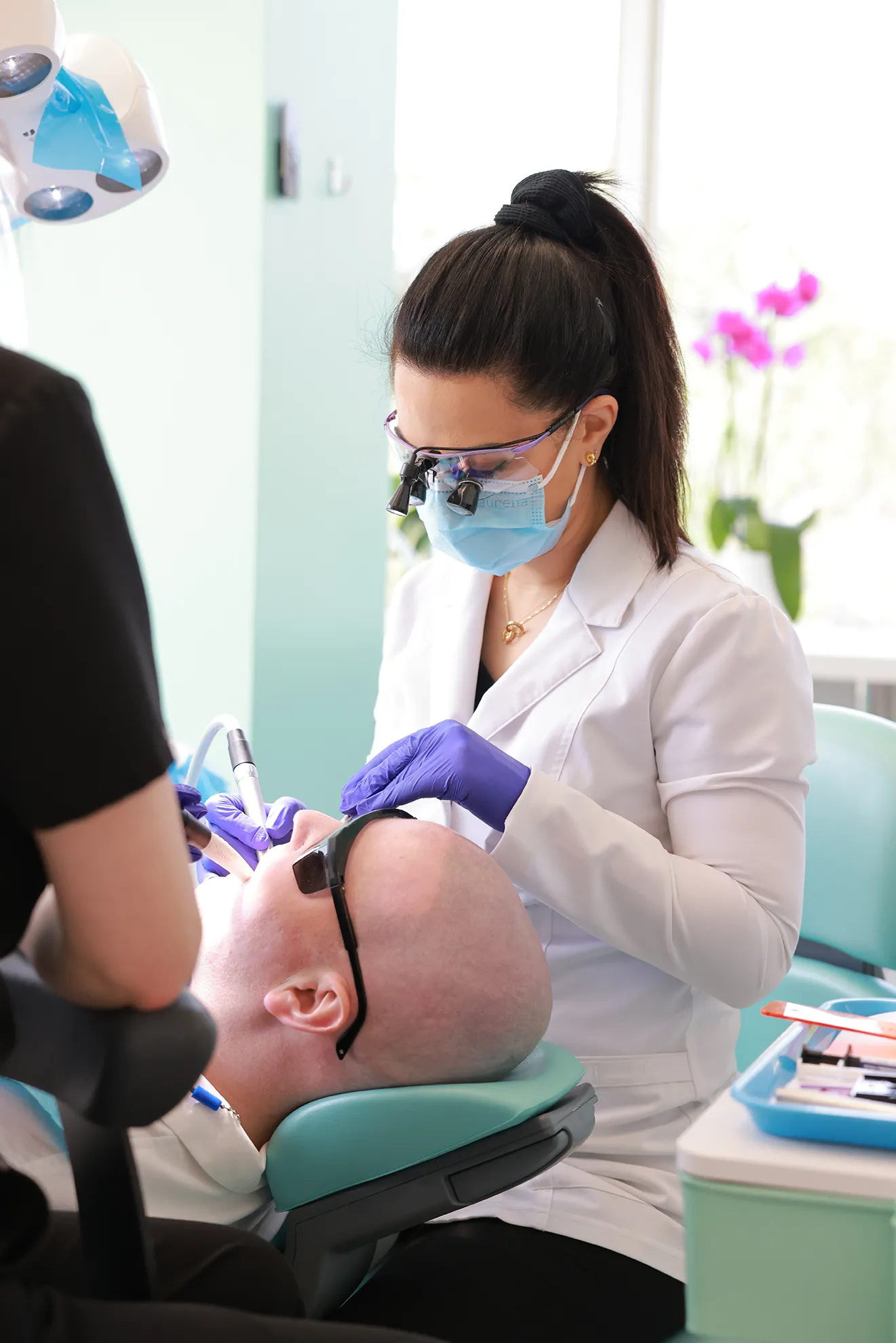

A first tooth can appear before a child says their first full sentence, which is why a children’s first dental visit often comes sooner than many parents expect. This early appointment is usually simple, gentle, and focused on prevention. It gives your child a chance to become comfortable in a dental setting while giving you practical guidance for caring for a growing smile.
For families in Thornhill and nearby communities, the goal is not to wait for a cavity, toothache, or visible concern. Starting early helps create a familiar routine and gives the dental team an opportunity to spot small issues before they become harder to manage.
When should a child have their first dental visit?
A good rule is to book a dental visit by your child’s first birthday, or within six months of the first tooth coming in. Even if only one or two teeth are visible, those teeth can be affected by decay, injury, or feeding habits that deserve early attention.
There are exceptions, of course. A child who has fallen and injured a tooth, has swelling, persistent pain, dark spots on a tooth, bleeding gums, or difficulty eating should be assessed sooner. Parents should also arrange an earlier visit if a baby tooth erupts with an unusual shape or colour, or if they have concerns about how the teeth or jaw are developing.
The first visit is not about expecting a toddler to sit perfectly still through a long procedure. It is about building familiarity, answering questions, and checking that development is progressing as expected.
What happens at a children’s first dental visit?
The pace is tailored to the child. Some babies are most comfortable sitting on a parent’s lap, while an older toddler may be ready to sit in the dental chair, watch it move, and choose a favourite cartoon or conversation topic. A calm, patient approach matters more than completing every possible step on the first day.
The dentist will look at your child’s teeth, gums, tongue, bite, and the way their jaws are developing. They may check for early signs of decay, enamel concerns, crowding, oral habits, or changes related to thumb or finger sucking. The appointment may also include a gentle cleaning if your child is comfortable with it.
X-rays are not automatically needed at every first visit. Whether they are recommended depends on your child’s age, the teeth present, visible concerns, cavity risk, and ability to cooperate safely. If imaging is useful, the dental team will explain why before proceeding.
Questions parents can expect to discuss
Much of an early appointment is a conversation. Your dentist may ask about brushing, fluoride toothpaste, feeding routines, bottles or sippy cups, snacks, medications, and any history of dental problems in the family.
This is also a useful time to talk about habits such as soother use, thumb sucking, teeth grinding, mouth breathing, or difficulty brushing. None of these topics is a reason to feel judged. They help the dental team offer advice that fits your child’s age and your family’s routine.
How to prepare your child without creating worry
Children often take their emotional cues from the adults around them. Keep your explanation short, positive, and matter-of-fact: “The dentist will count your teeth and make sure your smile is healthy.” Avoid promising that nothing will happen or saying that a visit will not hurt. Even well-meant reassurance can make a child wonder whether there is something frightening to expect.
A few practical choices can make the day easier. Choose an appointment time when your child is usually rested and fed, rather than during nap time or near the end of a long day. Bring a comfort item if it helps, such as a small stuffed animal or blanket. Arrive a little early so there is no rush through the door.
If your child has a favourite book about visiting the dentist, reading it beforehand can help make the experience feel familiar. You can also play a simple game at home where you take turns counting teeth with a toothbrush. Keep the play light. There is no need to practise procedures or use detailed clinical language.
What parents should avoid saying
Try not to use words such as “needle,” “drill,” “shot,” or “pain” unless the dental team needs to discuss a specific treatment with you. It is equally helpful to avoid presenting the appointment as a test of bravery. A child does not need to perform. They only need a chance to meet the team, explore a new space, and take one step at a time.
If your child cries or refuses to open their mouth, that does not mean the visit failed. Young children can be cautious in unfamiliar places. The team can adapt, take breaks, and use future appointments to build trust gradually.
Early habits that protect baby teeth
Baby teeth matter. They help children chew, speak clearly, hold space for adult teeth, and smile with confidence. Decay in baby teeth can still cause discomfort, infection, and difficulty eating or sleeping, so daily care starts as soon as the first tooth appears.
Brush twice a day using a soft, age-appropriate toothbrush. For children under three, use a rice-grain-sized smear of fluoride toothpaste. For children aged three to six, use a pea-sized amount and encourage them to spit out the toothpaste rather than swallow it. Young children need an adult to do or closely supervise brushing, often well past the age when they want to take over.
Water is the best everyday drink between meals. Frequent sipping on juice, sweetened drinks, milk, or other sugary beverages can expose teeth to sugar repeatedly, especially when a child carries a cup around for long periods or falls asleep with a bottle. The concern is frequency as much as quantity.
A balanced approach works best. Families do not need perfection to protect a child’s teeth, but regular brushing and predictable eating habits make a real difference. If your child needs medication that contains sugar, has dry mouth, or has had cavities before, ask whether they may benefit from more frequent monitoring or additional preventive care.
Helping a nervous child feel safe at the dentist
Some children walk in curious and chatty. Others cling tightly to a parent or become upset before they reach the chair. Both reactions are normal. The dental team can use simple language, demonstrate tools in a non-threatening way, and move at a pace that respects your child’s comfort.
Parents can help by staying calm and allowing the team to guide the interaction. It may be tempting to negotiate, apologize repeatedly, or offer a large reward for cooperation, but a quiet, encouraging presence is often more effective. Praise specific efforts, such as sitting with a parent, opening wide for a moment, or letting the dentist count teeth.
For a child with sensory sensitivities, developmental differences, or a previous difficult medical experience, let the office know before the appointment. Small adjustments, such as a quieter time of day, a slower introduction to the space, or a planned break, can make care more manageable. It depends on the child, and the best plan is one that meets them where they are.
What comes after the first appointment?
Before you leave, you should understand what was found, what to do at home, and when your child should return. Many children benefit from routine checkups every six months, but the recommended interval can vary based on cavity risk, oral development, and the dentist’s findings.
The relationship built at these early visits can be valuable for years. A child who learns that dental appointments are predictable and supportive is more likely to continue attending preventive care as they grow. That can mean fewer urgent problems and less anxiety if treatment is ever needed.
At DentiFlow Dentistry, families can book a child-friendly first visit and ask the questions that matter to them, from brushing battles to soothers and snack routines. A calm first appointment is not about having a perfect patient. It is simply a positive start to caring for a healthy smile.