A wisdom tooth can remain quiet for years, then suddenly make chewing painful, swell the gum behind your last molar, or create a hard-to-reach area that never feels clean. If you are considering wisdom tooth removal Thornhill, a proper dental assessment can replace uncertainty with a clear plan based on your symptoms, X-rays, and long-term oral health.
Wisdom teeth are the third molars at the very back of the mouth. Some grow in fully and function well. Others have too little room to erupt, come through at an angle, or remain partly covered by gum tissue. Removal is not automatically necessary simply because a wisdom tooth exists. The decision should reflect what is happening now, the risk of future problems, and what is safest for your individual mouth.
When wisdom tooth removal may be recommended
The most familiar reason for extraction is pain, but discomfort is only one part of the picture. A partly erupted wisdom tooth can trap food and bacteria beneath the gum flap around it. This may lead to recurrent inflammation or infection, often called pericoronitis, with soreness, swelling, a bad taste, or difficulty opening the mouth.
Removal may also be advised when a wisdom tooth is pressing against the tooth in front of it, contributing to decay, gum disease, damage to the neighbouring root, or a cyst-like change around the tooth. Even a wisdom tooth that does not hurt can be difficult to brush and floss properly. In that situation, regular monitoring or removal may be discussed depending on the tooth’s position and your risk factors.
Age alone does not decide the answer. Younger patients may sometimes heal more predictably after extraction, but adults can also have wisdom teeth removed safely when there is a sound clinical reason. The right timing depends on your X-ray, medical history, symptoms, and the complexity of the tooth.
Signs that should not wait
Contact a dentist promptly if you have facial swelling, worsening pain, fever, pus, trouble swallowing, difficulty breathing, or significant trouble opening your mouth. These symptoms can indicate an infection that needs timely care. While pain medicine may temporarily reduce discomfort, it does not treat the underlying dental issue.
Your wisdom tooth assessment in Thornhill
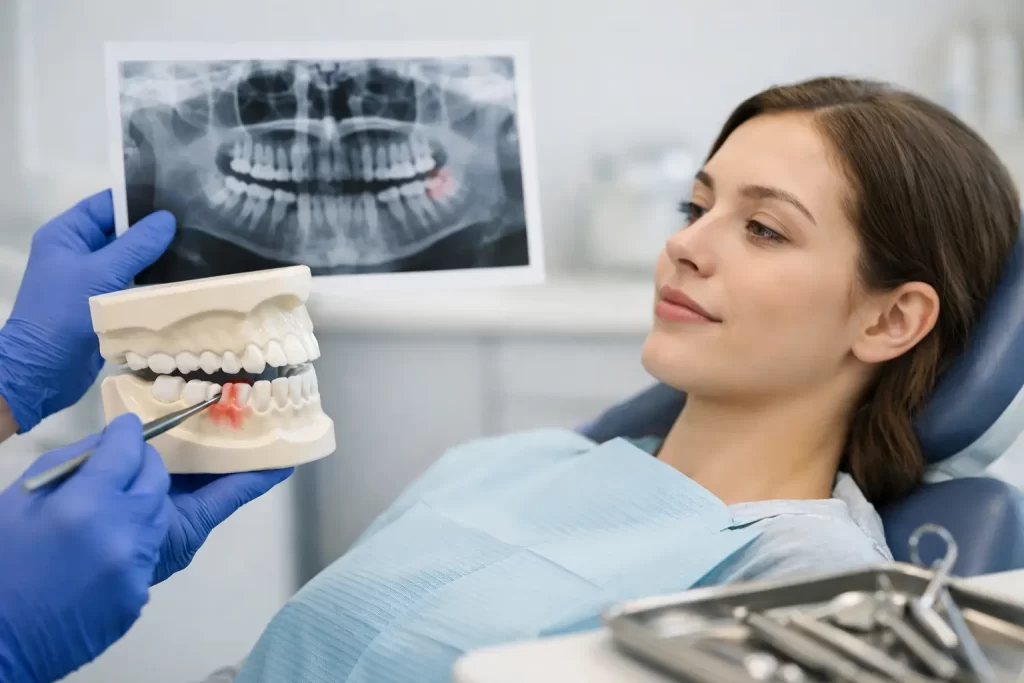
An examination is the starting point for a thoughtful treatment decision. Your dentist will examine the gums, the wisdom tooth area, and the nearby molars. Dental X-rays help show whether the tooth is fully erupted, impacted beneath the gum or bone, close to important structures, or affecting surrounding teeth.
This appointment is also the time to discuss health considerations that can influence treatment. Be sure to mention medications, allergies, pregnancy, bleeding concerns, prior issues with anaesthesia, and conditions such as diabetes or heart disease. Clear information allows your dental team to recommend the appropriate approach and give you preparation instructions that fit your needs.
Some extractions are straightforward because the tooth is fully visible and accessible. Others are more involved, particularly lower wisdom teeth that are impacted or positioned near a nerve. In those cases, your dentist may explain why a surgical approach, additional imaging, or referral is appropriate. That is not a cause for alarm – it is careful planning.
What happens during the extraction?
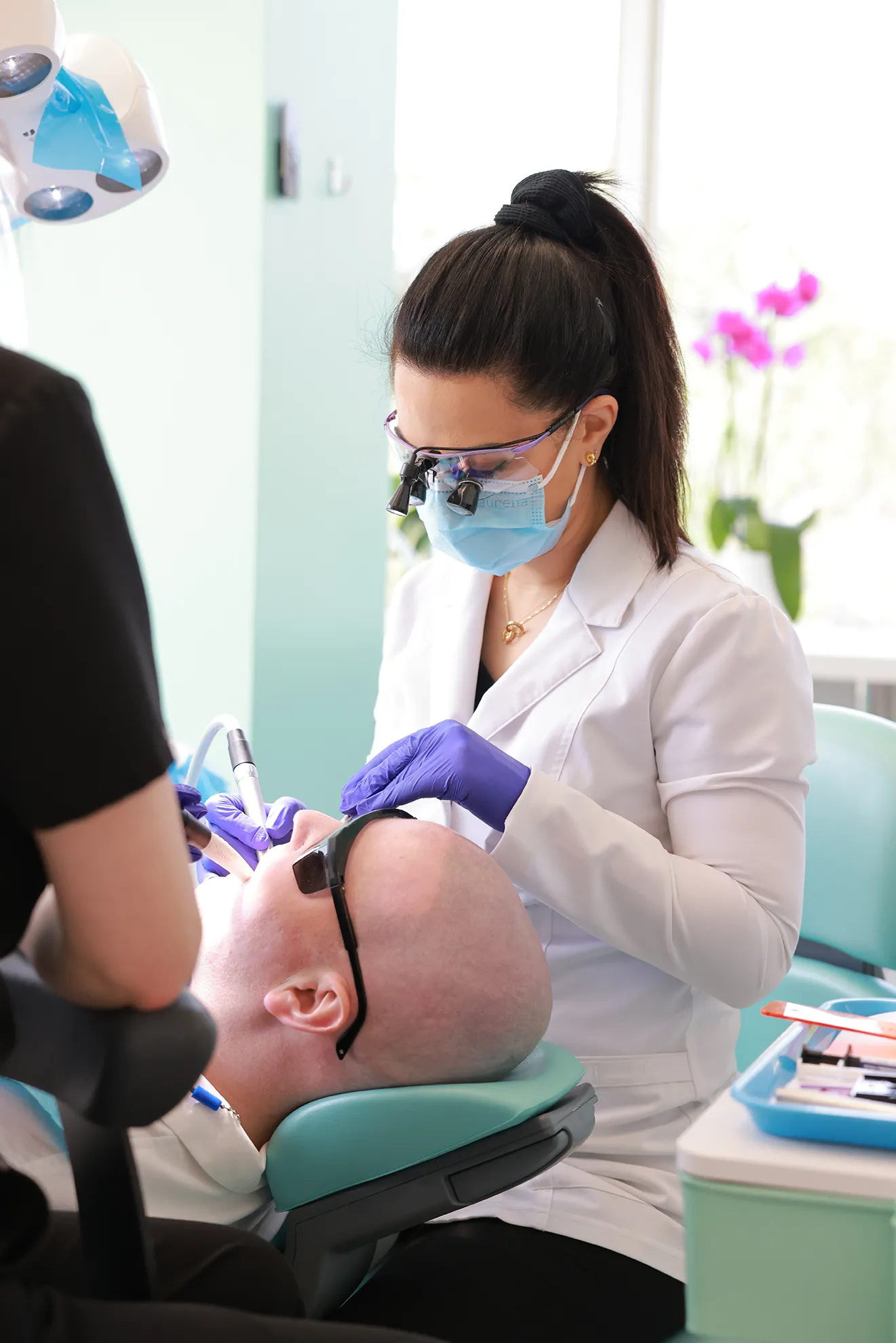
On the day of treatment, the area is numbed with local anaesthetic so you should not feel sharp pain. You may notice pressure, movement, or vibration. If anxiety has kept you from booking, say so before the appointment. Dental anxiety is common, and discussing it early helps the team explain each stage, arrange suitable comfort measures, and make the experience feel more manageable.
For an erupted tooth, extraction may involve gently loosening and removing the tooth. For an impacted tooth, the dentist may need to make a small opening in the gum and remove a small amount of bone or divide the tooth into sections. Stitches may be used when needed. The length of the procedure varies, so it is better not to compare your visit with someone else’s experience.
Before you leave, you should receive clear aftercare directions and advice on pain relief. Arrange a quieter schedule for the rest of the day. If sedation is part of your care plan, you will need an adult to take you home and should not drive or make important decisions until the effects have fully worn off.
Recovery after wisdom tooth removal
Recovery is usually most active in the first few days. Some swelling, tenderness, jaw stiffness, and light oozing are expected. Swelling often reaches its peak around the second or third day before gradually improving. A cool compress on the outside of the face during the first day can help reduce swelling, provided you follow your dentist’s instructions.
A blood clot forms in the socket after a tooth is removed. Protecting that clot is one of the most important parts of healing. For the first 24 hours, avoid vigorous rinsing, spitting forcefully, smoking or vaping, drinking through a straw, and strenuous exercise. These actions can dislodge the clot and increase the risk of dry socket, a painful condition that may require dental treatment.
Choose soft, nourishing foods while the area is tender. Yogurt, eggs, soup that has cooled to a safe temperature, mashed vegetables, smoothies eaten with a spoon, and pasta can be easier to manage. Avoid crunchy foods, seeds, nuts, and sharp foods that can irritate the socket or become lodged in the area. Drink water regularly.
Starting the day after surgery, gentle warm salt-water rinses may be recommended. Continue brushing your other teeth carefully, keeping the brush away from the surgical site at first. Good oral hygiene supports healing, but the area should not be scrubbed.
When to call your dentist during recovery
Healing is not always a straight line, but pain and swelling should gradually improve rather than become more severe. Contact your dental office if bleeding does not settle with firm gauze pressure, pain sharply worsens after a few days, swelling continues to increase, you develop a fever, or you notice a persistent foul taste or discharge.
It is also worth calling if you are unsure whether a symptom is normal. A quick conversation can prevent unnecessary worry and help identify when an examination is needed.
Planning for cost, coverage, and convenience
Before treatment, ask for an estimate based on the number of teeth being removed and the anticipated complexity. A fully erupted tooth and a deeply impacted tooth do not require the same level of care, which is why costs can differ. Your dental office can review available options and help you understand what your insurance may cover.
For eligible patients, the Canadian Dental Care Plan may also be relevant. Coverage and any patient portion depend on eligibility, the treatment provided, and program rules. Bringing your insurance or CDCP information to the appointment helps the office review practical next steps before care begins.
At DentiFlow Dentistry, wisdom tooth concerns can be assessed alongside routine exams, emergency dental needs, and the ongoing care of your neighbouring teeth. This continuity matters because the goal is not only to remove a troublesome tooth, but also to protect your comfort, bite, and oral health afterward.
If a back tooth has started to ache, food keeps collecting behind it, or you have been told you may need an extraction, booking an assessment is a practical first step. You do not have to wait for severe pain to get clear answers and a plan that feels manageable.