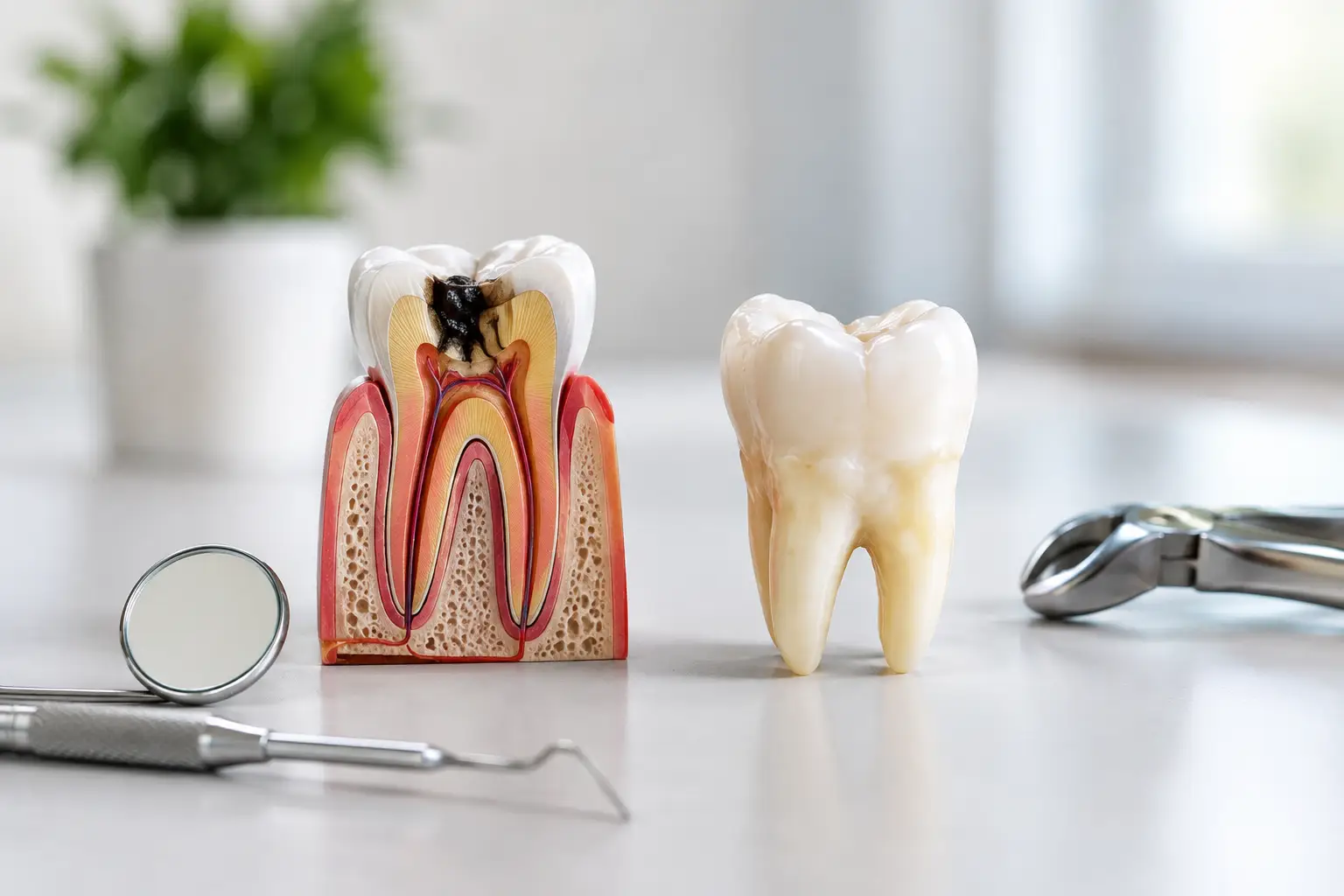

A toothache that wakes you up, lingers after a hot drink, or makes it hard to chew is more than an inconvenience. It can be a sign that the soft tissue inside the tooth is inflamed or infected. Root canal treatment Thornhill patients receive is designed to remove that damaged tissue, relieve the source of pain, and keep the natural tooth in place whenever possible.
For many people, the phrase “root canal” brings anxiety before they even know what treatment involves. In practice, modern root canal therapy is a focused procedure performed with local freezing and careful planning. The goal is not to make treatment feel complicated. It is to address a problem before it becomes more painful, more extensive, and harder to restore.
When a Root Canal May Be Needed
Inside every tooth is a small space containing pulp, which includes nerves and blood vessels. Deep decay, a cracked tooth, a large or failing filling, repeated dental work, or an injury can allow bacteria to reach this area. Once the pulp is badly inflamed or infected, it cannot reliably heal on its own.
Pain is common, but not every tooth that needs treatment hurts all the time. Some people notice sharp sensitivity to heat or cold that continues after the trigger is gone. Others feel pain when biting, see swelling near the tooth, or notice a small bump on the gum. A tooth may also darken after an injury. In some cases, an infection causes little discomfort until it becomes more advanced.
That is why an examination matters. Your dentist will ask about your symptoms, assess the tooth and surrounding gums, and take X-rays when needed. The findings help distinguish between a problem that may be managed with a filling or crown and one that requires root canal therapy.
Do Not Wait for Swelling to Get Worse
A dental infection can spread beyond the tooth and cause facial swelling, fever, or difficulty opening the mouth. If you have swelling, severe pain, a bad taste in your mouth, or a tooth that feels raised when you bite, contact a dental office promptly. Seek urgent medical care for trouble breathing or swallowing, significant facial swelling, or a fever with worsening swelling.
Prompt care can often make a real difference. Treating the tooth early may preserve more healthy structure and reduce the likelihood of an emergency visit.
What Happens During Root Canal Treatment in Thornhill
Root canal treatment is completed in stages that are straightforward from the patient’s perspective. Before starting, your dentist will freeze the area so you can remain comfortable. If you are nervous about dental care, let the team know. Talking through the plan, arranging breaks, and knowing what to expect can make the appointment more manageable.
Once the tooth is numb, the dentist creates a small opening to access the pulp chamber. The inflamed or infected tissue is removed, and the narrow canals inside the roots are cleaned, shaped, and disinfected. A protective rubber sheet is typically used to keep the tooth clean and dry during treatment.
After the canals are prepared, they are sealed with a biocompatible material to help prevent bacteria from re-entering. Depending on the condition of the tooth and the extent of infection, treatment may be completed in one visit or require more than one appointment. A temporary filling may be placed between visits when additional time is needed.
The final restoration is just as important as the root canal itself. A tooth that has had root canal treatment can become more brittle, especially a back tooth that absorbs significant chewing force. Your dentist may recommend a permanent filling, a crown, or another restoration to protect the tooth from fracture. The right choice depends on how much healthy tooth structure remains, where the tooth is located, and how you bite.
What Recovery Usually Feels Like
It is normal for the treated tooth and nearby tissues to feel tender for a few days, particularly when chewing. This tenderness is often related to inflammation around the root rather than the procedure itself. Your dentist may recommend appropriate over-the-counter pain relief, if it is safe for you, and provide instructions based on your health history.
Until the tooth has its final restoration, avoid chewing hard or sticky foods on that side. A temporary filling is not intended to carry the same force as a permanent crown or filling. Keep brushing and flossing as usual, but be gentle around the area if the gums feel sore.
Contact your dentist if pain becomes severe, swelling develops or returns, your bite feels uneven, or a temporary filling comes out. These concerns are usually easier to address when reported early.
Root Canal Treatment vs. Extraction
When a tooth is infected, extraction may seem like the quickest solution. Sometimes it is necessary, particularly if the tooth is too damaged to restore. However, saving a natural tooth is often preferable when the long-term outlook is good.
A natural tooth helps maintain normal chewing, supports the teeth around it, and avoids the shifting that can occur when a gap is left untreated. Replacing an extracted tooth with a bridge, implant, or denture can be an excellent option, but it also involves its own treatment plan, healing considerations, and costs.
Root canal treatment is not automatically the best choice in every situation. A thorough assessment should consider the tooth’s restorability, gum and bone support, crack pattern, overall oral health, and your goals. A dependable recommendation is one that explains both the benefits and the limitations of each option.
How to Protect a Treated Tooth Long Term
A successful root canal addresses the infection inside the tooth, but the tooth still needs ongoing care. Attend regular examinations and hygiene visits so your dentist can monitor the restoration, gums, and surrounding teeth. Daily brushing with fluoride toothpaste and cleaning between the teeth helps prevent new decay around the edges of fillings and crowns.
If you clench or grind your teeth, a night guard may be recommended to reduce excessive pressure. If the tooth has a crown, avoid using it to open packages or bite hard objects. These small habits can help the restoration last longer and reduce the risk of a crack.
Making Treatment More Accessible
Dental pain does not always arrive at a convenient time. For Thornhill families and working adults, having a local clinic that provides preventive care, urgent assessments, restorative treatment, and follow-up in one place can reduce the stress of managing a dental problem.
At DentiFlow Dentistry, patients can discuss symptoms, treatment options, scheduling needs, and restoration planning with a team focused on clear, practical care. Direct insurance billing and participation in the Canadian Dental Care Plan may also help eligible patients better understand the financial side of treatment. Coverage varies, so it is always wise to confirm your individual plan details before treatment begins.
If a tooth is keeping you from sleeping, eating comfortably, or concentrating through the day, arranging an assessment is a practical next step. Getting answers early can turn a worrying dental problem into a clear plan for relief and repair.