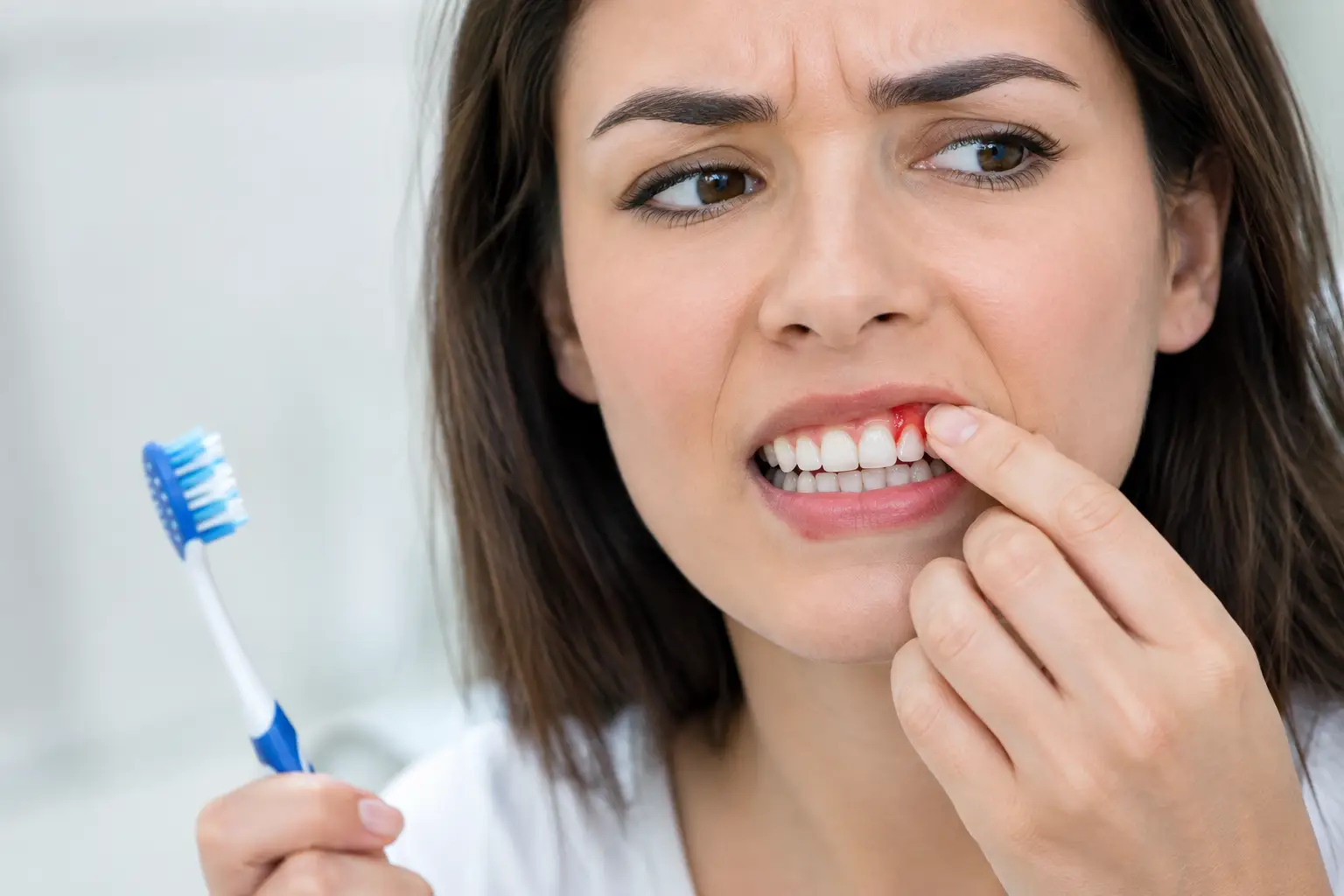
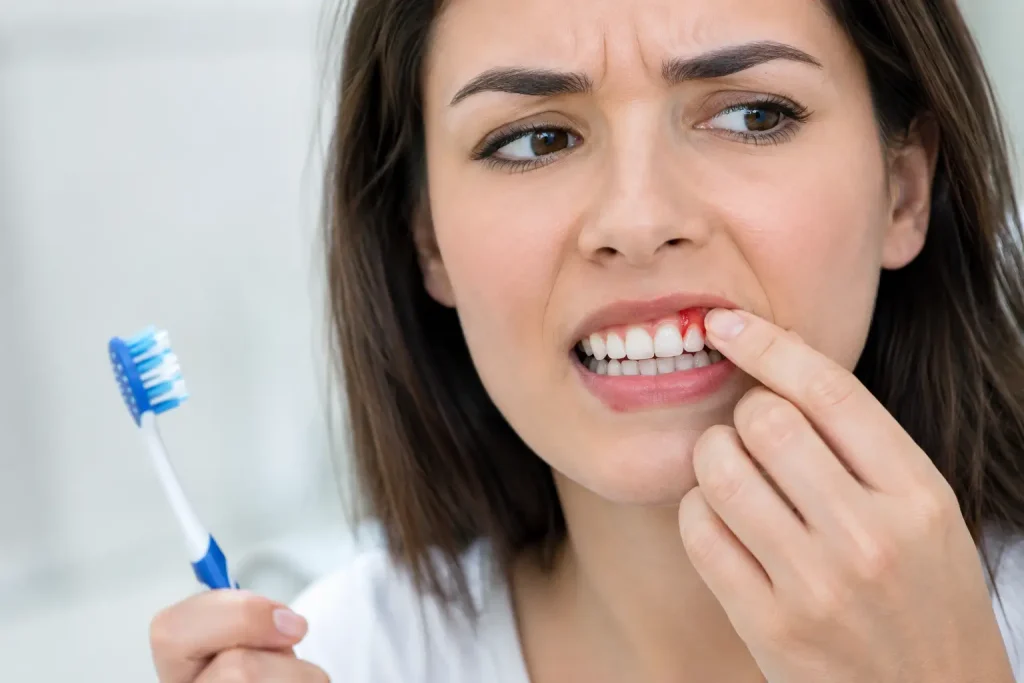
Seeing pink in the sink after brushing can be unsettling, especially when your mouth does not feel sore. The most common answer to why gums bleed is gum inflammation caused by plaque at the gumline. It is common, treatable, and worth addressing early. Healthy gums generally should not bleed during regular brushing or flossing.
A little bleeding is not a reason to panic, but it is also not something to ignore. Your gums are living tissue with a rich blood supply. When plaque, irritation, or a health concern affects them, bleeding may be one of the first signs. A dental examination and professional cleaning can identify the cause and help prevent a small problem from becoming a more involved one.
Why gums bleed: the most common cause
Plaque is a soft, sticky film of bacteria that forms on teeth throughout the day. If it is not removed thoroughly with brushing and cleaning between the teeth, it can collect where the teeth meet the gums. The bacteria irritate the gum tissue, causing redness, tenderness, swelling, and bleeding. This early stage of gum disease is called gingivitis.
Gingivitis can develop without severe pain, which is why many people do not realize they need care. You may notice that your gums bleed while flossing, look darker or puffier than usual, or that your breath seems less fresh despite brushing. At this stage, gum inflammation can usually be improved with a professional hygiene appointment and consistent home care.
If plaque hardens into tartar, it cannot be removed by a toothbrush or floss alone. Tartar gives more plaque a rough surface to cling to and can allow inflammation to continue below the gumline. Without treatment, gingivitis may progress to periodontitis, a more serious form of gum disease that can damage the bone and tissues supporting the teeth.
Other reasons your gums may bleed
Plaque-related inflammation is the leading cause, but it is not the only explanation. The pattern, timing, and accompanying symptoms all matter.
Brushing or flossing too aggressively
A hard-bristled brush, firm scrubbing, or snapping floss down between teeth can irritate the gums. This is more likely if bleeding begins after changing your toothbrush or technique. Gentle care works better: use a soft-bristled toothbrush, angle it toward the gumline, and use small circular motions rather than scrubbing back and forth.
It is also common for gums to bleed when someone starts flossing again after a long break. The initial bleeding usually reflects existing inflammation, not damage caused by floss itself. Continue cleaning gently each day. If bleeding does not begin to improve after about one to two weeks, schedule a dental visit.
A new dental appliance or poorly fitting restoration
Braces, retainers, dentures, or night guards can make cleaning more difficult or rub against the gums if they do not fit properly. A rough filling edge, a damaged crown, or food trapped around a restoration may also create localized irritation. Bleeding around one tooth or one specific area deserves attention, particularly if it comes with pain, swelling, or a bad taste.
Pregnancy and hormonal changes
Hormonal changes can make gums more reactive to plaque. Some people experience pregnancy gingivitis, with swelling and bleeding that can appear even when their brushing routine has not changed. Puberty, menstruation, and menopause may also influence gum sensitivity. Good daily cleaning and regular professional care are especially valuable during these periods.
Medicines and medical conditions
Some medications can increase bleeding or affect gum tissue. Blood thinners are one example, but patients should never stop or change prescribed medication without speaking to their physician. Dry mouth caused by certain medications can also raise the risk of plaque buildup and decay.
Less commonly, frequent gum bleeding can be associated with nutritional deficiencies, blood disorders, diabetes that is not well controlled, or immune-system concerns. This does not mean bleeding gums automatically point to a serious medical issue. It does mean persistent or unexplained bleeding should be assessed by a dentist, and sometimes by a family physician as well.
Smoking and vaping
Tobacco use is strongly linked with gum disease. Smoking can sometimes mask bleeding by reducing blood flow, so gums may appear less likely to bleed even while disease progresses. Vaping may also irritate oral tissues and contribute to dry mouth. Regular examinations are particularly important for anyone who uses tobacco or nicotine products.
What to do when your gums bleed
Do not stop brushing or flossing because you see blood. Avoiding the area allows plaque to remain, which can make inflammation worse. Instead, focus on a gentle, consistent routine.
Brush twice a day for two minutes with a soft toothbrush and fluoride toothpaste. Clean between your teeth daily with floss, interdental brushes, or another method recommended for your mouth. If flossing is difficult because teeth are crowded, bridges are present, or hand mobility is limited, a dental team can suggest a practical option that you are more likely to use every day.
Pay attention to technique. Brush along the gumline without pressing hard, and guide floss around the side of each tooth in a C shape rather than forcing it straight down and out. Replacing a worn toothbrush or electric brush head every three months, or sooner when bristles fray, can also make cleaning more effective and comfortable.
An antiseptic mouth rinse may be recommended in certain situations, but it should not replace brushing, cleaning between teeth, or professional treatment. The right rinse depends on the cause of the bleeding, and some products are intended for short-term use only.
When bleeding gums need prompt dental care
Book an appointment if bleeding continues for more than one to two weeks despite gentle daily cleaning, or if it returns regularly. A dentist or hygienist can check for tartar, gum pockets, decay, ill-fitting dental work, and other issues that are difficult to assess at home.
Seek more urgent care if bleeding is heavy, does not stop, follows an injury, or occurs with facial swelling, fever, severe tooth pain, pus, or a loose tooth. These symptoms can indicate infection or trauma that should not wait. If bleeding is accompanied by unexplained bruising, bleeding elsewhere in the body, or feeling unwell, contact your physician or seek urgent medical advice.
For children, bleeding gums often come from plaque buildup around erupting teeth, braces, or inconsistent brushing. It is still worth checking, especially when a child has pain, swelling, trouble eating, or bleeding that continues. Parents can help by supervising brushing until children have the coordination to clean thoroughly on their own.
How a dental visit can help
A gum assessment is more than a quick look at the teeth. Your dental team may measure the space between the gums and teeth, look for tartar, assess gum recession, and take X-rays if needed to check the supporting bone. This helps distinguish simple gingivitis from periodontal disease and identifies problems that may be affecting one area.
Treatment depends on what is found. Many patients benefit from a professional cleaning and clearer guidance on home care. More advanced gum disease may require deeper cleaning below the gumline and ongoing periodontal maintenance. If a crown, filling, denture, or appliance is contributing to irritation, adjustment or replacement may be discussed.
At DentiFlow Dentistry, patients can receive preventive hygiene care, restorative treatment, and support for urgent dental concerns in one local setting. For families in Thornhill and nearby communities, addressing bleeding gums early can often make care simpler, more comfortable, and easier to manage.
A small sign that deserves attention
Bleeding gums are often your mouth’s way of asking for better plaque control or professional care, not a reason for embarrassment. Gentle daily cleaning and timely checkups can give inflamed gums the chance to heal. If you are seeing blood in the sink more than once in a while, arranging an appointment is a practical next step toward protecting your teeth and gums.