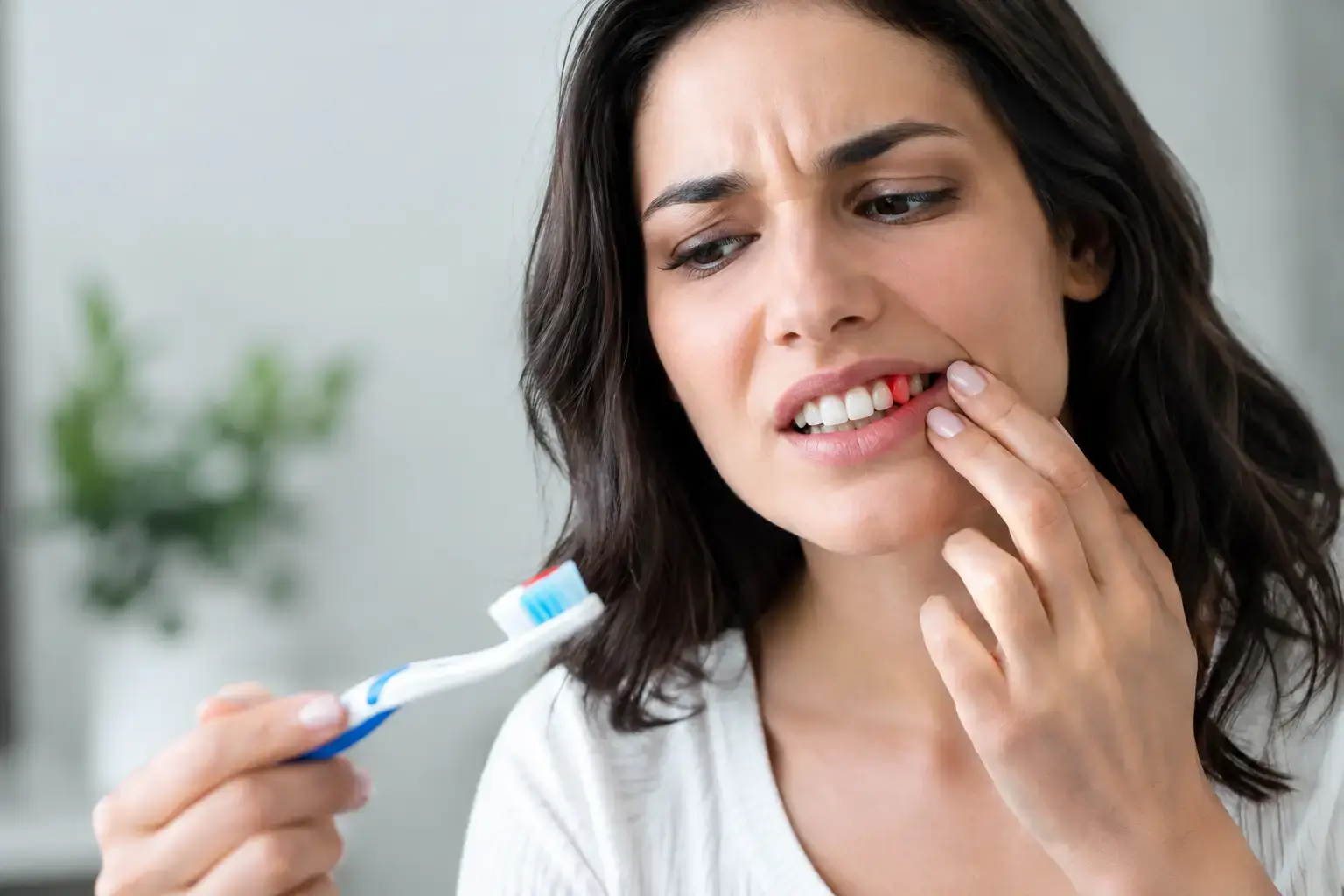

A filling is meant to restore a damaged tooth and help you chew, speak, and smile comfortably. But fillings do not last forever. Knowing the top signs of failing fillings can help you arrange care before a small repair becomes a painful problem, a broken tooth, or a more involved treatment.
A failing filling is not always an emergency, and it does not always hurt right away. Sometimes the first change is subtle: food begins catching in one spot, a cold drink causes a quick jolt, or a tooth feels different when you bite. Those details are worth paying attention to.
Why dental fillings can fail over time
Fillings are exposed to constant pressure from chewing, temperature changes from food and drinks, and the natural bacteria in your mouth. Even a well-placed filling can eventually wear down, chip, loosen, or develop a gap around its edge.
The lifespan of a filling depends on several factors, including its material, size, location, your bite, oral hygiene habits, and whether you grind or clench your teeth. A small filling in a low-pressure area may last for years, while a large filling on a back tooth that handles most of your chewing may need attention sooner.
Decay can also form around the edge of an older filling. This is sometimes called recurrent decay. It is not necessarily visible to you, which is one reason routine examinations and X-rays remain useful even when your teeth feel fine.
Top signs of failing fillings to watch for
New sensitivity to cold, heat, or sweets
A brief sensitivity after a new filling can be normal, but sensitivity that appears months or years later deserves an assessment. You may notice a sharp response to ice water, hot coffee, sweet foods, or cold air.
This can happen when the seal between the filling and tooth changes, exposing sensitive areas underneath. It can also mean the tooth has developed new decay or a crack. The length of the discomfort matters. A quick sensation that stops may point to a minor issue, while pain that lingers after a hot or cold drink can indicate deeper irritation inside the tooth.
Pain when biting or chewing
A tooth that hurts when you bite down, especially on firmer foods, should not be ignored. The pain may feel like pressure, a quick sharp pinch, or an ache that happens only when you release your bite.
This symptom can be caused by a loose or fractured filling, a crack in the tooth, or decay beneath the restoration. It can also occur if your bite has changed and one tooth is taking more force than it should. A dentist can examine the area and determine whether the filling needs adjustment, replacement, or whether the tooth needs more protection.
A rough, sharp, or missing area
Your tongue is often the first thing to notice a chipped filling. A previously smooth surface may suddenly feel rough, sharp, uneven, or hollow. You may also see a dark spot, a small gap, or a piece of filling that appears to be missing.
Do not try to smooth the area yourself. A sharp edge can irritate your tongue or cheek, while an open area can trap food and bacteria. Until you can be seen, chew on the other side when possible and keep the area clean with gentle brushing and flossing.
Food repeatedly gets stuck around one tooth
If food begins lodging between teeth where it never used to, the contour of a filling may have changed. A filling can wear down or chip near the contact point between two teeth, leaving a space where food packs in.
This may seem like a minor inconvenience, but regular food trapping can inflame the gums and raise the risk of decay between the teeth. Flossing should not shred, snag repeatedly, or require force in one particular area. If it does, book a dental visit rather than simply avoiding that spot.
Visible cracks, staining, or a dark line around the filling
Not every stained filling needs replacement. Some materials naturally discolour over time, and surface staining may be cosmetic rather than urgent. Still, a dark line around the edge of a filling, especially when paired with sensitivity or roughness, can signal a gap or decay beneath the restoration.
Cracks are another concern. A crack in the filling may be visible as a line, but tooth cracks are often too fine to see at home. If you notice a change in appearance, have it assessed before chewing pressure allows the crack to extend.
A filling feels loose or has fallen out
A loose filling may feel as though it moves when you chew or when you run your tongue over it. If it falls out completely, the tooth can become sensitive and more vulnerable to breakage and decay.
Keep the area clean, avoid chewing on that side, and arrange an appointment promptly. If you still have the filling, bring it with you if convenient, but do not attempt to glue it back into place. Household adhesives are not safe for dental use.
Persistent bad taste or an unpleasant smell from one area
Bad breath has many possible causes, but a recurring unpleasant taste or odour from one tooth can be associated with trapped food, leaking around a restoration, or decay. You may notice it when flossing around the tooth or after chewing.
Because the source is not always obvious, a dental examination is the best way to identify what is happening. Treating the cause is more effective than masking the symptom with mouthwash.
When a failing filling needs urgent care
Contact a dental office as soon as possible if you have severe or worsening tooth pain, facial swelling, fever, swelling around the gums, or a broken tooth with a sharp edge. These symptoms can suggest infection, significant tooth damage, or inflammation that needs timely treatment.
A lost filling without severe pain is usually not a hospital emergency, but it should still be addressed soon. Waiting too long can allow bacteria into the tooth and may turn a simple replacement into a larger restoration, root canal treatment, or crown.
If pain is keeping you awake, swelling is spreading, or you have trouble swallowing or breathing, seek urgent medical attention immediately.
What happens at a filling assessment
A dentist will examine the tooth, check your bite, and look for visible gaps, cracks, or wear. X-rays may be recommended to check for decay around or below the filling and to assess the health of the tooth root.
Treatment depends on what the examination shows. A small defect may only require a new filling. If a large portion of the tooth is weakened, a crown may be the better option because it covers and protects more of the remaining tooth structure. When decay or a crack has reached the nerve, root canal therapy may be needed before restoring the tooth.
The goal is not to replace fillings unnecessarily. It is to address damaged restorations before they compromise a healthy tooth.
Help your fillings last longer
Daily brushing with fluoride toothpaste and cleaning between your teeth help reduce the risk of decay around fillings. Regular hygiene appointments and examinations also make it easier to spot wear before it causes symptoms.
If you clench or grind your teeth, especially at night, ask whether a custom night guard could help protect your fillings and natural teeth. Avoid using your teeth to open packages, bite hard objects, or chew ice, as these habits can chip both fillings and enamel.
A dental concern is easier to manage when it is treated early. If a filling feels different, hurts, or no longer looks intact, DentiFlow Dentistry can assess the tooth and help you choose a practical next step toward a comfortable, healthy smile.