A loose, cracked, or worn dental bridge can make ordinary things feel difficult. You may notice food catching around it, sensitivity in the supporting teeth, changes in your bite, or worry that the bridge will come loose while eating or speaking. Dental bridge replacement options depend on why the existing bridge is failing, the health of the teeth underneath, and what will give you reliable function for the years ahead.
A bridge does not always need to be replaced at the first sign of trouble. Sometimes a minor repair or recementing is possible. However, if decay, damage, gum disease, or a change in the supporting teeth is involved, a full assessment helps prevent a small concern from becoming a more complex one.
When does a dental bridge need replacement?
Dental bridges are designed to restore missing teeth, but they are still exposed to daily chewing forces, temperature changes, and normal wear. With attentive home care and regular dental visits, many bridges last for years. Their lifespan varies based on the bridge material, the strength of the supporting teeth, bite habits, and gum health.
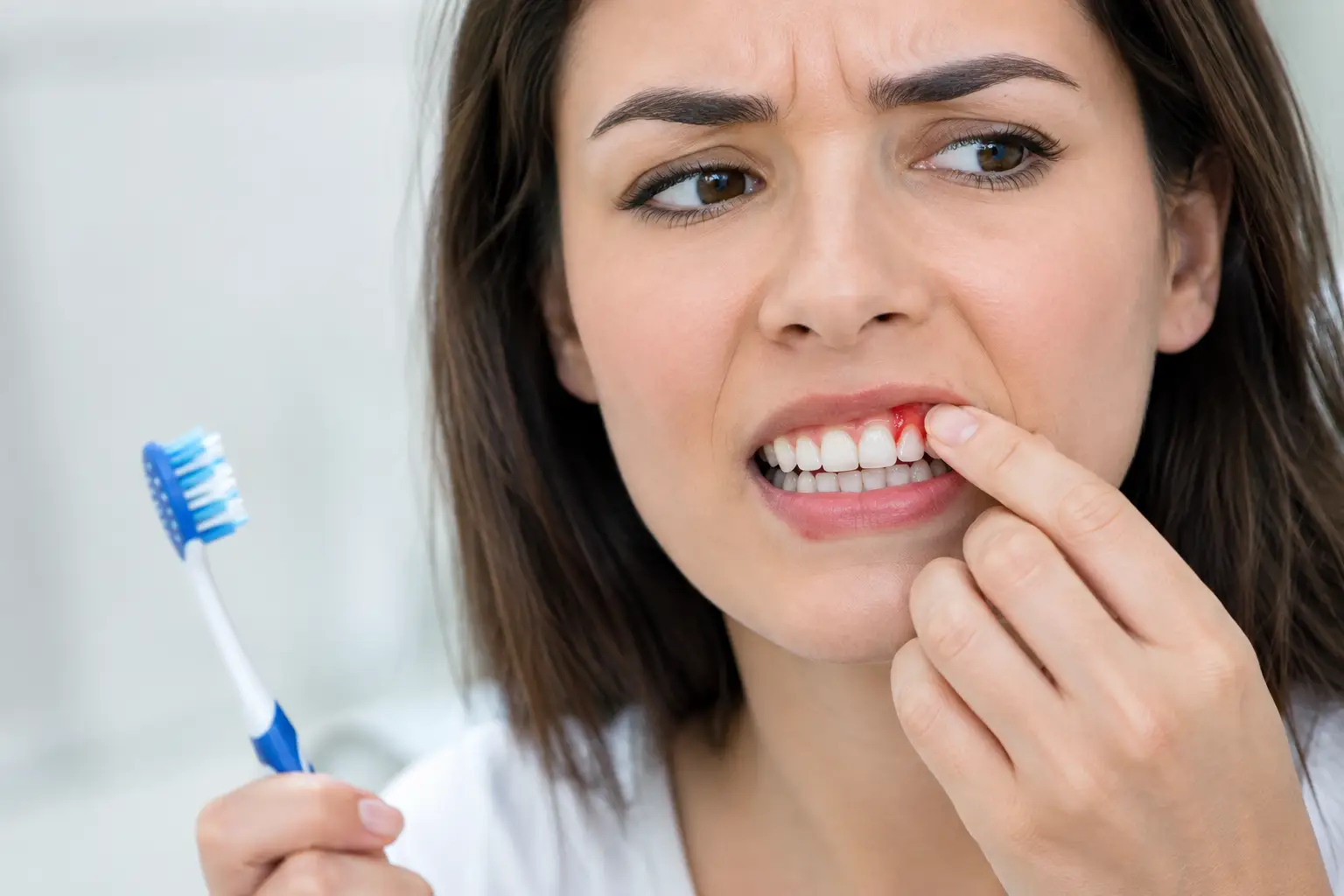
Replacement may be recommended if the bridge feels loose, has a visible crack or chip, or no longer fits comfortably. Persistent sensitivity, discomfort while biting, bad taste or odour around the bridge, bleeding gums, and food trapping can also point to a problem underneath or around the restoration.
Decay at the edge of a bridge is a common reason for replacement. A bridge covers prepared teeth, but bacteria can still collect where the restoration meets the natural tooth. If decay has affected a supporting tooth, the dentist needs to determine whether that tooth can be restored safely. In some cases, it may need a crown, root canal treatment, or a different tooth replacement approach.
A new fixed bridge
For many patients, replacing an existing bridge with a new fixed bridge is the most direct option. This may be appropriate when the supporting teeth are healthy enough to continue carrying the restoration and the gum and bone support are stable.
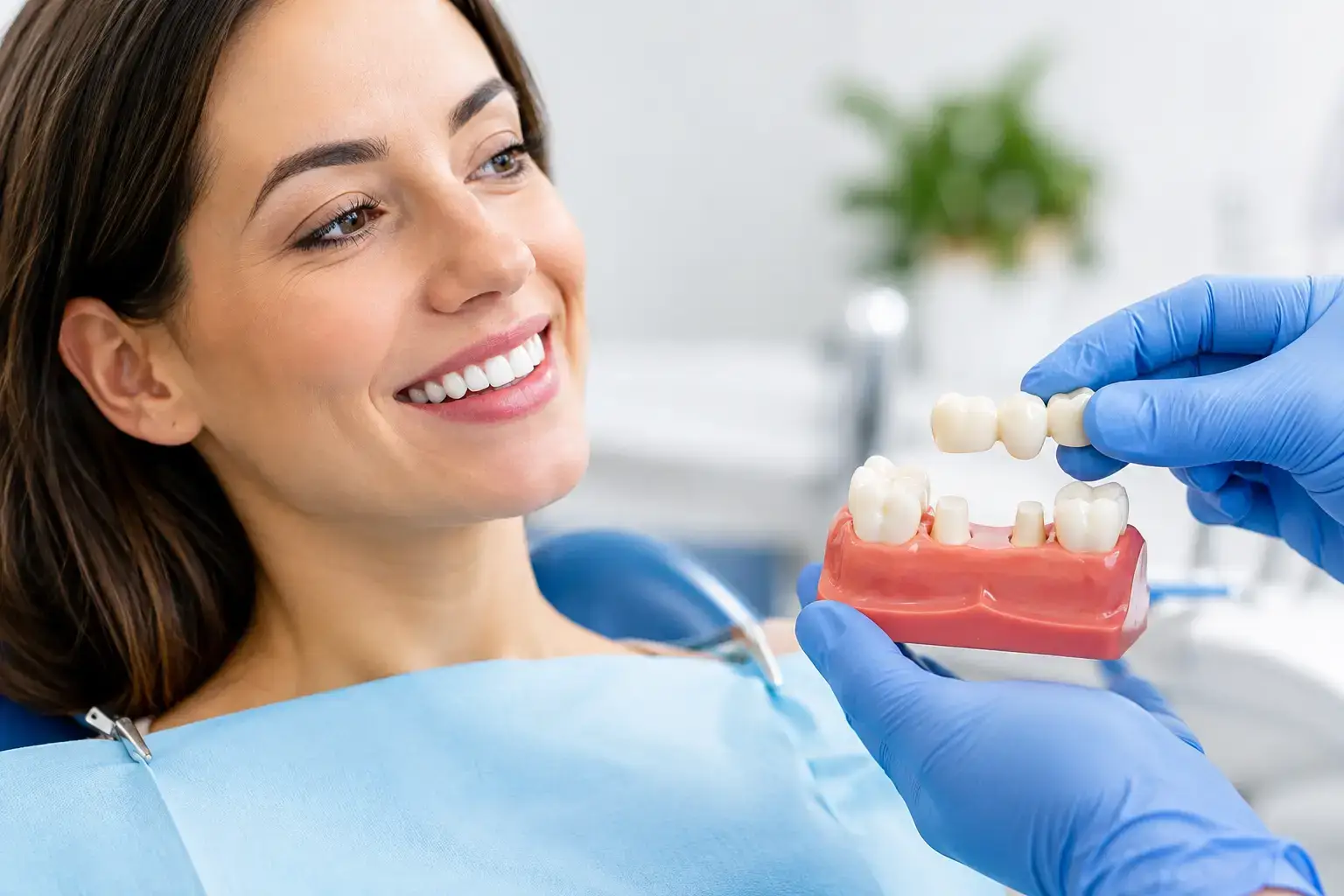
A conventional bridge typically uses crowns on the teeth beside a gap to support one or more replacement teeth between them. Modern materials can provide strength and a natural-looking shade, especially when the bridge is carefully planned around your bite and smile. A new bridge may also improve comfort if the old one has become worn, bulky, discoloured, or poorly fitting.
This option can be especially practical when the neighbouring teeth already have crowns or large fillings. Those teeth may benefit from protection regardless, so using them to support a bridge can make clinical sense. It is usually completed over a shorter timeline than implant treatment.
The trade-off is that the bridge and its supporting teeth remain connected. If one supporting tooth develops a significant problem later, the entire bridge may be affected. Cleaning also requires a little more attention than brushing alone. Your dental team can show you how to use floss threaders, interdental brushes, or other tools to clean beneath the replacement tooth.
When a new bridge may not be the right choice
A replacement bridge may be less suitable if the supporting teeth are weakened by extensive decay, fractures, advanced gum disease, or repeated treatment. It may also be less predictable when a long span of missing teeth creates too much pressure on the supporting teeth. In these situations, an implant-supported solution or removable appliance may offer a better long-term plan.
Dental implant replacement options
A dental implant replaces the root portion of a missing tooth with a small titanium post placed in the jawbone. After healing, it supports a crown, bridge, or denture. For a person replacing one missing tooth, an implant and crown can often restore the space without preparing the adjacent natural teeth.
When several teeth are missing, implants may support a bridge. Rather than relying on neighbouring teeth, the bridge is supported by implants placed in planned positions. This can provide a stable, fixed feel and may help preserve bone in the area of the missing teeth.
Implant treatment is not automatically the best choice for every patient. Healthy gums, sufficient bone, overall health, and a commitment to regular hygiene care all matter. Some patients need bone grafting or gum treatment before implant placement. The process also takes longer than replacing a traditional bridge because healing time is needed between stages.
For patients who are good candidates, the benefits can be meaningful: implants do not require crowns on healthy adjacent teeth, and they can provide excellent stability. They still need daily cleaning and professional maintenance, however. An implant is not protected from inflammation simply because it cannot get a cavity. Gum and bone health around the implant remain essential.
Removable partial dentures
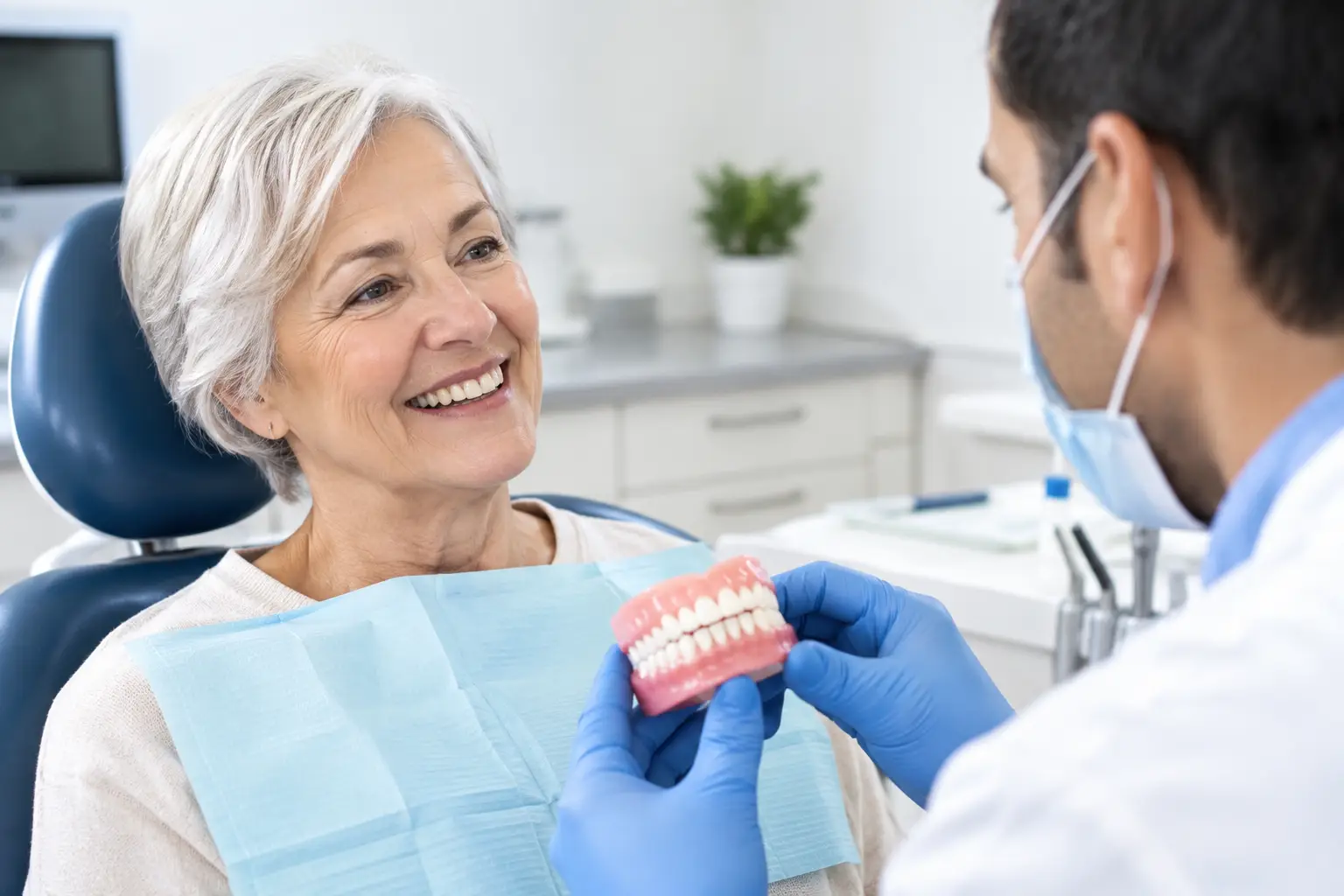
A removable partial denture is another practical way to replace one or more missing teeth. It can be made from acrylic, metal, or flexible materials, depending on the clinical situation and design. It is removed for cleaning and usually rests on the gums while using existing teeth for support.
This option can be helpful when multiple teeth are missing, when the remaining teeth cannot support a fixed bridge, or when a patient prefers a lower initial cost than implants. A partial denture can also be used as a temporary solution while a longer-term treatment plan is being completed.
The adjustment period is real. A partial denture may initially feel unfamiliar, and it can require occasional adjustments as your gums and bite change. It should not be viewed as a one-size-fits-all appliance. A well-designed partial denture is planned carefully to support chewing, appearance, speech, and the health of your remaining teeth.
What about keeping the old bridge?
If a bridge has come loose but is otherwise intact, it may sometimes be recemented. This depends on the condition of the bridge, the teeth beneath it, and why it loosened in the first place. Recementing without checking for decay, fracture, or an improper fit can delay needed treatment.
Avoid using household glue or attempting a home repair. These products are not safe for the mouth and can make professional treatment harder. Keep the bridge if it has come out, avoid chewing on that side, and arrange a dental appointment promptly. If there is swelling, severe pain, trauma, or a sharp edge causing injury, seek urgent dental care.
Choosing among dental bridge replacement options
The best option is rarely based on one factor alone. Your dentist will look at the condition of the supporting teeth, the number and location of missing teeth, bone levels, gum health, bite forces, and your goals for appearance, comfort, treatment time, and budget. X-rays and an examination are often needed before a reliable recommendation can be made.
Insurance coverage and eligibility through programs such as the Canadian Dental Care Plan may also affect the practical side of treatment. Coverage varies by plan and procedure, so it is helpful to review estimates and available benefits before starting care. A clear conversation about phases of treatment can make a larger restorative plan feel more manageable.
For families in Thornhill and nearby communities, DentiFlow Dentistry can assess a failing bridge, explain the available choices in plain language, and coordinate the care needed to restore your comfort and function. Whether the right next step is a new bridge, an implant-supported restoration, or a partial denture, timely attention can protect the teeth and gums you still have.
If your bridge is uncomfortable, loose, or simply no longer serving you well, booking an assessment is a practical first step. The goal is not just to fill a space, but to choose a restoration that supports everyday eating, speaking, smiling, and oral health with confidence.