
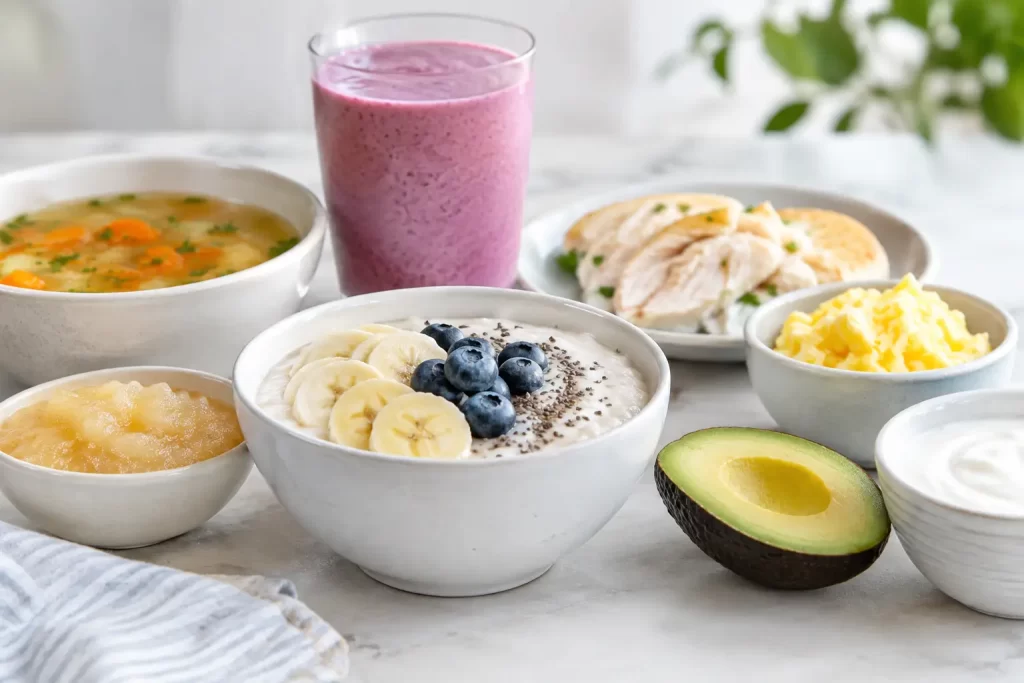
A tooth extraction can leave you hungry but cautious, especially once the freezing wears off and the area feels tender. Choosing the best foods after extraction helps protect the blood clot at the treatment site, keeps chewing comfortable, and gives your body the nutrition it needs to heal.
For the first day or two, the goal is simple: choose foods that are soft, cool or lukewarm, and easy to eat without disturbing the extraction area. Your dentist’s instructions should always come first, particularly after a surgical extraction or wisdom tooth removal.
What to eat in the first 24 hours
The first 24 hours are when the blood clot needs the most protection. This clot is a normal part of healing. It covers the socket and helps prevent a painful complication called dry socket, which can happen if the clot is dislodged too soon.
Stick with smooth foods that require little or no chewing. Cool foods can also feel soothing, but avoid anything extremely cold if it causes sensitivity.
Good first-day choices include:
- Plain yogurt without granola, seeds, or fruit pieces
- Applesauce
- Mashed potatoes or sweet potatoes, served lukewarm
- Smooth soups or broths that have cooled down
- Pudding, custard, or gelatin
- Scrambled eggs once you feel ready for a little soft chewing
- Cottage cheese
- Smooth oatmeal or cream of wheat after it has cooled
If you make a smoothie, drink it from a cup with a spoon rather than a straw. The suction created by a straw can disturb the clot. This same advice applies to spitting forcefully, smoking, or vaping during early recovery.
Best foods after extraction for steady healing
Once the initial tenderness begins to settle, many people can add more filling soft foods. Healing is not just about avoiding discomfort. Your body also needs protein, vitamins, minerals, and fluids to repair tissue effectively.
Soft proteins help you feel satisfied
It can be tempting to rely only on pudding and mashed potatoes, but protein supports tissue repair and helps keep energy levels steadier. Soft scrambled eggs, flaky fish, tofu, Greek yogurt, cottage cheese, and well-cooked lentils are practical options as your comfort improves.
Chicken, ground meat, and other firmer proteins may be appropriate later, but only if they are very tender and you can chew away from the extraction site. After a simple extraction, this may be possible within a few days. After wisdom tooth removal or a more complex procedure, it may take longer.
Cooked vegetables and soft carbohydrates add nutrition
Well-cooked vegetables can be blended into soups or mashed with potatoes. Squash, carrots, peas, cauliflower, and zucchini are often easier to manage than raw vegetables. Avocado is another helpful choice because it is soft, filling, and does not require much chewing.
Soft carbohydrates such as oatmeal, pasta, rice, and soft bread can be added gradually. Rice can sometimes collect around an extraction site, so some patients prefer to wait until the area feels less open and tender. Rinse gently as instructed by your dentist after meals to help keep food debris away from the socket.
Soups can be useful, with a few precautions
Blended soups are a convenient way to include vegetables and protein without much chewing. Choose smooth options such as squash soup, tomato soup, lentil soup that has been blended, or a mild chicken and vegetable soup with soft ingredients.
Let hot food cool before eating it. Heat can increase bleeding or irritate a fresh extraction site during the first day. Avoid soups with crunchy croutons, seeds, grains, or spicy seasonings until the area has healed further.
Foods and drinks to avoid after an extraction
Some foods are uncomfortable after an extraction. Others can get trapped in the socket, interfere with healing, or make it easier to dislodge the blood clot. For several days, avoid crunchy foods such as chips, popcorn, nuts, crackers, and raw vegetables. Small particles can be particularly troublesome around wisdom tooth extraction sites.
Also avoid sticky foods such as caramel, chewy candy, and gum. These can pull at the area or make cleaning difficult. Acidic and spicy foods may sting, while alcohol can interfere with healing and may not be safe alongside prescribed pain medication or antibiotics.
Hot drinks deserve extra caution during the first 24 hours. Let coffee, tea, and soup cool to a lukewarm temperature. Carbonated drinks can also be uncomfortable for some patients, so water is usually the easiest choice at first.
Do not use straws until your dentist says it is safe. Suction is one of the most preventable risks for dry socket. Smoking and vaping should also be avoided, as they can slow healing and significantly increase complications.
How to eat more comfortably during recovery
Small meals are often easier than trying to finish a full plate. Take slow bites, chew on the opposite side of your mouth when possible, and stop if eating causes sharp or increasing pain. It is normal to have some tenderness, but forcing yourself through firmer foods can irritate the area.
Stay hydrated with frequent sips of water. If you feel nauseated after a procedure or pain medication, start with bland choices such as applesauce, yogurt, or mashed potatoes. Taking medication exactly as directed and, when permitted, with a little food can help reduce stomach upset.
After the first 24 hours, you may be asked to rinse gently with warm salt water. Do not swish aggressively. Let the water move lightly around your mouth and then allow it to fall out rather than spitting hard. Follow the specific aftercare directions provided by your dental team, as instructions can differ based on the type of extraction.
When can you return to normal foods?
There is no single timeline for everyone. A straightforward tooth extraction may allow a gradual return to regular foods within several days, while wisdom tooth surgery, stitches, infection, bone grafting, or multiple extractions can require a softer diet for longer.
A useful rule is to progress based on comfort. If you can chew without pressure or pain near the extraction site, you can begin adding softer versions of your usual meals. Start with pasta, soft fish, tender cooked vegetables, and finely shredded meats before moving on to crunchy, chewy, or hard foods.
If food repeatedly gets stuck in the area, return to smoother foods for another day or two. Do not probe the socket with a toothpick, fingernail, or utensil. Your dentist can tell you when normal brushing and cleaning around the area can resume.
When to contact your dentist
Mild soreness, swelling, and a small amount of bleeding can be expected after an extraction. However, contact your dental office if pain becomes worse after improving, bleeding does not slow with firm gauze pressure, swelling increases after a few days, or you develop fever, pus, a foul taste, or difficulty swallowing or breathing.
Severe throbbing pain that begins two to five days after treatment, especially with an unpleasant taste or odour, may be a sign of dry socket. Prompt dental care can relieve discomfort and support proper healing.
At DentiFlow Dentistry, our team can review aftercare concerns and help you understand what is normal for your specific treatment. If you are unsure whether a food is safe to eat, it is always better to ask before risking irritation to a healing extraction site.
For now, keep meals soft, nourishing, and unhurried. A few days of careful food choices can make recovery more comfortable and help your mouth heal with fewer setbacks.