
A cracked tooth at breakfast, a child’s chipped tooth after practice, or a throbbing ache that keeps you awake can quickly change the day’s plans. A same day dental appointment Thornhill residents can access may help relieve pain, protect a damaged tooth, and prevent a small concern from becoming a more involved treatment.
Not every dental issue requires immediate care, but waiting is not always the safest or most comfortable choice. The right next step depends on your symptoms, how the problem started, and whether there are signs of infection or injury. Calling a dental office as soon as possible gives the team time to assess your situation and advise you on available appointment options.
When a Same Day Dental Appointment in Thornhill Makes Sense
Same-day care is often appropriate when pain, damage, swelling, or a lost restoration is interfering with eating, sleeping, speaking, or daily life. Dental problems do not always follow office-hour schedules, and prompt assessment can make a meaningful difference in preserving your oral health.
You should contact a dentist promptly if you have a severe or persistent toothache, swelling around a tooth or in the gums, a broken, cracked, or knocked-out tooth, or a filling, crown, bridge, or denture that has come loose. Sudden sensitivity to hot or cold can also need attention, particularly when it lingers after the source is removed or becomes more intense.
A same-day visit may not mean every treatment is completed in one appointment. In some cases, the priority is diagnosing the source of the problem, managing pain, controlling infection, protecting the tooth, and creating a treatment plan. A temporary filling, adjustment, reattachment, or medication may be appropriate before a permanent restoration can be completed.
Problems That Should Not Wait Too Long
A toothache is one of the most common reasons patients seek urgent dental care. It may be caused by decay, a cracked tooth, gum infection, an abscess, or an issue with an existing filling or crown. Pain can come and go, but that does not necessarily mean the underlying concern has resolved. If pain is strong enough to affect sleep, work, meals, or concentration, it is worth calling for advice the same day.
Dental trauma also deserves quick attention. A chipped tooth may be largely cosmetic, but a deeper fracture can expose the inner layers of the tooth and increase sensitivity or infection risk. If a permanent tooth is knocked out, time matters. Handle it carefully by the crown rather than the root, rinse it gently if dirty, and place it in milk or a tooth-preservation solution if available. Contact a dentist immediately for guidance.
Lost fillings and crowns can leave sensitive tooth structure exposed. While a missing restoration may not always cause pain right away, it can make the tooth vulnerable to further breakage. Avoid chewing on that side until you can be assessed. Do not use household glue to put a crown back in place.
When to Seek Emergency Medical Help Instead
Some symptoms require medical emergency care rather than waiting for a dental appointment. Call 911 or go to the nearest emergency department if you have difficulty breathing or swallowing, uncontrolled bleeding, a serious facial injury, or rapidly spreading swelling in the face, jaw, or neck.
A dental infection can sometimes spread beyond the tooth and gums. Fever, significant facial swelling, trouble opening the mouth, or feeling generally unwell alongside tooth pain should be treated seriously. A dentist can address many infections, but severe symptoms may require urgent medical assessment first.
What to Do Before Your Appointment
Simple, careful steps can make you more comfortable while you arrange care. Rinse gently with warm salt water if your gums are sore or swollen, and use a cold compress on the outside of the cheek for injury-related swelling. Choose soft foods and avoid chewing on the painful or damaged side.
Over-the-counter pain relief may help when used exactly as directed on the label and when it is safe for you to take. If you are unsure because of a health condition, pregnancy, allergies, or other medications, speak with a pharmacist or healthcare provider. Do not place aspirin directly on the gums or tooth. It can burn soft tissue and does not treat the cause of the pain.
If a tooth has broken, save any larger pieces in a clean container and bring them with you. For a loose crown, keep it in a small container rather than trying to force it into place. These details can help the dental team determine the best way to restore your tooth.
What to Expect at an Urgent Dental Visit
An urgent appointment begins with listening. The dental team will ask when the symptoms started, what makes them worse, whether you have swelling or fever, and whether an injury occurred. Be ready to share your medications, allergies, relevant medical conditions, and any recent dental treatment.
An examination and dental X-rays may be needed to identify what cannot be seen from the surface. For example, a tooth that appears intact may have a crack below the gumline, while pain that feels like it comes from one tooth can sometimes be related to a neighbouring tooth or the surrounding gums.
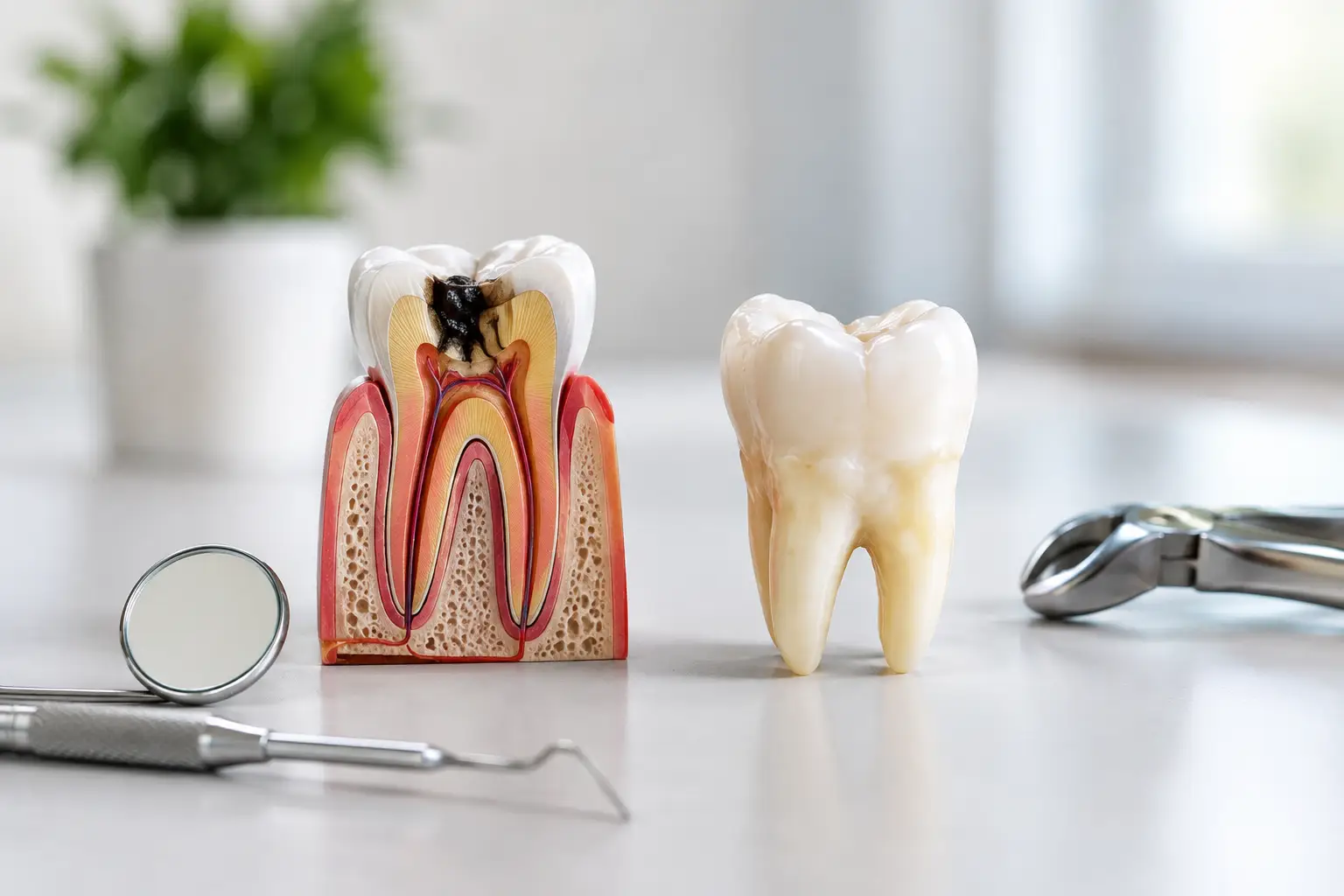
Treatment depends on the diagnosis. A cavity or failed filling may be repaired with a new filling. A damaged tooth may need a crown to restore strength and function. When decay or infection has reached the tooth’s nerve, root canal therapy may be recommended to preserve the tooth. If a tooth cannot be saved, an extraction may be the healthiest option, followed by a conversation about replacing it when appropriate.
For patients who feel nervous about dental treatment, say so early in the visit. Dental anxiety is common, especially when pain has made the situation feel urgent. A patient-centred team can explain what they are checking, discuss options in clear language, and help you move through care one step at a time.
Same-Day Care Is About More Than Pain Relief
The immediate goal of urgent dentistry is often to get you comfortable. The longer-term goal is to restore function and reduce the chance of the problem returning. That may mean scheduling follow-up care after the urgent visit, whether you need a final crown, root canal completion, replacement filling, hygiene treatment, or a plan for a missing tooth.
This continuity matters for families as well as individual patients. A clinic that provides preventive, restorative, cosmetic, and emergency services can support routine cleanings and examinations while also being a familiar place to call when something unexpected happens. DentiFlow Dentistry provides this broad approach to care for Thornhill patients, including new patients who need timely support.
Insurance concerns should not delay the call. Ask the office about direct insurance billing, estimated patient portions, and eligibility under the Canadian Dental Care Plan. The exact coverage depends on your plan and treatment needs, but clear financial information can make it easier to focus on the care in front of you.
Can You Prevent Another Urgent Dental Problem?
Not every dental emergency is preventable. Accidents happen, and a tooth can crack without much warning. Still, regular examinations and professional hygiene appointments allow a dentist to identify early decay, worn fillings, gum concerns, cracked teeth, and bite pressure before they become painful.
A custom mouthguard can help protect teeth during contact sports and activities with a risk of falls or impact. If you grind or clench your teeth, particularly at night, a nightguard may reduce the strain that contributes to worn enamel, fractured fillings, and cracked teeth. Your dentist can recommend an option based on your bite and symptoms.
If your tooth or gums are telling you something is wrong, trust that signal. Calling early can give you more choices, more comfort, and a better chance of keeping your smile healthy.