A chip in a front tooth can feel much bigger than it looks. You may notice it every time you speak, smile, or run your tongue over the rough edge. Dental bonding for chipped tooth repair is often a straightforward way to restore the tooth’s shape, smoothness, and natural appearance, sometimes in a single appointment.
The right repair depends on more than the size of the chip. Your dentist will look at where the damage occurred, how your teeth meet when you bite, whether the tooth is sensitive, and whether there are signs of a deeper crack. A small cosmetic chip and a tooth damaged in a fall or sports injury need different levels of care.
What is dental bonding for a chipped tooth?
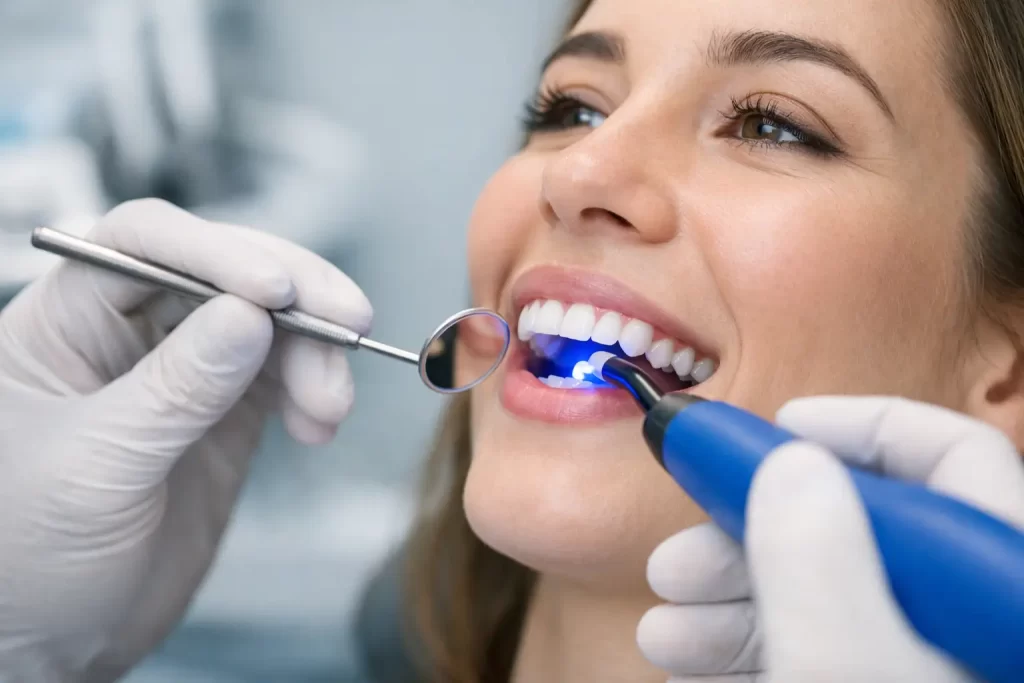
Dental bonding uses a tooth-coloured composite resin to rebuild a missing corner or edge of a tooth. The material is selected to blend with the surrounding enamel, then carefully shaped, hardened with a curing light, and polished. The goal is for the repaired tooth to look natural and feel comfortable when you bite.
For a minor chip, bonding may involve only a small amount of composite. In some cases, smoothing the edge alone is enough. If more tooth structure is missing, bonding can recreate a larger section of the tooth and improve symmetry with the neighbouring teeth.
Bonding is commonly used on front teeth because it can make a visible difference without removing much, if any, healthy enamel. It can also be useful for small chips on other teeth when the bite forces in that area are suitable. It is a conservative treatment, but it is not the best answer for every fracture.
When bonding is a good option
Bonding can work well when a tooth has a small to moderate chip, especially if the remaining tooth is healthy and stable. It is often considered when the damage is limited to enamel or a small area of dentin, the layer beneath the enamel.
It may be a practical choice if you want a natural-looking repair with minimal treatment time. Many patients also appreciate that composite bonding is generally less invasive than a veneer or crown. Your dentist can match the resin to the colour of your tooth and make small adjustments to the contour, which can be helpful if the tooth had an uneven edge before it chipped.
The condition of your bite matters. If you clench or grind your teeth, or if the chipped tooth receives heavy pressure when you close your mouth, composite can be more likely to chip again. A night guard, bite adjustment, or a different restoration may be recommended to protect the repair.
A dental exam comes first
A visible chip does not always show the full extent of an injury. A tooth can have a crack extending farther than expected, or the nerve inside the tooth may have been affected by the impact. Your dentist may take an X-ray, test the tooth’s response, and examine nearby teeth and soft tissues.
Let the dental team know if you have sensitivity to hot or cold, pain when biting, bleeding around the tooth, swelling, or a tooth that feels loose. These symptoms do not automatically mean a serious problem, but they should be assessed promptly. If a tooth has been knocked loose, moved out of position, or broken deeply, seek urgent dental care rather than waiting to see whether it settles on its own.
What happens during the bonding appointment?
For a simple chipped tooth, bonding is usually a comfortable procedure. Local freezing may not be necessary unless the chip is deep, the tooth is sensitive, or additional preparation is needed.
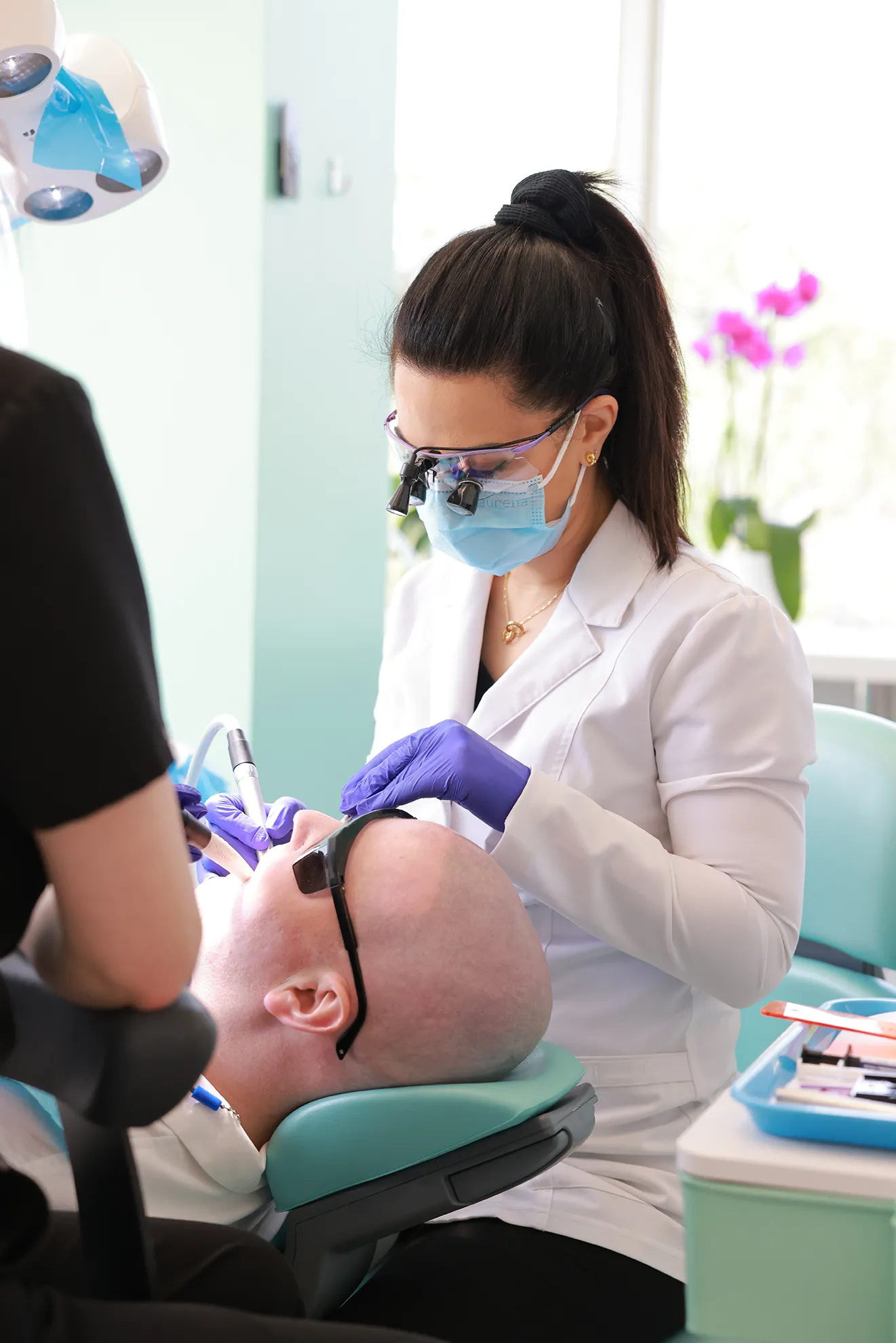
Your dentist first cleans the tooth and selects a composite shade that suits your smile. The enamel is lightly conditioned so the bonding material can adhere properly. Composite is then applied in small layers and shaped to rebuild the chipped area. Each layer is hardened with a curing light.
The final step is especially important. Your dentist refines the shape, checks your bite, and polishes the surface so it feels smooth and reflects light more like natural enamel. You should be able to speak and smile normally right away. If your bite feels high or the repaired edge catches on floss, contact the clinic so it can be adjusted.
How long does chipped tooth bonding last?
A bonded repair can last for several years, but there is no single timeline that applies to everyone. Its longevity depends on the size and location of the repair, your bite, eating habits, oral hygiene, and whether you grind or clench.
Composite resin is strong, but it is not as hard as natural enamel or porcelain. Biting hard items with front teeth, such as ice, pens, fingernails, or hard candy, can place unnecessary stress on the bonded edge. Chewing with care does not mean avoiding normal foods forever. It means using common sense with very hard objects and avoiding habits that can damage both natural teeth and dental work.
Bonding can also pick up stains over time, particularly with frequent coffee, tea, red wine, tobacco, or strongly coloured foods. Professional cleanings help maintain a healthy smile, but whitening products do not change the colour of existing composite. If you are considering whitening, ask about timing before having visible bonding placed so the shade can be matched appropriately.
If the bonding chips, dulls, stains, or starts to feel rough, it can often be polished, repaired, or replaced. Regular checkups give your dentist an opportunity to monitor the restoration and the tooth underneath it.
Caring for a bonded tooth
Care for dental bonding much as you would your natural teeth. Brush twice daily with a soft toothbrush and fluoride toothpaste, clean between teeth every day, and attend routine dental examinations and hygiene visits. Good oral hygiene helps prevent decay around the edge of the bonding, where plaque can collect if cleaning is inconsistent.
Avoid using your teeth as tools to open packaging or tear tags. If you play contact sports, wear a properly fitted mouthguard. If you wake with jaw soreness, notice flattened teeth, or have been told you grind at night, mention it at your appointment. Protecting a bonded tooth may involve addressing the forces that caused the damage, not simply repairing the visible chip.
Bonding, veneers, crowns, and other repair options
A small chip does not always require the same treatment as a larger fracture. Your dentist will recommend an option based on how much healthy tooth remains and what the tooth needs to do.
Dental bonding is often the most conservative approach for minor chips and cosmetic edge repairs. It is usually completed quickly and can be repaired if damaged later. Its trade-off is that composite may stain or wear sooner than porcelain, particularly in areas under heavy bite pressure.
A veneer may be considered when a front tooth has more extensive cosmetic concerns, such as larger chips, shape differences, or persistent discolouration. Veneers are often porcelain and can offer excellent stain resistance, but they generally require more planning and some enamel preparation.
A crown may be needed when a substantial portion of the tooth is broken, weakened by a large filling, or at risk of further fracture. Crowns cover the tooth more fully and can provide greater protection, although they involve more tooth preparation than bonding.
If a chip is extremely small, contouring and polishing may be all that is required. If the tooth’s nerve has been injured or exposed, root canal treatment followed by an appropriate restoration may be necessary. The best choice protects your long-term oral health as well as the appearance of your smile.
Cost and insurance considerations
The cost of bonding varies with the size of the repair, the tooth involved, and whether the damage is cosmetic or related to an injury. Insurance coverage also varies by plan. Some plans may contribute when treatment is needed to restore a damaged tooth, while purely cosmetic treatment may have different coverage rules.
Before treatment, ask for an estimate and review your insurance details. DentiFlow Dentistry offers direct insurance billing and participates in the Canadian Dental Care Plan, helping eligible patients better understand their treatment options and expected costs.
Do not ignore a newly chipped tooth
Save any broken tooth fragment if you can find it, place it in milk or saline if appropriate, and bring it to your appointment. Rinse your mouth gently with warm water. If the edge is sharp, dental wax can temporarily protect your cheek or tongue. Avoid biting on the affected tooth until it has been examined.
For pain, swelling, a deep break, a loose tooth, uncontrolled bleeding, or an injury involving the jaw, contact a dentist as soon as possible. Prompt assessment can make a meaningful difference, especially after trauma.
A repaired tooth should let you smile, eat, and speak without giving it a second thought. Booking an assessment soon after a chip appears gives you the clearest path to a repair that feels comfortable now and supports the health of the tooth over time.