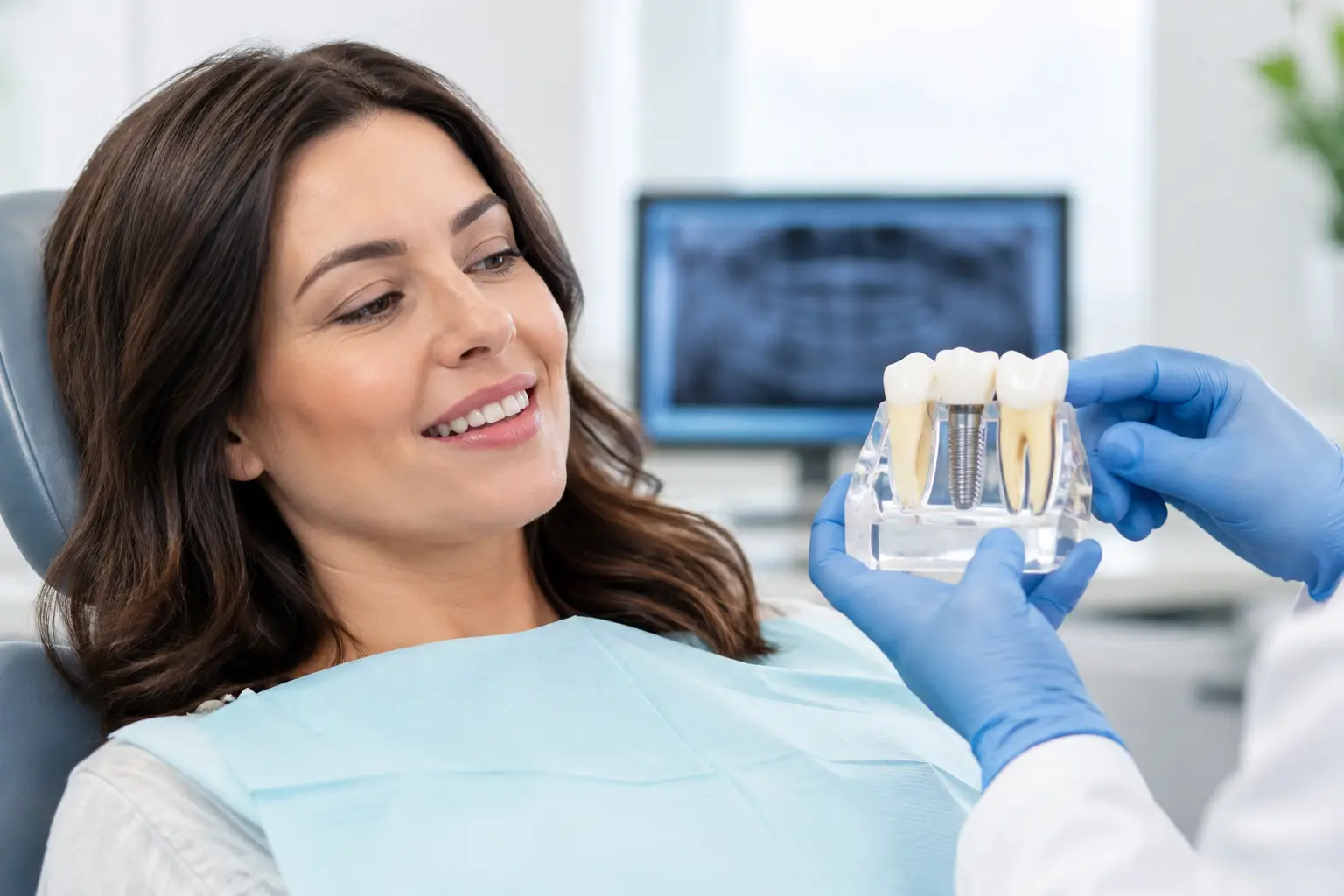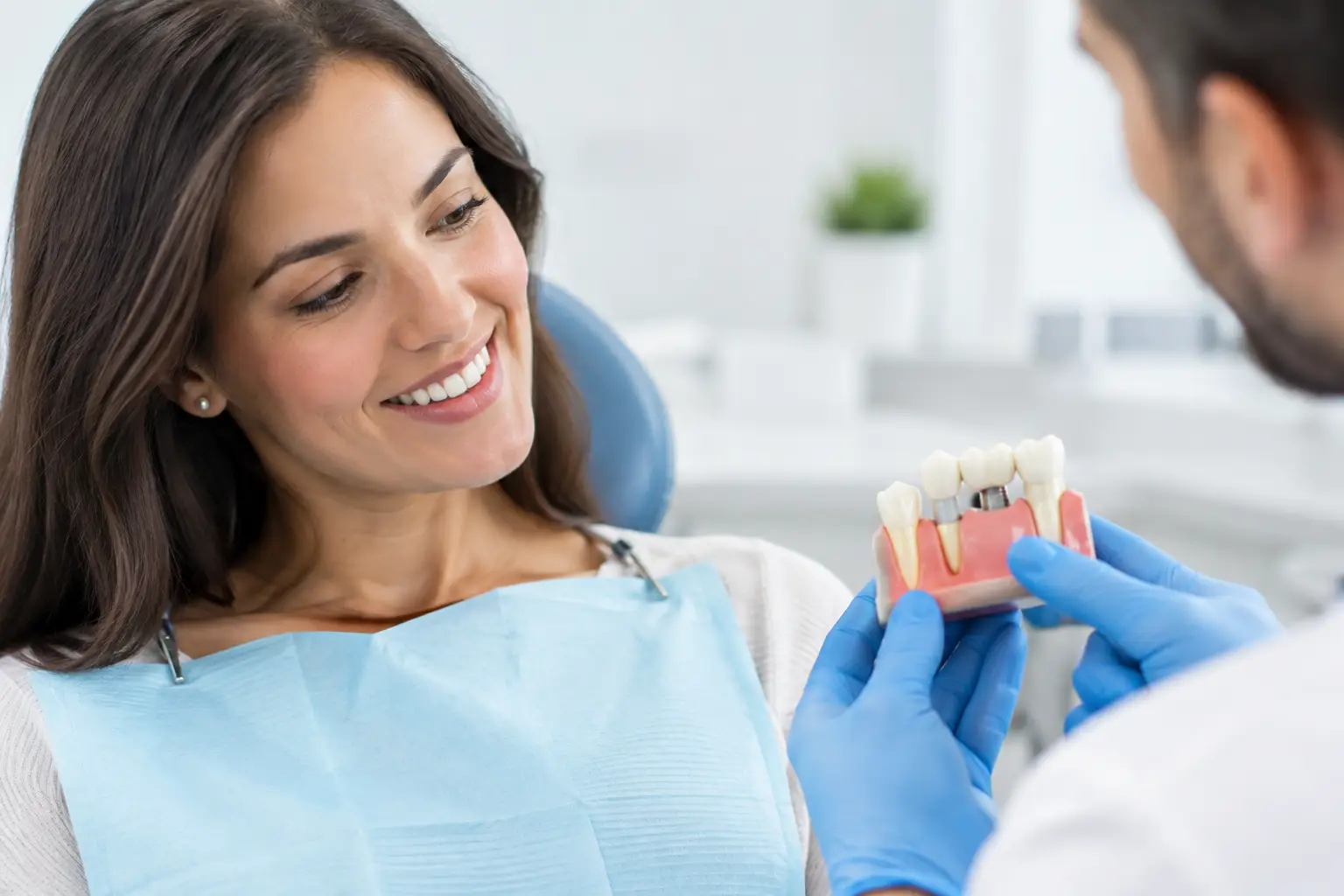
For many people considering a missing-tooth replacement, the first question is simple: are dental implants painful? The short answer is that implant placement should not be painful during the procedure because the area is thoroughly numbed. Afterwards, it is normal to have some tenderness, swelling, and discomfort for several days, but this is usually manageable with the care instructions and medication recommended by your dentist.
Dental anxiety is understandable, especially if you have put off treatment because of a past experience or worry about surgery. Knowing what happens before, during, and after an implant appointment can make the process feel far more predictable.
Are Dental Implants Painful During the Procedure?
Before an implant is placed, your dentist uses local anesthetic to numb the gums and jawbone around the treatment area. You may feel the small pinch or pressure of the anesthetic being administered, but once it takes effect, you should not feel pain during the placement itself.
Some patients notice pressure, vibration, or the sensation of the dentist working in the area. These sensations can feel unfamiliar, but they are not the same as pain. Let your dental team know immediately if you feel sharpness or discomfort at any point. More anesthetic can be provided before treatment continues.
The complexity of the procedure matters. Replacing one tooth in a healthy area is often more straightforward than placing several implants, removing a damaged tooth, or adding bone grafting first. If your case requires additional treatment, your dentist will explain the stages involved and what to expect from each one.
For patients who are especially anxious, sedation options may also be discussed where appropriate. Sedation is not necessary for every implant procedure, but it can help some patients feel calmer and more comfortable. Your medical history, the planned treatment, and the level of anxiety you experience will all help determine what is suitable.
What Does Dental Implant Recovery Feel Like?
Most people describe the first few days after implant placement as similar to the recovery from an extraction or other minor oral surgery. Once the freezing wears off, you may have a sore jaw, tender gums, mild bleeding, and swelling around the implant site. Bruising can occur too, particularly after more involved procedures.
Discomfort is often strongest within the first 24 to 72 hours and then gradually improves. Your dentist may recommend over-the-counter pain relief or prescribe medication when needed. Take any medication exactly as directed, and do not wait until discomfort becomes intense before following the plan you were given.
Cold compresses can help reduce swelling during the first day or two. Rest, drink plenty of fluids, and choose soft foods such as yogurt, eggs, soup that is not too hot, mashed vegetables, oatmeal, or smoothies eaten with a spoon. Avoid chewing directly on the treatment site until your dentist says it is safe.
It is also wise to avoid smoking or vaping during healing. Tobacco and nicotine can interfere with blood flow and make it harder for the implant area to heal properly. Limiting alcohol and avoiding strenuous exercise immediately after surgery can also support a more comfortable recovery.
Healing Takes Longer Than the Soreness
The initial soreness may settle within days, but the implant needs much longer to bond with the jawbone. This process, called osseointegration, creates the stable foundation that allows an implant to support a crown, bridge, or denture.
During this healing period, you should attend recommended follow-up appointments. Your dentist will check the gums, confirm that healing is progressing, and advise you when the final restoration can be placed. A tooth can look and feel fine on the surface while the bone beneath is still healing, which is why follow-up care matters.
What Can Make an Implant More Uncomfortable?
Pain levels vary because every mouth and treatment plan is different. Implant treatment may involve more post-procedure discomfort when a tooth extraction, bone graft, sinus lift, or multiple implants are completed at the same time. Existing infection or inflammation can also affect how the area feels before and after treatment.
Your general health plays a role as well. Conditions such as uncontrolled diabetes can slow healing, and some medications may affect bleeding or bone health. This does not automatically rule out implants, but it makes a detailed health review essential. Be open with your dentist about prescription medications, supplements, allergies, and medical conditions so your plan can be tailored safely.
An implant is often a planned treatment rather than an emergency decision. Taking time for a proper examination, X-rays or 3D imaging when indicated, and a discussion about your options helps reduce surprises. In some situations, a bridge or denture may be more appropriate based on bone volume, oral health, budget, timeline, or personal preference.
How to Manage Pain After Dental Implant Surgery
Your post-treatment instructions should always come first, since they are based on your specific procedure. In general, keeping your mouth clean without disturbing the surgical site is important. Your dentist may recommend a gentle salt-water rinse after a certain point, along with careful brushing around the area.
Do not poke the site with your finger or tongue, pull at stitches, or use a straw if you have been told to avoid suction. Stick to a soft-food diet as advised, and return to normal chewing gradually. If you wear a temporary denture or other temporary restoration, follow the instructions about when and how to wear it so pressure is not placed on the healing implant.
Plan for a quieter day after your appointment if possible. Many people return to work quickly after a simple placement, but giving yourself time to rest is sensible. If your job is physically demanding, ask your dentist when it is appropriate to resume heavy lifting or strenuous activity.
When Is Pain After an Implant a Concern?
Some tenderness and swelling are expected. Pain that becomes worse after initially improving, however, deserves a call to your dental office. The same is true if you have persistent bleeding, increasing swelling, fever, a bad taste or discharge, numbness that does not resolve as expected, or a loose-feeling implant or restoration.
Do not try to diagnose an implant issue at home or wait through severe pain. Prompt assessment can protect your comfort and give your dentist the opportunity to address a problem early. If you are experiencing significant facial swelling, trouble breathing, trouble swallowing, or symptoms that feel urgent, seek emergency medical care right away.
Is the Result Worth the Recovery?
For many patients, the brief recovery period is a reasonable trade-off for a replacement tooth that looks natural, supports chewing, and stays in place. Unlike a removable denture, an implant is anchored in the jawbone. Unlike a traditional bridge, an implant may allow neighbouring teeth to remain untouched. Still, it is not the right answer for every person or every missing tooth.
The best decision comes from a conversation about your oral health, goals, healing needs, and practical concerns. A clear treatment plan should include the expected stages, the type of restoration planned, recovery guidance, and costs before you move ahead.
If fear of pain has kept you from asking about implants, start with a consultation rather than assuming the worst. At DentiFlow Dentistry, patients can discuss their concerns, have their mouth assessed, and receive straightforward guidance on whether an implant or another restorative option fits their needs. A calm conversation and a personalized plan are often the most helpful first steps toward eating, speaking, and smiling comfortably again.