
A toothache that wakes you at 2 a.m., a chipped front tooth before a presentation, or a child who falls during a game can all be unsettling. Emergency dental symptoms are not always dramatic, but acting promptly can often relieve pain, prevent an infection from progressing, and improve the chance of saving a damaged tooth.
The practical question is not whether the problem can wait until it becomes unbearable. It is whether waiting could make treatment more complicated. A dentist can assess the cause, control discomfort, and recommend the right care, whether that means restoring a tooth, treating an infection, or protecting injured tissues.
Which Emergency Dental Symptoms Need Same-Day Care?
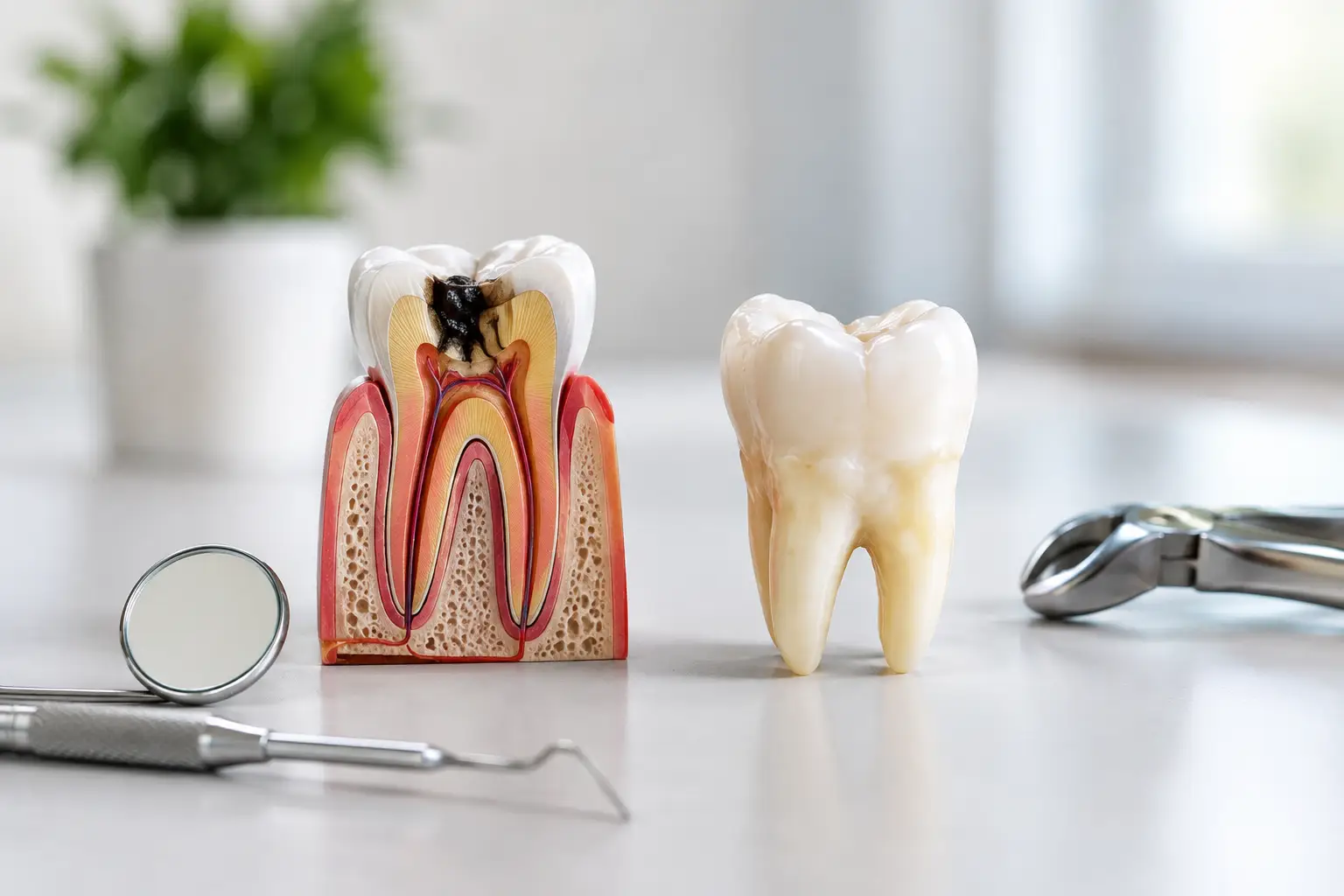
Severe or persistent dental pain deserves prompt attention, especially when it interferes with sleeping, eating, working, or concentrating. Pain may come from deep decay, a cracked tooth, an exposed nerve, gum infection, or a problem with an existing filling or crown. Painkillers may temporarily reduce discomfort, but they do not resolve the underlying cause.
Facial swelling, swelling around the gums, or a visible bump near a tooth can signal an infection. Dental infections can spread beyond the tooth and should not be managed by waiting for them to settle on their own. Contact a dental office the same day for advice and an assessment.
A knocked-out adult tooth is one of the most time-sensitive dental injuries. If possible, pick it up by the crown – the part normally visible in the mouth – rather than the root. Gently rinse off dirt with water without scrubbing it, then try to place it back in its socket. If that is not possible, keep it moist in milk or saliva and seek dental care immediately. Time matters greatly when trying to reinsert a tooth.
A broken, cracked, or loosened tooth also needs urgent attention. Even a small crack may extend below the surface or expose the inner tooth. Save any pieces you can find, rinse your mouth with warm water, and avoid chewing on that side. A sharp edge can sometimes be covered temporarily with dental wax until you are seen.
Uncontrolled bleeding after an extraction, injury, or procedure is another reason to call promptly. Light oozing after an extraction can be normal, but bleeding that remains heavy after applying firm pressure with clean gauze needs professional direction.
When Dental Symptoms Need Emergency Medical Help
Some symptoms require more than a dental appointment. Call 911 or go to the nearest emergency department if swelling is affecting breathing or swallowing, if it is spreading rapidly into the face or neck, or if you have severe bleeding that will not stop. These can be signs of a serious medical emergency.
Fever accompanied by facial swelling, confusion, marked weakness, or difficulty opening your mouth should also be treated urgently. A dental office can help with many infections and injuries, but emergency medical teams are the right choice when airway safety or serious systemic illness is a concern.
Common Problems That Feel Urgent but May Be Able to Wait
Not every uncomfortable dental issue requires same-day treatment, although it is still sensible to arrange an appointment soon. A mildly sensitive tooth, a small chip with no pain, or a lost filling without sharp edges may be manageable for a short time. The key is monitoring the problem closely.
A lost crown is a good example. It may not be a medical emergency, but the exposed tooth can be sensitive and more vulnerable to damage. Keep the crown if you have it, avoid sticky foods, and book an appointment as soon as possible. Do not use household glue to put it back in place.
Bleeding gums during brushing are also not usually an emergency. They can point to gum inflammation and should be discussed at a routine visit, particularly if bleeding is frequent. However, gums that are very swollen, painful, producing pus, or associated with fever are different and need faster care.
When in doubt, call. Describing your symptoms, how long they have been present, and whether they are getting worse helps the dental team guide you appropriately.
What to Do Before You Are Seen
Simple first-aid measures can make the hours before your appointment more comfortable and reduce the risk of further injury. They are not a substitute for treatment, particularly when pain, swelling, or trauma is significant.
For a toothache, rinse gently with warm salt water to clear debris and soothe irritated tissues. Floss carefully around the painful tooth in case food is trapped between teeth. Use a cold compress against the outside of the cheek for swelling or after an injury. Take over-the-counter pain medication only as directed on the package and only if it is safe for you based on your health history or medications.
Do not place aspirin, alcohol, or pain-relief gels directly on the gums or tooth. They can burn oral tissues and make the area more painful. Avoid applying heat to facial swelling, as heat can worsen inflammation in some situations.
If a tooth has broken, protect your tongue and cheek from rough edges and keep the area clean. If a filling or crown has come loose, avoid chewing on that side. Choose soft foods, and avoid very hot, cold, sugary, or hard foods if the tooth is sensitive.
For a mouth injury, use gentle pressure with clean gauze or a clean cloth to control bleeding. A cold compress can help limit swelling. If a child has injured a baby tooth, do not try to put it back into the socket. Reimplanting a baby tooth can affect the developing adult tooth underneath. Contact a dentist for guidance.
Why Prompt Care Can Save More Than a Tooth
Dental emergencies are often easier to treat when addressed early. A small crack can sometimes be protected with a restoration before it becomes a deeper fracture. Infection can be treated before it causes substantial swelling or affects surrounding bone. A dislodged tooth may have a better chance of survival when treated quickly.
There is also a practical benefit to getting a clear diagnosis. Dental pain can be difficult to pinpoint, and the tooth that hurts is not always the tooth causing the problem. An examination and dental X-rays, when appropriate, allow the dentist to identify whether the issue involves decay, a cracked tooth, gum disease, an abscess, a failing restoration, or something else.
Treatment depends on the diagnosis. It may involve a filling, crown, root canal treatment, drainage of an infection, extraction, or a repair to an existing restoration. The goal is not simply to stop pain for the day. It is to restore comfort and function while protecting your long-term oral health.
Getting Emergency Dental Care in Thornhill
If you are experiencing severe pain, swelling, a dental injury, or another urgent concern, contact a local dental office as soon as possible and explain what happened. Sharing details about the timing, severity, bleeding, swelling, fever, and any relevant medical conditions helps the team determine how quickly you should be seen.
At DentiFlow Dentistry, patients can receive care for urgent dental concerns alongside the preventive and restorative treatment they may need afterward. For families in Thornhill and nearby communities, having one familiar clinic to call can make a stressful situation feel more manageable.
Do not wait for pain to become overwhelming before asking for help. A calm call, the right first-aid steps, and timely dental care can protect your smile and help you get back to eating, speaking, and feeling like yourself.