A missing tooth can affect far more than your smile. It may make chewing uncomfortable, change the way nearby teeth meet, or leave you avoiding certain foods and photos. This dental implant consultation guide explains what happens at the first appointment, how your dentist determines whether implants are suitable, and how to prepare for a clear, informed conversation about your options.
What a dental implant consultation is for
A dental implant consultation is not simply an appointment to choose a replacement tooth. It is a complete assessment of your oral health, the missing-tooth area, your bite, and your goals for treatment. Your dentist will use this information to recommend an approach that is safe, functional, and appropriate for your needs.
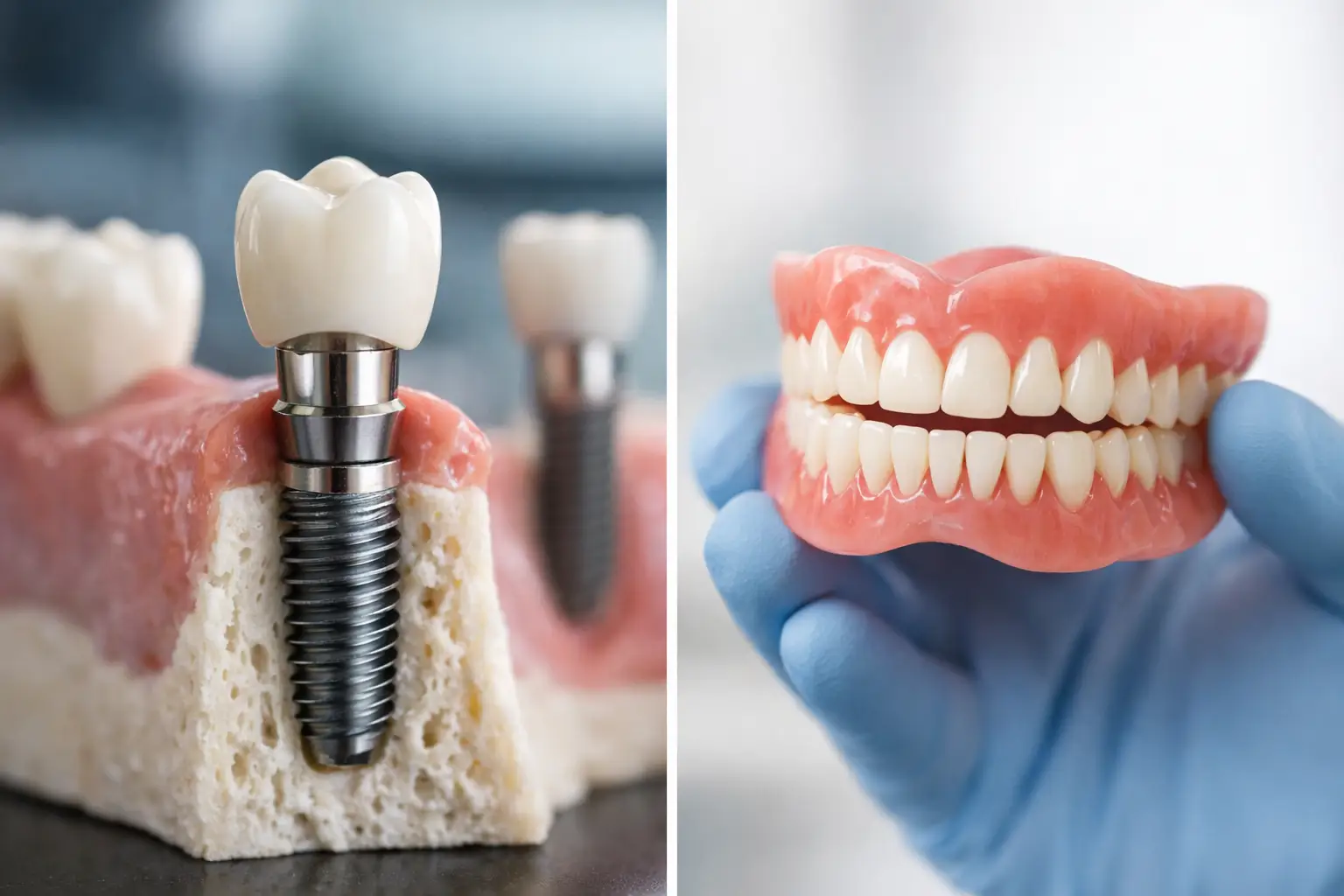
Dental implants are designed to replace the root of a missing tooth. A small titanium implant is placed in the jawbone, then restored with a crown, bridge, or denture after healing. Because an implant relies on the surrounding bone and healthy gums for support, careful planning comes before treatment.
For some patients, an implant is the right long-term choice. For others, a bridge or removable denture may be more practical based on the number of missing teeth, oral health, medical history, timeline, and budget. A good consultation gives you room to understand those differences without pressure.
What to expect during your appointment
Your visit generally begins with a conversation. Let your dentist know when the tooth was lost or removed, whether you have pain or sensitivity, and what you hope to improve. You may be focused on chewing comfortably again, preventing teeth from shifting, securing a loose denture, or restoring the appearance of your smile. Each goal can influence the treatment plan.
Your dentist will then examine your teeth and gums. They will look at the health of neighbouring teeth, signs of gum disease, the space available for a replacement, and how your upper and lower teeth come together. Even a single missing tooth can affect the bite over time, so this evaluation matters as much as the gap itself.
X-rays and 3D imaging
Imaging helps your dentist see what cannot be assessed during a visual examination. X-rays may show the bone level, roots of adjacent teeth, and any infection or changes beneath the gumline. In many cases, 3D imaging is also recommended to assess bone volume and identify important structures such as nerves and sinus spaces.
This planning step helps determine the safest position, size, and angle for an implant. It also reveals whether additional treatment, such as bone grafting or a sinus lift in the upper jaw, may be needed before implant placement.
Your health history matters
Be ready to discuss your general health and medications. Conditions such as uncontrolled diabetes, active gum disease, or a history of radiation therapy to the jaws can affect healing and may require additional planning. Smoking and vaping can also increase the risk of implant complications because they can interfere with gum and bone healing.
These factors do not automatically rule out implants. They simply help your dental team make decisions that support a predictable outcome. In some cases, improving gum health or coordinating care with your physician may be the best first step.
Are you a candidate for dental implants?
Many adults who have lost one or more teeth can be candidates for dental implants. The main requirements are healthy enough gums, sufficient jawbone or the ability to rebuild it, and a commitment to daily oral hygiene and regular dental care.
Age alone is rarely the deciding factor. An older adult with stable health and good oral hygiene may be an excellent candidate, while a younger person with untreated gum disease may need care before an implant can be considered. The condition of your mouth matters more than a single checklist.
If a tooth needs to be removed, your dentist will also discuss timing. Sometimes an implant can be placed soon after an extraction. In other situations, it is better to allow the area to heal first or complete a bone graft before moving forward. The right timeline depends on infection, bone quality, gum health, and the location of the tooth.
Questions to ask at an implant consultation
The best consultation should leave you feeling informed about both the clinical plan and the practical details. It can help to bring a short list of questions, especially if you feel nervous or are comparing treatment options.
Consider asking whether an implant is the best option for your situation, what preparation is needed, how many appointments are involved, and what type of restoration will be placed on the implant. You may also want to ask how long temporary and final teeth will take, what discomfort to expect, and what follow-up care is included.
Cost is an appropriate part of the discussion as well. Ask for a written treatment plan that explains the anticipated stages of care. Depending on your needs, implant treatment can involve an extraction, imaging, grafting, implant surgery, a healing component, and the final crown, bridge, or denture. Understanding what is included helps you compare options accurately.
Insurance coverage for implants varies by plan. Your clinic can help review available benefits and explain direct insurance billing where applicable. The Canadian Dental Care Plan may support certain dental services for eligible patients, though coverage and preauthorization requirements can differ by treatment. Your dental team can discuss how this may apply to your specific care plan.
Understanding the treatment timeline
Dental implant treatment is a process, not a one-visit procedure. After an implant is placed, the bone needs time to heal around it in a process called osseointegration. This creates the stable foundation needed for the final tooth restoration.
Healing times vary. Some patients may receive a temporary tooth during treatment, particularly in visible areas, while others may need to wait before a final restoration is placed. If bone grafting is required, the overall timeline can be longer. That extra time can be frustrating, but it is often necessary to build a stronger foundation for the implant.
Once your final crown, bridge, or denture is ready, your dentist will check its appearance, bite, and comfort. The goal is not only to fill a space but to create a restoration that works naturally with the rest of your mouth.
Caring for an implant after treatment
Dental implants cannot develop cavities, but the gums and bone around them still need consistent care. Plaque buildup can lead to inflammation around an implant, which may put its long-term stability at risk.
Daily brushing, cleaning between teeth with the tools recommended by your dentist, and regular hygiene visits are essential. If you grind or clench your teeth, a night guard may be recommended to protect both the implant restoration and your natural teeth. Routine examinations also allow your dentist to monitor the bite and detect small concerns early.
For patients who want ongoing care in one familiar clinic, DentiFlow Dentistry can coordinate preventive visits, restorative planning, and support for dental concerns that arise along the way.
When to book your consultation
You do not need to wait until a missing tooth causes a larger problem. If you have recently had an extraction, have an older bridge or denture that no longer feels comfortable, or have been living with a gap for years, a consultation can clarify your choices.
Bring any questions, concerns about cost, and details about your medical history to the appointment. A thoughtful implant plan starts with an honest conversation, giving you the information you need to choose a replacement that supports your comfort, oral health, and daily life.