
A painful, broken, or infected tooth can make the question feel urgent: how much will treatment cost, and can it wait? Tooth extraction costs are not one fixed number because the procedure, the tooth’s condition, and the support you need on the day all affect the final fee. A proper dental examination is the most reliable way to receive a clear estimate and understand your treatment options.
For Thornhill patients, the goal is not simply to remove a tooth as quickly as possible. It is to relieve pain safely, protect surrounding teeth and gums, and make a sensible plan for restoring your smile if the tooth cannot be saved.
What affects tooth extraction costs?
The biggest factor is the type of extraction. A simple extraction is usually performed when the tooth is visible above the gum line and can be loosened and removed with standard instruments. This is often the more straightforward option, although factors such as extensive decay, fragile tooth structure, or curved roots can still make it more involved.
A surgical extraction is needed when a tooth is broken at the gum line, has not fully erupted, is difficult to access, or needs to be divided into smaller sections for safe removal. Impacted wisdom teeth are a common example. Surgical care may involve an incision in the gum tissue, removal of a small amount of bone, and stitches. Because it requires more clinical time and planning, it generally costs more than a simple extraction.
Your estimate may also reflect diagnostic X-rays, local freezing, sedation where appropriate, medications, and a follow-up appointment. These are not unnecessary add-ons. They allow your dentist to see root shape, bone levels, infection, and the position of nearby structures before treatment begins.
Simple, surgical, and wisdom tooth extractions
A front tooth or a loose tooth affected by gum disease may be relatively simple to remove. A back molar can be more complex because it has multiple roots and is harder to reach. Teeth with large fillings, crowns, or significant decay sometimes fracture during removal, which can change the procedure from simple to surgical.
Wisdom tooth extraction costs vary especially widely. Some wisdom teeth come in normally and can be removed much like other molars. Others remain partly or fully trapped in the jawbone. Lower wisdom teeth may also sit close to a nerve, while upper wisdom teeth can be close to the sinus. Your dentist will review these details using X-rays and explain whether treatment can be completed in the clinic or whether a referral is the safer choice.
Sedation is another variable. Many patients do well with local anaesthetic alone and feel pressure rather than sharp pain during the procedure. Patients with significant anxiety, a strong gag reflex, or a more complex treatment plan may wish to discuss additional sedation options. The right approach depends on your health history, the procedure, and the level of support you need to feel comfortable.
Why an examination comes before a firm price
It is understandable to look for a price online before booking. However, a quote without an examination can be misleading. Two teeth that look similarly damaged in a photo may have very different root structures, infections, or levels of bone support.
During an assessment, your dentist will examine the tooth and surrounding tissues, take any necessary X-rays, and ask about symptoms such as swelling, sensitivity, fever, or difficulty opening your mouth. They will also review your medical history and medications. Blood thinners, certain bone medications, diabetes, and immune system concerns can affect how extraction treatment is planned.
You should receive an explanation of the recommended procedure and the anticipated fees before treatment whenever the situation allows. In an emergency, the first priority may be controlling pain or infection. Even then, the dental team can explain the immediate steps and what further care may be required.
Insurance, CDCP, and out-of-pocket costs
Dental insurance can reduce your out-of-pocket cost, but every plan has its own coverage limits, annual maximums, deductibles, and rules about eligible services. Some plans cover a percentage of basic services such as extractions, while sedation or certain surgical components may be covered differently. If you have insurance, bringing your plan information to the appointment helps the clinic review available details.
Direct insurance billing can make payment administration easier, but it does not guarantee that an insurer will pay the full fee. You may still have a co-payment or a balance if your plan has reached its annual maximum. A treatment estimate gives you a practical starting point before care begins.
Eligible patients may also receive support through the Canadian Dental Care Plan, commonly called CDCP. Coverage, preauthorization requirements, and any patient co-payment depend on the individual plan and the services provided. It is wise to confirm your current eligibility and bring your information to the clinic so the team can help you understand how it may apply to your planned treatment.
Saving a tooth versus removing it
Extraction is sometimes the healthiest and most cost-effective option, particularly when a tooth is severely fractured, has advanced infection, or lacks enough healthy structure to restore. But removing a tooth is not always the only answer. Depending on the diagnosis, a filling, crown, root canal treatment, or gum treatment may allow you to keep the tooth.
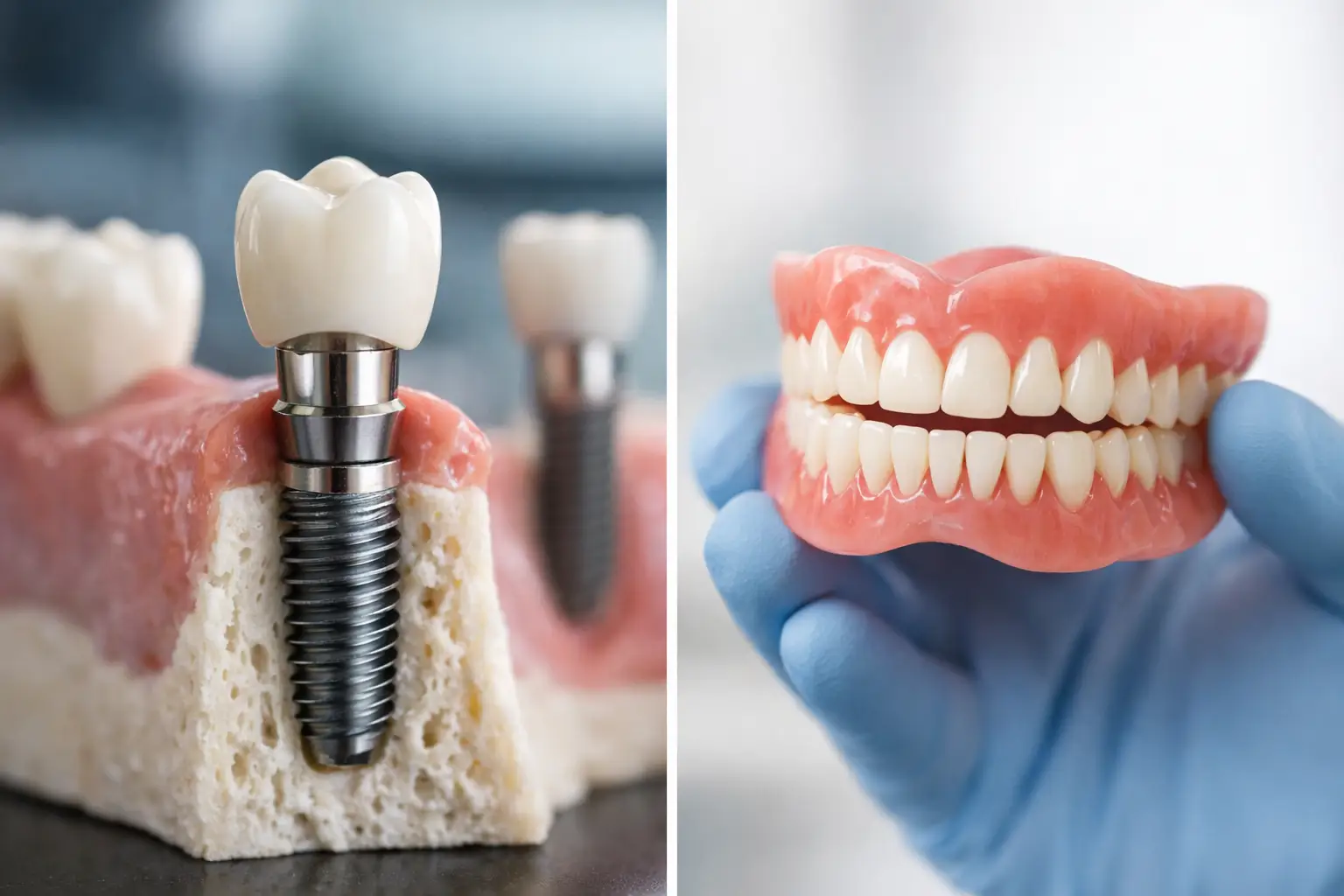
The lower upfront cost is not the only consideration. After an extraction, nearby teeth can gradually shift into the space, and the opposing tooth may over-erupt. A missing tooth can also affect chewing and, in some areas of the mouth, your smile. Replacing the tooth with a bridge, dental implant, or partial denture may be worth discussing as part of the longer-term cost of care.
That does not mean every missing tooth must be replaced immediately. The right timing depends on where the tooth is located, your bite, your oral health, your budget, and your personal goals. Your dentist can help you prioritize urgent treatment first and plan restorative care at a pace that works for you.
When extraction should not wait
Call a dentist promptly if you have facial swelling, severe or worsening tooth pain, pus or a bad taste around the tooth, fever, difficulty swallowing, or trouble breathing. Swelling that affects breathing or swallowing requires immediate emergency medical attention.
A knocked-out or badly broken tooth also needs prompt assessment. In some cases, early care can preserve the tooth or prevent the problem from becoming more serious. Avoid placing aspirin directly on the gum or tooth, as it can burn soft tissue. If swelling is present, use a cold compress on the outside of the face and follow the advice of your dental professional.
Questions to ask about your extraction estimate
Before proceeding, it is reasonable to ask whether the extraction is expected to be simple or surgical, whether X-rays and local anaesthetic are included, and whether sedation is recommended. Ask what your insurance or CDCP coverage may contribute, what portion may remain your responsibility, and whether a replacement tooth should be planned for later.
You can also ask what recovery is likely to involve. Most patients experience tenderness and some swelling for several days, particularly after a surgical or wisdom tooth extraction. Following aftercare instructions, eating softer foods initially, avoiding smoking, and keeping the area clean can support normal healing and reduce the risk of complications such as dry socket.
DentiFlow Dentistry can assess the cause of your pain, explain your extraction options in plain language, and provide a personalized estimate before planned treatment. If a tooth is troubling you now, arranging an examination early can often mean fewer surprises, clearer choices, and a more comfortable path back to eating and smiling with confidence.