A severe toothache at bedtime, a broken tooth during lunch, or a child’s knocked-out tooth at practice can make it difficult to know what to do first. This emergency dental triage guide helps Thornhill families assess the situation, protect the mouth from further harm, and arrange the right level of care without unnecessary delay.
Dental emergencies are not all the same. Some need immediate hospital attention, some need a dentist as soon as possible, and others can be managed comfortably until the next available appointment. The key is to focus on symptoms, not just what the tooth looks like.
Start with safety: when to go to the emergency department
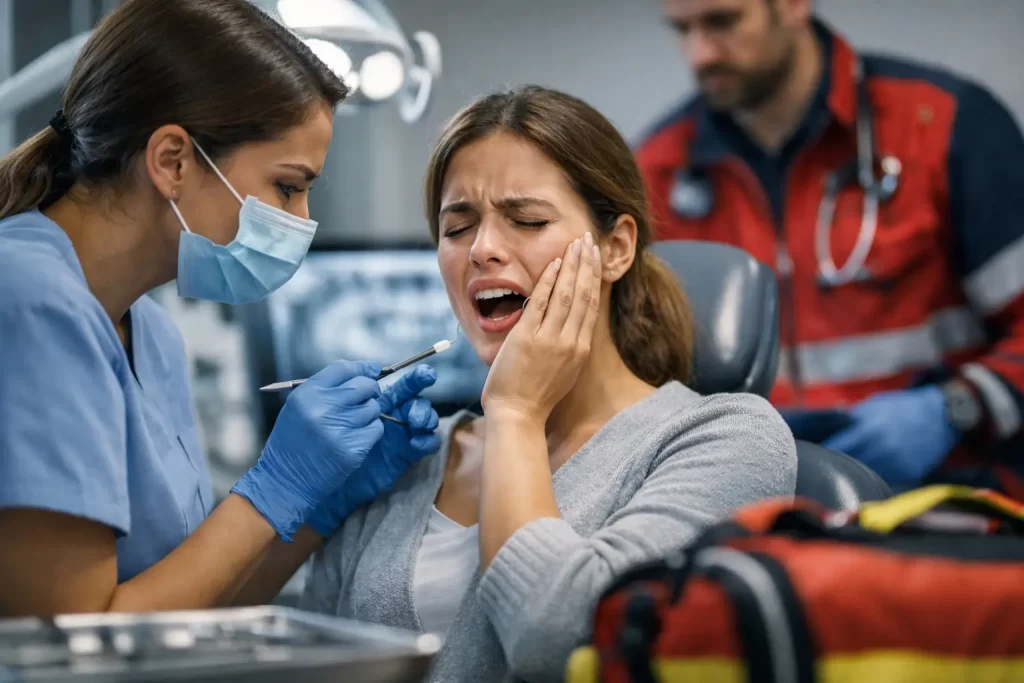
A dental office is the right place for most tooth pain, broken teeth, lost restorations, and dental injuries. However, certain symptoms may signal a broader medical emergency. Call 911 or go to the nearest emergency department if there is trouble breathing or swallowing, swelling that is spreading into the face, jaw, neck, or around an eye, uncontrolled bleeding, or a significant facial or jaw injury.
These situations can require urgent medical support to protect the airway, control bleeding, or assess a possible fracture. Do not wait to see whether rapidly increasing swelling settles on its own, especially if it is accompanied by fever, confusion, or difficulty opening the mouth.
For every other concern, contact a dental clinic promptly. An urgent dental assessment can identify whether pain comes from infection, a cracked tooth, an exposed nerve, gum injury, or another problem that needs treatment rather than temporary pain relief alone.
Emergency dental triage guide: assess the urgency
Severe pain, swelling, or signs of infection
A constant, throbbing toothache, pain when biting, facial swelling, a bad taste in the mouth, or fever can point to a dental infection. Infection does not always cause obvious swelling at first, and pain may briefly lessen if the tooth nerve stops responding. That does not mean the problem has resolved.
Contact a dentist the same day when pain is intense, swelling is present, or symptoms are worsening. Treatment may involve draining an infection, restoring the tooth, root canal therapy, or extraction, depending on the condition of the tooth. Antibiotics are not a stand-alone solution for most dental infections and should only be prescribed when clinically appropriate.
While waiting for care, rinse gently with warm salt water and use a cold compress on the outside of the cheek for swelling. Take acetaminophen or ibuprofen only as directed on the package and only if it is safe for you based on your medical history. Do not place aspirin, alcohol, or pain medication directly on the gums. These can burn soft tissue and make the area more painful.
A knocked-out permanent tooth
A knocked-out adult tooth is one of the most time-sensitive dental emergencies. Find the tooth, holding it by the crown, which is the chewing surface visible in the mouth. Avoid touching the root. If it is dirty, rinse it very gently in milk or clean running water for a few seconds without scrubbing it.
If the person is alert and able, carefully place the tooth back into its socket and have them bite gently on clean gauze or cloth to hold it in place. If reinserting it is not possible, keep the tooth moist in cold milk or inside the cheek of a cooperative older child or adult. A tooth-preservation solution may also be used if available. Seek emergency dental care immediately, ideally within 30 to 60 minutes.
Do not try to reinsert a baby tooth. This can damage the developing permanent tooth beneath it. Instead, control bleeding with gentle pressure and arrange a dental assessment, especially if there is a cut, loose neighbouring tooth, or concern about a jaw injury.
A cracked, chipped, or broken tooth
A chip may be painless, but a deeper fracture can expose the sensitive inner part of the tooth. Rinse the mouth with warm water, save any broken pieces if you can find them, and avoid chewing on that side. A cold compress can help with discomfort or swelling after an injury.
Book prompt care if the tooth is sharp, painful, sensitive to temperature, or visibly fractured. A small chip may be repaired with bonding, while a larger break may need a filling, crown, or root canal treatment. Leaving a fractured tooth untreated can allow bacteria to enter and can turn a manageable repair into a more complex problem.
A lost filling, crown, bridge, or denture damage
A lost filling or crown is usually not a hospital emergency, but it deserves timely attention. The exposed tooth can be sensitive and more likely to fracture. Keep the crown if you have it, rinse it gently, and bring it to the appointment. Avoid chewing sticky or hard foods on that side.
Temporary dental repair material from a pharmacy may help cover a sharp edge for a short period. Do not use household glue to reattach a crown or repair a denture. These products are not safe for use in the mouth and can interfere with proper treatment.
Bleeding gums, mouth sores, or a loose tooth
Bleeding after flossing or brushing is often linked to gum inflammation rather than an emergency. Continue gentle brushing and flossing, and arrange a routine visit if it continues. Bleeding that will not stop after 10 to 15 minutes of steady pressure with clean gauze, however, needs urgent advice.
A loose adult tooth after a fall, sports injury, or biting incident should be assessed quickly, even if it does not hurt. Do not test it repeatedly or try to push it back into place. Mouth sores that last more than two weeks, grow, bleed easily, or do not heal should also be examined.
What to do before your urgent dental appointment
Clear information helps the dental team prioritize care. Note when the pain or injury started, whether there is swelling or fever, and what makes the pain worse or better. If a child is involved, mention their age, whether they are able to drink fluids, and whether they may have hit their head.
Keep food choices soft and avoid very hot, cold, sweet, crunchy, or sticky foods around the affected area. If there is bleeding, use clean gauze and apply steady, gentle pressure. For a facial injury, use a wrapped cold pack for short intervals. Do not apply heat to suspected infection or swelling unless a clinician has advised it.
If you take blood thinners, have diabetes, are pregnant, have a weakened immune system, or have had recent surgery, let the clinic know when you call. These details can affect how quickly you should be seen and which medications or procedures are appropriate.
Why waiting can make a dental emergency harder to treat
Many people put off dental care when symptoms come and go. Unfortunately, dental problems rarely heal without treatment. A cavity can reach the nerve, a small crack can spread below the gumline, and an infection can become more painful or swell unexpectedly.
Early care can also preserve more of the natural tooth. A prompt examination may mean a simpler filling or protective crown instead of extraction. For a knocked-out or loosened tooth, timing can make a major difference to the chance of saving it.
At DentiFlow Dentistry, urgent concerns are approached with the same focus as ongoing family care: understanding the cause, relieving discomfort, and explaining the next steps clearly. If you are unsure whether your symptoms are urgent, it is better to call and describe them than to wait and hope they pass. A calm, timely conversation can help you get the right care and protect your smile.