
A conversation can feel much closer than usual when you are worried about your breath. Mints may cover the issue briefly, but they rarely address what causes bad breath in the first place. Persistent bad breath, also called halitosis, is often linked to bacteria in the mouth, though dry mouth, gum concerns, dental problems, certain foods, and some health conditions can also play a role.
The reassuring part is that bad breath is usually manageable once the source is identified. A professional dental examination and hygiene cleaning can help distinguish a temporary issue from a concern that needs treatment.
What causes bad breath most often?
Most ongoing bad breath begins in the mouth. Naturally occurring bacteria feed on food particles, plaque, dead cells, and proteins left around the teeth, gums, and tongue. As they break these materials down, they release sulphur compounds with an unpleasant smell.
Brushing is essential, but toothbrush bristles do not reach every surface. Bacteria can remain between teeth, at the gumline, in cavities, and especially on the back of the tongue. This is why someone can brush twice daily and still notice that their breath is not as fresh as they expect.
Bacteria on the tongue
The tongue has small grooves and a textured surface that can hold bacteria and debris. A white or yellowish coating is not always a sign of illness, but it can contribute to odour. Gently cleaning the tongue with a tongue scraper or toothbrush as part of daily oral care can make a meaningful difference.
Be gentle rather than aggressive. Scrubbing hard can irritate the tongue and does not replace cleaning between the teeth or scheduling regular dental hygiene visits.
Plaque, tartar, and gum disease
Plaque is a sticky bacterial film that forms continually on teeth. If it is not removed with brushing and daily flossing or interdental cleaning, it can harden into tartar. Tartar cannot be brushed away at home and may irritate the gums.
Bleeding gums, tenderness, swelling, recession, or a persistent bad taste can point to gingivitis or more advanced gum disease. Bad breath associated with gum disease often does not improve for long with mouthwash alone because bacteria may be collecting below the gumline. Professional hygiene care and a tailored treatment plan address the underlying buildup.
Cavities and failing dental work
Tooth decay can trap food and bacteria, particularly when a cavity is deep or located between teeth. A cracked filling, worn crown, or loose restoration can create spaces where plaque builds up as well. In some cases, an infected tooth or dental abscess can cause a strong taste or odour alongside toothache, swelling, sensitivity, or fever.
Do not wait for pain if you suspect a dental problem. Some cavities and gum concerns progress quietly, and earlier treatment is generally simpler than treating a more advanced infection.
Dry mouth can make breath worse
Saliva is one of the mouth’s natural cleaning systems. It helps rinse food particles away, limits bacterial growth, and balances acids. When saliva flow drops, bacteria and debris stay in the mouth longer, making bad breath more likely.
Dry mouth can happen overnight, which explains why morning breath is common. Mouth breathing, snoring, dehydration, smoking or vaping, alcohol, caffeine, and some medications can all contribute. Antihistamines, certain antidepressants, blood pressure medications, and other prescriptions may reduce saliva flow for some people.
Frequent sips of water, sugar-free gum containing xylitol, and limiting tobacco can help stimulate or protect saliva. If dry mouth is persistent, severe, or causing difficulty eating, speaking, or wearing dentures, mention it at your dental visit. Your dentist can review practical options and advise whether a conversation with your physician is appropriate.
Food, drinks, and lifestyle factors
Garlic, onions, coffee, alcohol, and strongly spiced foods can temporarily change the smell of your breath. These odours do not always stay only in the mouth. Certain food compounds can enter the bloodstream and be released through the lungs as you breathe, so brushing right after a meal may not remove the smell entirely.
Skipping meals and very low-carbohydrate diets may also cause a distinct breath odour for some people. When the body uses fat for energy, it produces ketones, which can create a fruity or acetone-like smell. This can be temporary, but a sudden fruity breath odour combined with extreme thirst, frequent urination, nausea, or fatigue needs urgent medical attention, particularly for people with diabetes.
Smoking and vaping can leave a lingering smell while also drying and irritating oral tissues. They raise the risk of gum disease and can reduce a person’s ability to notice their own breath. Stopping tobacco use supports fresher breath, healthier gums, and overall health.
Dentures, retainers, and appliances need daily care
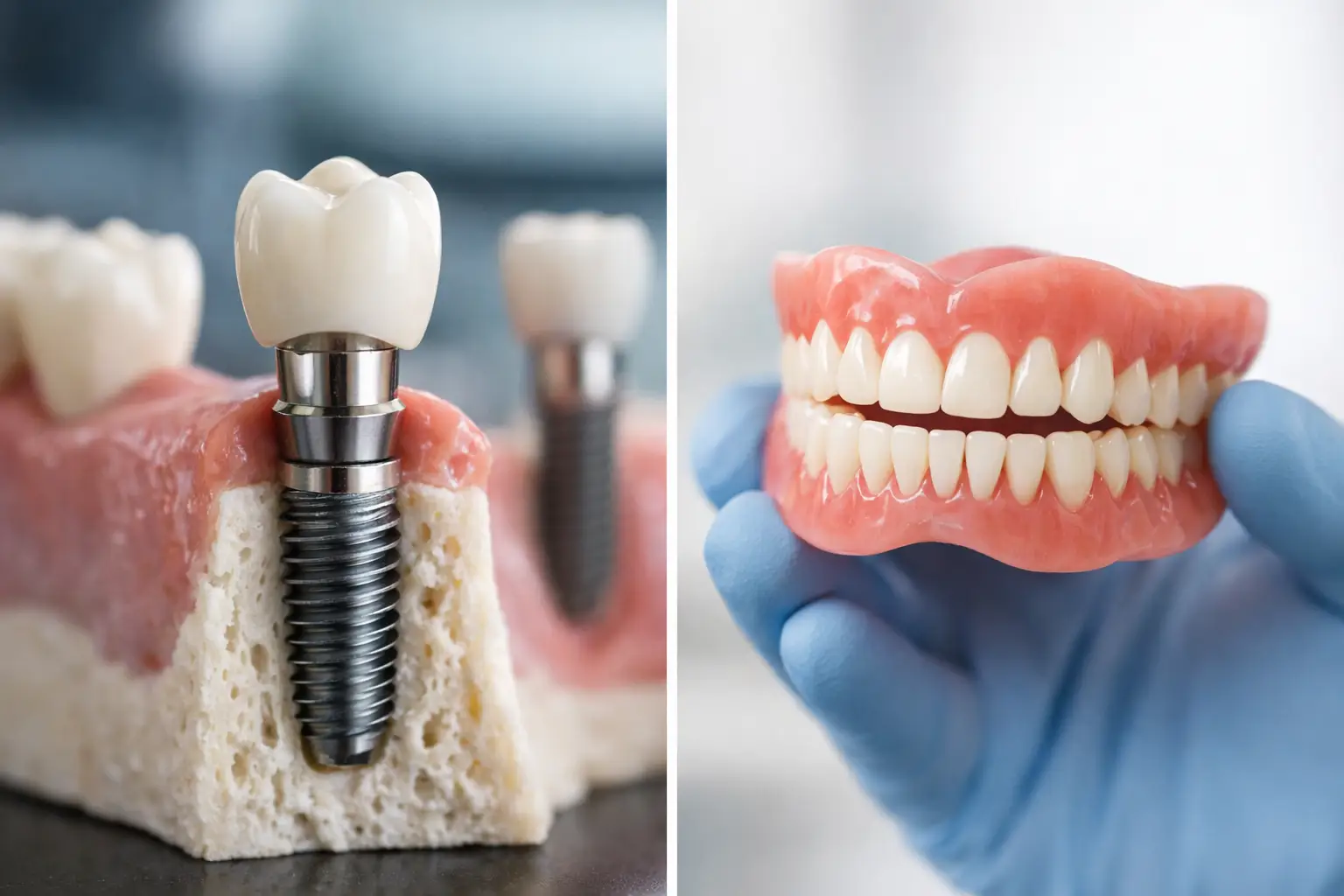
Removable dentures, retainers, night guards, and clear aligners can collect plaque, food particles, and fungi if they are not cleaned properly. Wearing a dirty appliance can transfer bacteria back onto the teeth and gums, even after brushing.
Dentures should be removed and cleaned daily using products recommended for dentures. Retainers and guards should be rinsed after use and cleaned as directed by your dental team. Never use very hot water on removable appliances, as heat can warp them. If a denture no longer fits well, food may collect underneath it, causing irritation and odour.
Can bad breath come from somewhere other than the mouth?
Yes, although oral causes are much more common. Post-nasal drip from allergies or sinus concerns can leave mucus at the back of the throat, where bacteria can contribute to an unpleasant smell. Tonsil stones, which are small deposits that can form in tonsil crevices, may also cause recurrent bad breath or a persistent sensation of something in the throat.
Acid reflux can create a sour taste or breath odour for some people. Less commonly, ongoing bad breath may be associated with medical conditions affecting blood sugar, the kidneys, liver, or respiratory system. A dental assessment is still a sensible first step when the cause is unclear because many cases are connected to oral bacteria, gum health, or dry mouth. If your mouth appears healthy but the issue continues, your dentist may recommend follow-up with a physician.
How to improve bad breath at home
A consistent routine helps reduce the bacteria that cause most breath odour. Brush for two minutes twice a day with fluoride toothpaste, clean between your teeth once daily, and clean your tongue gently. Replace your toothbrush or brush head about every three months, or sooner if the bristles are worn.
Mouthwash can be useful, but choose it carefully. Alcohol-containing rinses may leave some people with a drier mouth. An antimicrobial or fluoride rinse may be recommended depending on your oral health needs, but it should support brushing and interdental cleaning rather than replace them.
Drink water regularly, particularly after coffee or meals. If you use gum or mints, sugar-free options are preferable. Sugary mints can feed the bacteria that contribute to plaque and tooth decay. Avoid trying to mask persistent bad breath with strong products while ignoring bleeding gums, pain, or a loose restoration.
When should you see a dentist for bad breath?
Book a dental appointment if bad breath lasts longer than a couple of weeks despite consistent home care, or if it returns quickly after brushing. You should also arrange an assessment for bleeding or swollen gums, tooth sensitivity, toothache, a bad taste, loose teeth, dry mouth, or problems with a denture or dental appliance.
Seek urgent dental care for facial swelling, severe pain, pus, fever, or difficulty swallowing or breathing. These can be signs of a spreading dental infection and should not be managed with mouthwash or pain medication alone.
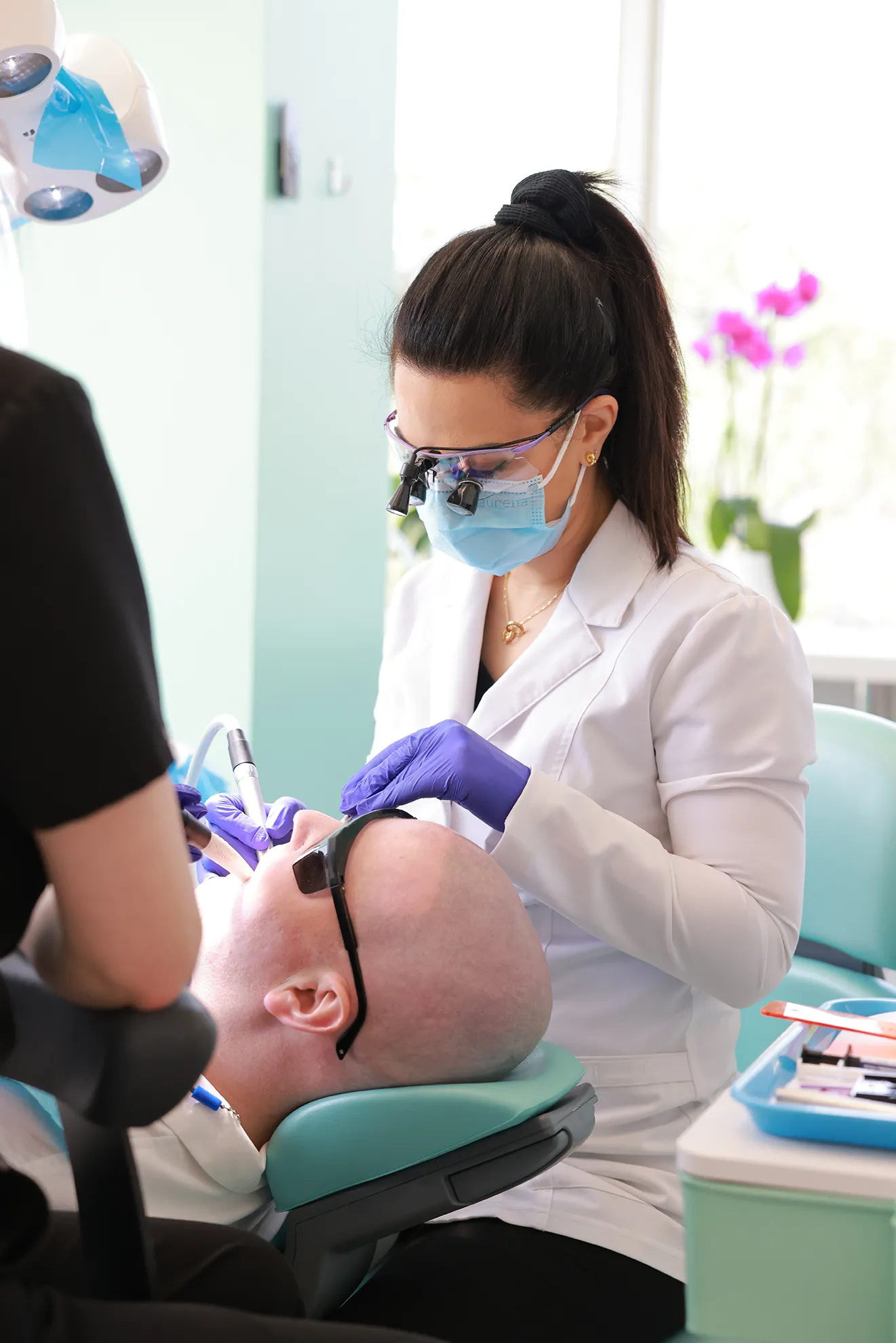
At DentiFlow Dentistry, a checkup can include an assessment of your teeth, gums, tongue, restorations, and oral hygiene routine. If professional cleaning or treatment is needed, your care can be planned around the cause rather than simply covering the symptom. Fresh breath often starts with a small, practical step: give persistent changes the attention they deserve and arrange care before they become harder to manage.