
A child’s cleaning, a cracked crown, or a sudden toothache can become a much bigger concern when you are unsure what your dental plan will pay. For families across Thornhill and the GTA, Canadian dental coverage trends are making care more accessible for many people, while also creating new questions about eligibility, co-payments, annual limits, and appointment planning.
The practical takeaway is encouraging: more Canadians may have a path to dental care than in years past. But coverage is not the same as fully paid treatment. Understanding how public programs, workplace benefits, and clinic fees work together can help you make decisions with fewer surprises.
Canadian Dental Coverage Trends Are Expanding Access
The biggest recent shift is the Canadian Dental Care Plan, commonly called the CDCP. It has broadened access for eligible Canadians who do not have private dental insurance and meet the program’s income and residency requirements. For seniors, children, adults with disabilities, and other qualifying residents, this can make routine visits and needed treatment more financially manageable.
That matters because dental concerns rarely stay small when they are left alone. A checkup can identify early decay before it becomes a painful infection. A professional cleaning can help manage gum inflammation. A filling completed promptly may prevent the need for root canal therapy or a crown later.
The CDCP is a public benefit program, not a conventional insurance plan. It covers certain services according to its own rules, fee schedule, frequency limits, and clinical requirements. Some treatments may require preauthorization, particularly when care is more complex. The amount covered can also depend on household income, and patients may have a co-payment or other out-of-pocket cost.
For patients, the best approach is to confirm coverage before treatment begins. Bring your CDCP information to your appointment and ask the dental team to explain the expected cost for the care being recommended. A participating clinic can help clarify the administrative side, but eligibility and final coverage decisions remain with the program.
Private Dental Plans Still Matter, but Benefits Vary
Employer-sponsored dental benefits remain the main source of coverage for many working adults and families in Ontario. These plans can be very helpful, especially for preventive care, fillings, crowns, and other common services. Yet two people with plans from the same insurer may not have the same level of coverage.
A plan is shaped by the employer’s chosen benefit package. One plan may cover cleanings twice a year, while another has a shared annual maximum for examinations, hygiene visits, fillings, and major treatment. Some plans reimburse a percentage of the fee, such as 80 per cent for basic care and 50 per cent for major restorative work. Others set limits for orthodontics, night guards, implants, or cosmetic services.
This is why an insurance card alone does not tell the full story. Before booking extensive care, it helps to know whether your plan has an annual maximum, whether it follows the current provincial fee guide or an older guide, and whether a deductible applies. If you are planning a crown, bridge, denture, or another larger treatment, a pre-treatment estimate may provide a clearer picture of your anticipated reimbursement.
Direct insurance billing can reduce the paperwork burden for patients. It does not guarantee that the insurer will cover every charge, but it can make payment simpler by allowing the clinic to submit eligible claims directly. You remain responsible for any balance not paid by the plan.
Why the gap between coverage and fees can feel larger
Dental fees change over time as clinical materials, technology, staffing, infection prevention standards, and operating costs change. Meanwhile, many benefit plans have annual maximums that have not increased at the same pace. This can leave patients paying more themselves, even when they have maintained the same workplace coverage for years.
The gap is often most noticeable with major restorative treatment. For example, a plan may contribute toward a crown but not cover the entire amount. That does not mean the treatment is unnecessary. It means the decision should consider the tooth’s condition, your oral health goals, alternatives, expected longevity, and your budget.
A clear treatment discussion should never feel rushed. Ask what happens if treatment is delayed, whether there are more than one clinically appropriate options, and how each option may affect function and cost. In some cases, staged care is possible. In others, especially when pain, infection, or a fractured tooth is involved, prompt treatment is the safer choice.
Prevention Is Becoming a More Practical Financial Strategy
As coverage becomes more varied, preventive care is not simply a routine item to check off. It is one of the most dependable ways to avoid unexpected treatment needs. Regular exams and hygiene appointments allow a dentist to monitor cavities, gum health, bite changes, worn restorations, and signs of oral disease before symptoms become disruptive.
This does not mean every patient needs the same recall schedule. Someone with healthy gums and low cavity risk may need a different schedule than a patient with active gum disease, dry mouth, frequent decay, diabetes, orthodontic appliances, or several crowns and implants. Your dentist and hygienist can recommend an interval based on your needs rather than a one-size-fits-all rule.
For parents, it is also worth reviewing children’s benefits early in the plan year. Children often need preventive visits, fluoride treatment, sealants, fillings, or orthodontic assessments at different stages of development. Planning these appointments before benefits renew can make the family calendar and budget easier to manage.
What CDCP and Insurance Coverage May Not Include
Patients sometimes assume that any dental service recommended by a dentist will be covered by their plan. Coverage is a financial arrangement, not a clinical diagnosis. A treatment can be appropriate and still be partly covered or excluded.
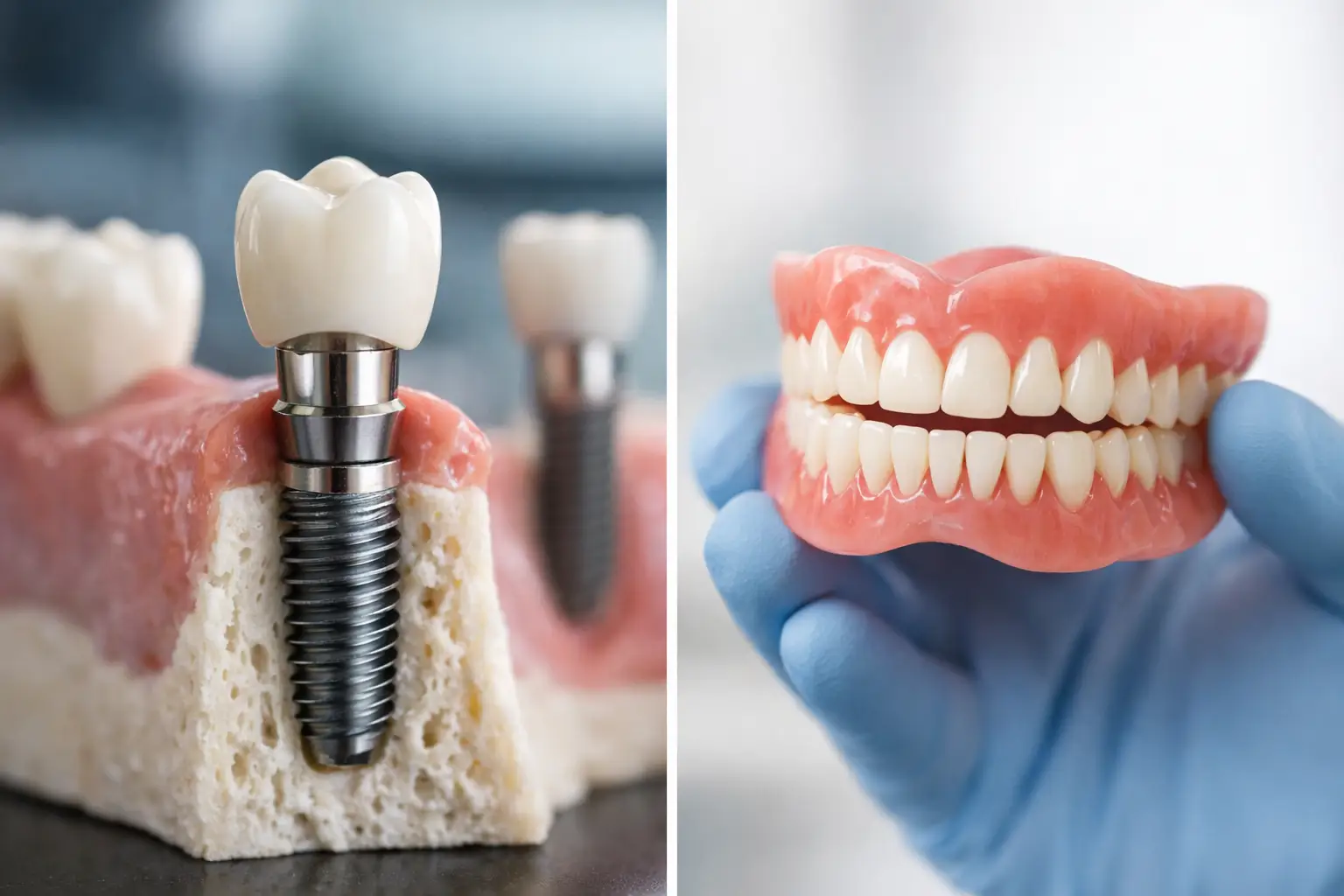
Cosmetic whitening is commonly an out-of-pocket expense. Cosmetic bonding may be limited when it is performed mainly to improve appearance rather than restore damage or function. Dental implants, certain advanced procedures, and replacement options may have restricted coverage depending on the plan or public program. Even where a service is covered, frequency rules can apply.
Emergency care is another area where prompt communication is useful. If you have swelling, severe pain, a knocked-out tooth, a broken tooth, or a lost restoration, seeking care should come first. The clinic can then help you understand the likely costs and claim process. Waiting for a benefit year to reset is rarely a good strategy when infection or significant pain is present.
How to Make Coverage Work Better for Your Family
A few habits can make dental expenses more predictable. Keep your insurer or CDCP information current, review your plan’s annual maximum and renewal date, and tell the dental team if your employment or coverage has changed. If two family members have separate plans, coordination of benefits may allow claims to be submitted to both plans when permitted.
For treatment beyond routine preventive care, ask for a written estimate and a plain-language explanation of your options. This is particularly helpful for crowns, bridges, dentures, root canal treatment, implants, and extensive restorative work. Knowing the expected patient portion before you proceed gives you time to consider timing and payment arrangements without delaying necessary care.
If you have not seen a dentist in some time because coverage felt confusing or unavailable, start with an examination. A complete assessment gives you a realistic view of your oral health and lets the team prioritize what needs attention now, what can be monitored, and what can be planned for later. At DentiFlow Dentistry, patients can receive support with direct billing and CDCP participation while receiving preventive, restorative, cosmetic, and urgent dental care in one local clinic.
Dental coverage will continue to change, but your next step can stay simple: book the visit you need, bring your benefit information, and ask questions before treatment begins. Clear answers and regular care are often the best way to protect both your smile and your budget.