A tooth that feels fine can still be developing a problem. Tooth decay often begins quietly, with early mineral loss in the enamel that may not cause pain or be visible in the mirror. By the time a tooth becomes sensitive to cold, sweet foods, or biting pressure, the decay may have progressed beyond its earliest stage.
The reassuring part is that decay is largely preventable, and early treatment is usually simpler than waiting for a toothache. Regular dental visits give your dentist the opportunity to identify small changes before they interrupt work, school, meals, or sleep.
What tooth decay is and how it develops
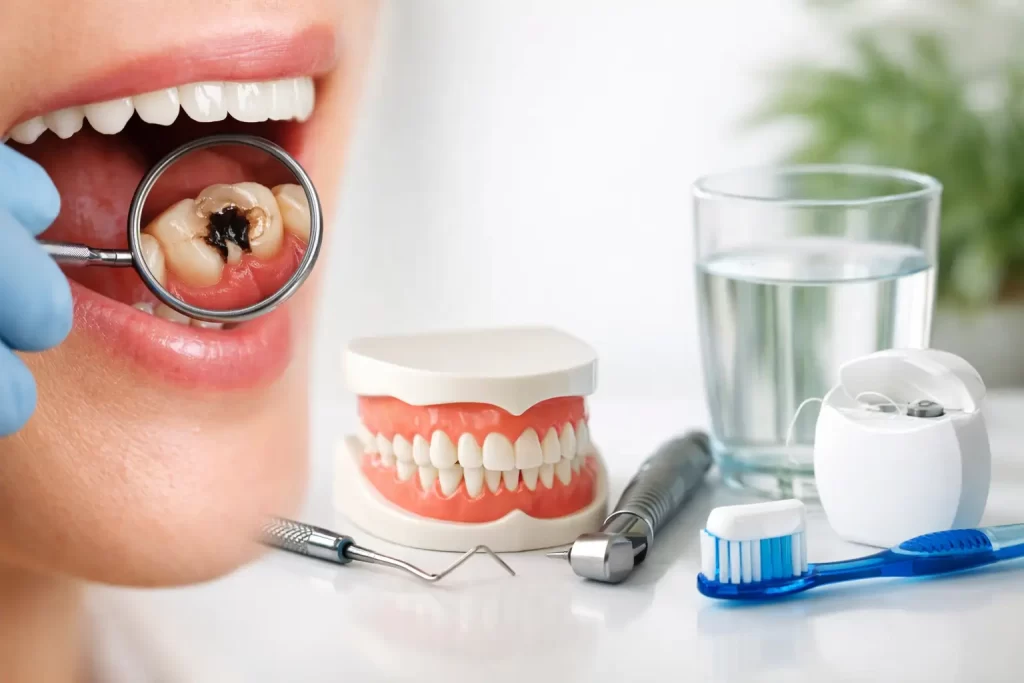
Tooth decay, commonly called a cavity, happens when bacteria in dental plaque use sugars and starches from food and drinks to produce acids. These acids repeatedly soften the outer layer of the tooth, known as enamel. Saliva and fluoride can help repair early acid damage, but frequent acid attacks can outweigh that repair process.
Plaque is a soft, sticky film that builds up every day, especially along the gumline, between teeth, and around existing fillings or crowns. It is not only candy that contributes to decay. Crackers, bread, dried fruit, sweetened coffee, juice, sports drinks, and frequent snacking can all give plaque bacteria another source of fuel.
The timing of eating and drinking matters as much as the amount. Sipping a sweetened drink throughout the afternoon exposes teeth to acid more often than having it with a meal. Water is a practical choice between meals, particularly when brushing is not possible.
As decay moves through enamel into the softer layer beneath it, called dentin, it can spread more quickly. Untreated decay may eventually reach the pulp inside the tooth, where nerves and blood vessels are located. At that point, pain, infection, or swelling can occur, and treatment may require root canal therapy, a crown, or in some cases extraction.
Early signs of tooth decay to watch for
Not every cavity causes obvious symptoms, which is why examinations and dental X-rays can be valuable. Still, changes in your mouth deserve attention. Sensitivity to cold, heat, sweets, or pressure may be an early warning. You may notice a rough area, a visible dark spot or small hole, food repeatedly catching in the same place, or floss shredding between two teeth.
A persistent toothache, pain when chewing, swelling near a tooth, a bad taste, or a pimple-like bump on the gums can indicate a more urgent issue. These symptoms should not be managed by simply avoiding that side of the mouth. Dental infections can worsen and spread, so prompt assessment is the safer choice.
Children may not always describe sensitivity clearly. A child who avoids chewing, complains that food is “too cold,” has trouble sleeping, or becomes upset during brushing may need a dental check. Baby teeth matter because they support eating, speech development, and space for permanent teeth.
Why cavities can develop despite brushing
Brushing twice a day is a strong foundation, but it is not the only factor. Decay risk can rise when plaque remains between teeth, when brushing is rushed, or when someone frequently eats or drinks sugary or acidic products. A toothbrush cannot clean effectively between tightly touching teeth, so flossing or another dentist-recommended interdental cleaner is part of daily prevention.
Dry mouth is another common contributor. Saliva helps wash away food particles and neutralize acids. Certain medications, mouth breathing, dehydration, medical conditions, and some cancer treatments can reduce saliva flow. If your mouth regularly feels dry, especially at night, tell your dental team. The right approach may include reviewing your home-care routine, hydration habits, fluoride use, and products designed to support dry-mouth comfort.
Gum recession can also expose root surfaces. Roots do not have the same protective enamel covering as the crown of the tooth, making them more vulnerable to root decay. This is especially relevant for older adults, but it can affect adults of any age.
How dentists treat decay
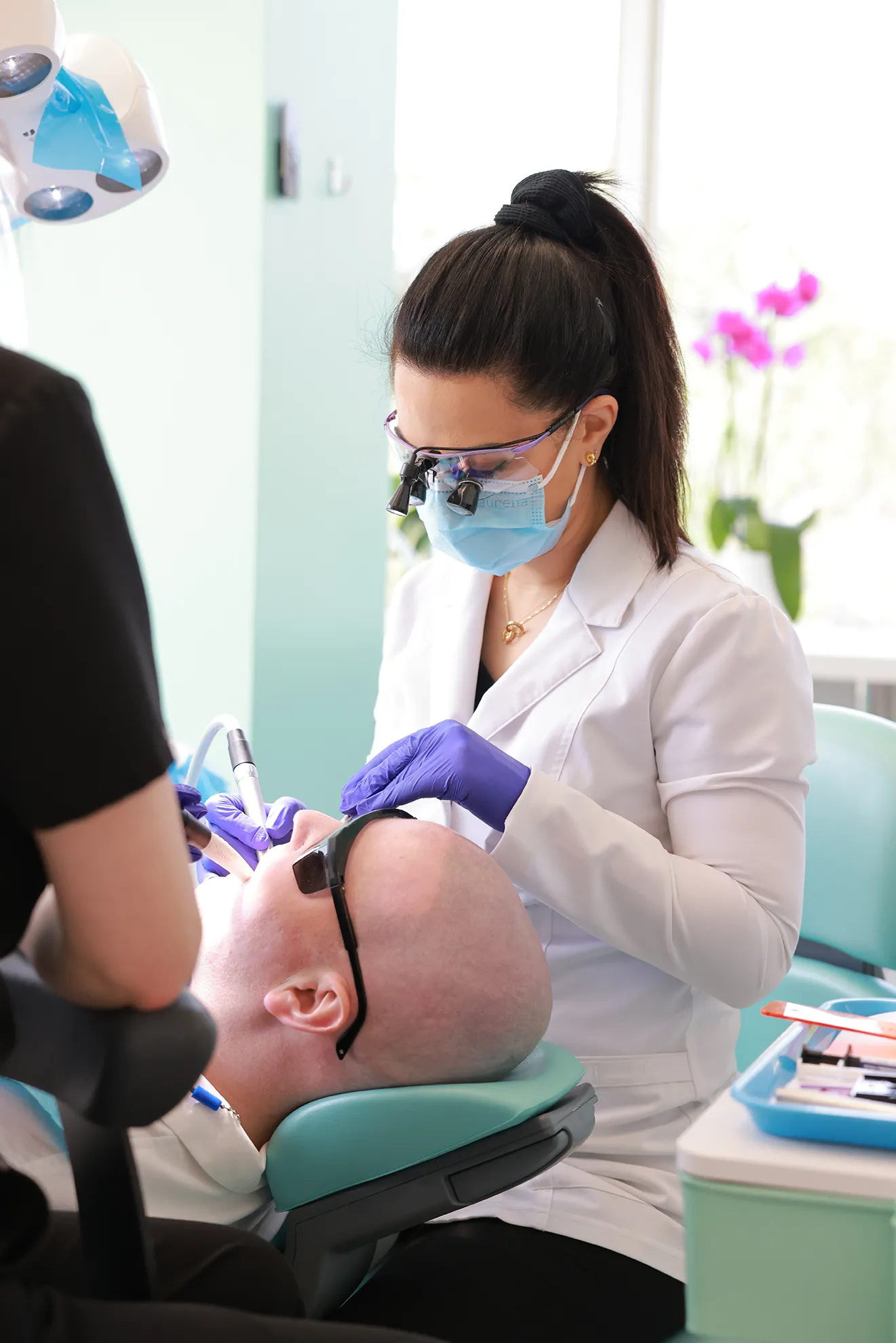
Treatment depends on how far the decay has progressed and how much healthy tooth structure remains. A dentist will assess the tooth, review any symptoms, and may take X-rays to see areas that cannot be examined directly.
Very early enamel changes may sometimes be managed without drilling. Professional fluoride treatments, prescription-strength fluoride where appropriate, and targeted changes to brushing and eating habits can help strengthen weakened enamel. Whether this is suitable depends on the location and depth of the affected area, as well as your overall cavity risk.
When a cavity has created a hole in the tooth, a filling is often the most conservative repair. The decayed material is removed and the tooth is restored with a durable filling material. If decay or a fracture has weakened a larger portion of the tooth, a crown may provide better protection.
When bacteria reach the pulp, root canal therapy can remove infected tissue while preserving the natural tooth. A crown is frequently recommended afterward for back teeth or significantly weakened teeth. If a tooth cannot be predictably restored, extraction may be necessary. Your dentist can discuss replacement options, including bridges, dentures, or dental implants, based on your needs, health, timeline, and budget.
There is no one-size-fits-all treatment. A small filling may be appropriate for one tooth, while a tooth with deep decay, cracks, or repeated breakdown around an old restoration may need more extensive care. Addressing decay earlier generally preserves more natural tooth structure and can reduce the complexity of treatment.
Everyday habits that lower cavity risk
Consistent routines make the greatest difference. Brush for two minutes twice daily with a fluoride toothpaste, using a soft-bristled toothbrush and gentle pressure at the gumline. Spit after brushing rather than rinsing immediately with water, so fluoride can remain on the teeth longer.
Clean between your teeth once a day. Traditional floss works well for many people, while floss picks, interdental brushes, or water flossers can be helpful in certain situations. The best option is the one you can use carefully and consistently, though your dental team may recommend a specific tool for braces, bridges, implants, or larger spaces between teeth.
Try to keep sugary foods and drinks with meals rather than grazing throughout the day. Limit sweetened beverages, and choose water more often between meals. Chewing sugar-free gum after eating may help stimulate saliva for some people, but it does not replace brushing and flossing.
For infants and young children, avoid putting a child to bed with a bottle containing milk, formula, juice, or other sweetened drinks. Water is the safer bedtime choice once it is appropriate for the child. Parents can begin gently cleaning gums before teeth appear and start brushing with a small amount of fluoride toothpaste as advised for the child’s age.
When to book an appointment
Book a dental appointment if you have sensitivity that lasts, a visible change in a tooth, recurring food trapping, or a lost filling. It is also wise to arrange routine examinations and hygiene appointments even when your mouth feels healthy, since early decay can be missed without a professional assessment.
Seek urgent dental care for severe or worsening pain, facial swelling, fever, swelling that affects swallowing or breathing, or an injury that breaks or knocks out a tooth. Swelling involving breathing or swallowing requires immediate emergency medical attention.
For families in Thornhill and nearby communities, DentiFlow Dentistry can help assess tooth concerns, provide preventive care, and discuss restorative options in clear, practical terms. Direct insurance billing and participation in the Canadian Dental Care Plan may help make care easier to arrange, although individual coverage and eligibility can vary.
A small change in a tooth is worth checking before it becomes a disruption. Booking care when symptoms first appear can help protect your comfort, preserve your natural tooth, and keep your next meal from becoming the reason you finally call the dentist.