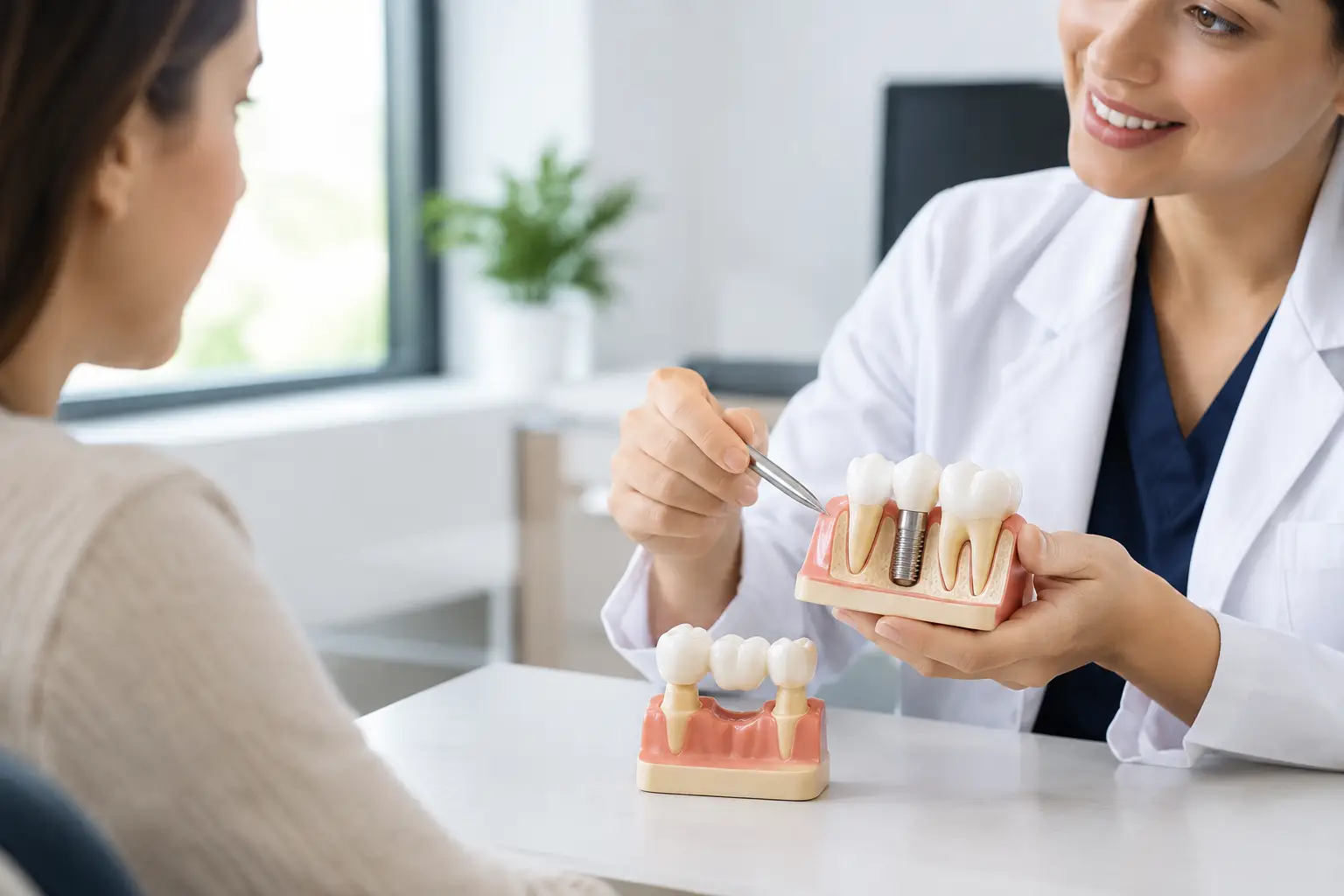

A new crown is meant to make a damaged tooth feel strong and comfortable again, so pain can be worrying. If you are wondering why a crown hurts, the answer may be as simple as a bite that needs a small adjustment, or it may point to an issue underneath the crown that needs prompt care. The timing, type, and severity of the discomfort all matter.
Some tenderness after a crown procedure can be expected. Persistent pain, swelling, or pain that is getting worse should not be ignored. A dentist can examine the crown, the tooth beneath it, and the surrounding gums to find the cause before a minor concern becomes more complicated.
Why a Dental Crown Hurts After Placement
A crown appointment involves more than placing the final restoration. The tooth is shaped, impressions or digital scans are taken, and the tooth may wear a temporary crown before the permanent one is cemented. Each step can leave the tooth and nearby gum tissue sensitive for a short time.
Normal short-term sensitivity
It is common to notice mild sensitivity to cold, heat, or pressure for several days after receiving a crown. The tooth’s inner nerve can be temporarily irritated by the preparation process, especially if the tooth had a large filling, a deep crack, or significant decay beforehand. Gum tenderness can also occur if the gums were gently moved during treatment.
This sensitivity should gradually improve, not intensify. Choose softer foods for a few days, chew on the other side when possible, and use a toothpaste made for sensitive teeth if your dentist recommends it. Over-the-counter pain medication may help when taken only as directed and when it is appropriate for your health history.
The crown may be sitting slightly high
One of the most common reasons for pain when biting is a crown that meets the opposing tooth a little too soon. Even a very small difference can put extra force on one tooth every time you close your mouth, chew, or clench. The tooth may feel bruised, tender to pressure, or as though it is the first tooth to touch.
This is usually straightforward to correct. Your dentist checks your bite using marking paper and carefully adjusts the crown if needed. Do not try to wait out pronounced bite pain, as ongoing pressure can inflame the ligament around the tooth and make the discomfort worse.
The tooth nerve may be inflamed
A crown protects the outside of a tooth, but it cannot always prevent changes inside the tooth. If decay, trauma, a deep fracture, or extensive previous dental work has irritated the nerve, inflammation may develop before or after the crown is placed.
Pain from nerve inflammation may be sharp, lingering, spontaneous, or triggered by hot and cold drinks. Some people find that the pain wakes them at night or continues long after the temperature trigger is gone. In these cases, root canal treatment may be needed to remove the inflamed or infected tissue while preserving the natural tooth and crown whenever possible.
There may be decay or a gap at the crown edge
A crown does not make a tooth immune to future decay. Bacteria can collect at the edge where the crown meets the natural tooth, particularly when plaque is not removed thoroughly or when a crown becomes loose, worn, or damaged over time. Decay beneath a crown may not hurt at first, which is why regular examinations and X-rays remain valuable.
If decay reaches deeper layers of the tooth, it can cause sensitivity, pain, or infection. Treatment depends on how much healthy tooth structure remains. Early care may allow the crown to be replaced after the tooth is treated; more advanced damage can require root canal treatment or, in some cases, extraction and replacement options.
Why an Older Crown Can Start Hurting
A crown that felt fine for years can become painful for different reasons than a recently placed crown. Crowns are durable, but they experience daily chewing forces and can eventually show wear around the edges. The tooth, gums, and bite can also change over time.
A cracked crown or a crack in the remaining tooth can produce pain when chewing, especially when releasing your bite. Grinding or clenching may contribute to this problem and can also cause jaw soreness, headaches, or visible wear on other teeth. If you grind at night, a custom night guard may be part of protecting your crown and natural teeth after the immediate issue is addressed.
Gum recession can expose a small area of natural root near the crown margin. This often causes brief cold sensitivity rather than severe pain, but it still deserves an assessment. Sensitive root surfaces, gum inflammation, and food trapped around a crown can often be managed with targeted hygiene guidance and appropriate treatment.
Sometimes the painful tooth is not actually the crowned tooth. Sinus congestion can create pressure in upper back teeth, while pain from a neighbouring tooth can be difficult to pinpoint. A careful dental examination is the safest way to identify the true source rather than assuming the crown itself has failed.
When Crown Pain Needs Urgent Dental Care
Contact a dentist promptly if crown pain is severe, lasts more than a few days without improving, or makes it difficult to eat or sleep. A crown that is loose, chipped, cracked, or completely off should also be assessed soon. Keep the crown if it has come off, but do not use household glue to put it back in place.
Seek urgent dental care if pain is accompanied by facial swelling, a pimple-like bump on the gums, fever, a bad taste in the mouth, or trouble opening your mouth. These signs can be associated with an infection that needs timely treatment. Trouble breathing or swallowing, rapidly spreading swelling, or swelling around the eye requires emergency medical attention.
Until you are seen, avoid chewing on the affected side and avoid very hot, cold, hard, or sticky foods. Gentle brushing and flossing are still necessary, but be careful around a loose crown. Rinsing with warm salt water may soothe irritated gums, though it will not treat an infection or correct a damaged restoration.
What Your Dentist Will Check
A crown assessment is focused on finding the reason for your discomfort, not simply replacing the crown by default. Your dentist will ask when the pain began, what triggers it, whether it lingers, and whether you have noticed swelling, grinding, or a change in your bite.
The examination may include checking the crown margins, gums, bite, and neighbouring teeth. X-rays can help reveal decay beneath the crown, changes around the root, or problems in nearby teeth that are referring pain. Depending on the findings, treatment may be a simple bite adjustment, a repair, replacement of the crown, gum care, root canal therapy, or another appropriate option.
There is a practical trade-off in waiting. A mild bite issue is often easy to adjust, while an untreated infection or deep decay can become more painful and more complex. On the other hand, not every brief twinge after crown placement means something is wrong. The key is whether symptoms are settling as expected or signalling that the tooth needs attention.
Looking After a Crown Between Visits
Crowns need the same daily care as natural teeth. Brush twice a day with fluoride toothpaste and clean between your teeth every day, paying special attention to the gumline around the crown. This helps prevent the decay and gum inflammation that can start at the crown margin.
Avoid using teeth to open packages or bite hard objects, and let your dentist know if you clench or grind. Regular checkups allow small changes in a crown, bite, or gum health to be found early. For families in Thornhill and nearby communities, DentiFlow Dentistry can assess new or ongoing crown discomfort and explain the treatment options clearly.
A painful crown is not something you need to guess your way through. If the discomfort is persistent, worsening, or affecting everyday activities, arrange a dental assessment so you can get back to eating, speaking, and smiling comfortably.