
A denture that once felt secure can gradually start to move, rub, or make everyday meals harder. Because these changes often happen slowly, many people adapt without realizing that a better fit may be possible. So, when should dentures be replaced? The answer depends on their condition, your oral tissues, and how well they still support comfortable eating, speaking, and smiling.
Most dentures last several years with attentive care, but they are not designed to last forever. Your gums and jawbone naturally change over time, while the acrylic teeth and base can wear down with daily use. A regular dental assessment can determine whether a repair, adjustment, reline, or new denture is the most appropriate next step.
When Should Dentures Be Replaced Rather Than Repaired?
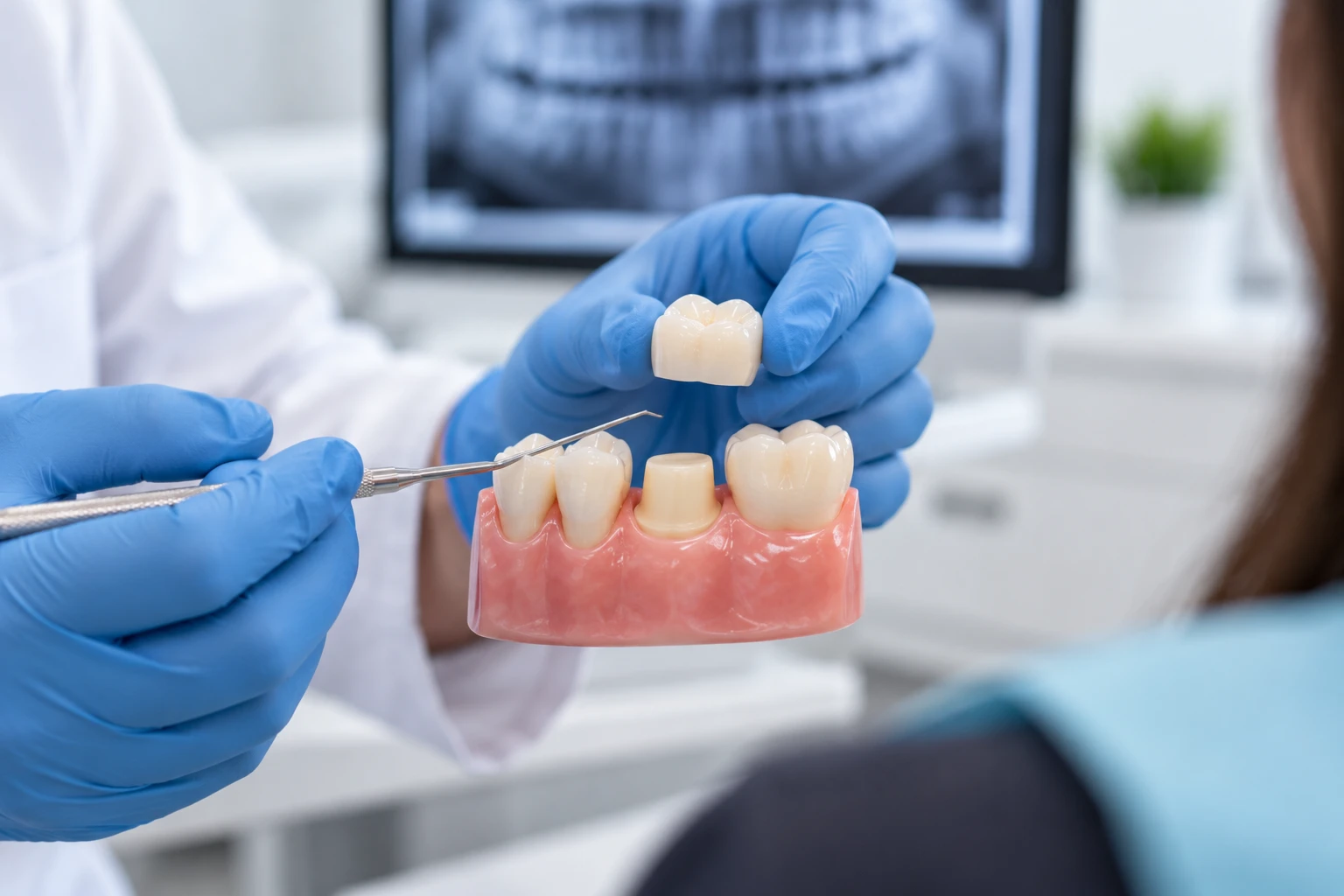
A small crack, a loose tooth in the denture, or a minor sore spot does not automatically mean you need a new appliance. In many cases, a dentist can make a repair or adjustment. A denture reline may also restore the fit by reshaping the inside surface to match changes in your gums.
Replacement is more likely when the denture is extensively worn, repeatedly breaking, no longer fitting properly, or unable to provide a natural bite. As a general guide, full and partial dentures are often replaced every five to 10 years. That range is not a deadline. Some people need attention sooner because of significant gum or bone changes, while others can use their dentures longer with professional maintenance.
Trying to extend the life of an ill-fitting denture can create avoidable discomfort. It may also affect nutrition if you begin avoiding firmer foods, or cause you to hold back in conversations because you are worried the denture will shift.
7 Signs Your Dentures May Need Replacing
1. They slip, click, or lift while you eat or speak
A little movement can occur with some dentures, particularly lower full dentures. However, frequent slipping, clicking, or lifting is not something you should have to simply tolerate. It can indicate changes in the shape of your gums and underlying bone, or wear in the denture itself.
A reline may be enough if the denture is otherwise in good shape. If the teeth are worn or the base is damaged, a replacement may offer a more reliable result.
2. You have recurring sore spots or gum irritation
Pressure points can cause red, tender areas on the gums. If you remove your denture and notice sores, swelling, or pain that keeps returning, book a dental visit rather than filing or adjusting the denture at home.
Persistent irritation deserves timely care. Besides making the denture difficult to wear, it can hide other oral health concerns that need examination.
3. The denture is cracked, warped, or repaired repeatedly
Dentures can crack after being dropped, but damage may also develop from normal stress over time. A professional repair can be a sensible option for a clean, isolated break. When cracks recur, the base has warped, or repairs are becoming frequent, the material may no longer be stable enough for dependable use.
Never use household glue to fix dentures. These products are not safe for your mouth and can make a professional repair more difficult.
4. The teeth look flat, worn, or discoloured
Denture teeth wear down gradually. As they become flatter, they may not meet as they once did, which can reduce chewing efficiency and change the appearance of your smile. Deep stains or a dull, aged appearance can also be difficult to improve with cleaning alone.
Cosmetic concerns are valid, but worn teeth are not only an appearance issue. A changed bite can place uneven pressure on the gums, jaw joints, and remaining natural teeth.
5. Eating has become more difficult
Dentures do not feel exactly like natural teeth, but you should still be able to enjoy a varied, nourishing diet. If you are avoiding vegetables, fruit, meat, or other foods you used to manage comfortably, the denture fit or bite may be contributing.
Do not assume this is simply part of getting older. A dentist can assess whether an adjustment, reline, replacement, or a different restorative option could improve function.
6. Your face or bite seems different
Dentures help support the lips and cheeks. When they no longer provide the right support, you may notice a more sunken appearance around the mouth or changes in how your lips rest. You might also find that your jaw feels tired, your bite feels uneven, or you are closing your teeth differently.
These changes can develop as the jawbone remodels after tooth loss. New dentures can be designed to restore appropriate facial support and bite height when the existing set has become too worn.
7. Your dentures are more than five years old and have not been checked
Age alone does not determine whether dentures must be replaced, but it is a useful prompt to arrange an examination. Even a denture that feels acceptable can have wear, small fractures, or fit changes that are not obvious at home.
Regular visits also allow your dentist to examine your gums, tongue, cheeks, and any remaining teeth. Denture wearers still need routine oral health care, whether they have full dentures, partial dentures, or implant-supported dentures.
Why Denture Fit Changes Over Time
After natural teeth are lost, the bone that once supported them gradually changes shape and volume. The gums over that bone change too. Your denture, however, keeps its original shape. This is why a denture that fitted well several years ago can eventually feel loose, even if it has been carefully cleaned and stored.
Weight changes, certain medical conditions, medications that cause dry mouth, and changes to remaining teeth can also affect comfort and stability. For partial dentures, a new cavity, worn crown, or shifting natural tooth can alter the way the appliance fits.
Dentures can also collect plaque and yeast if they are not cleaned thoroughly. This may contribute to irritation, odour, or denture stomatitis, an inflammation of the tissues beneath the denture. Cleaning helps, but it cannot correct a denture that no longer fits your mouth.
What Happens at a Denture Assessment?
A denture assessment is straightforward and focused on your comfort. Your dentist will ask about eating, speech, movement, sore areas, and how long you have had the denture. They will examine the appliance for wear or damage and check the health of your gums, bite, and any remaining teeth.
From there, the recommendation may be a simple adjustment, a reline, a repair, or replacement. If you are considering a new denture, impressions and bite records are used to create an appliance that suits your mouth and facial appearance. There can be a short adjustment period with any new denture, but ongoing pain or instability should be reviewed rather than endured.
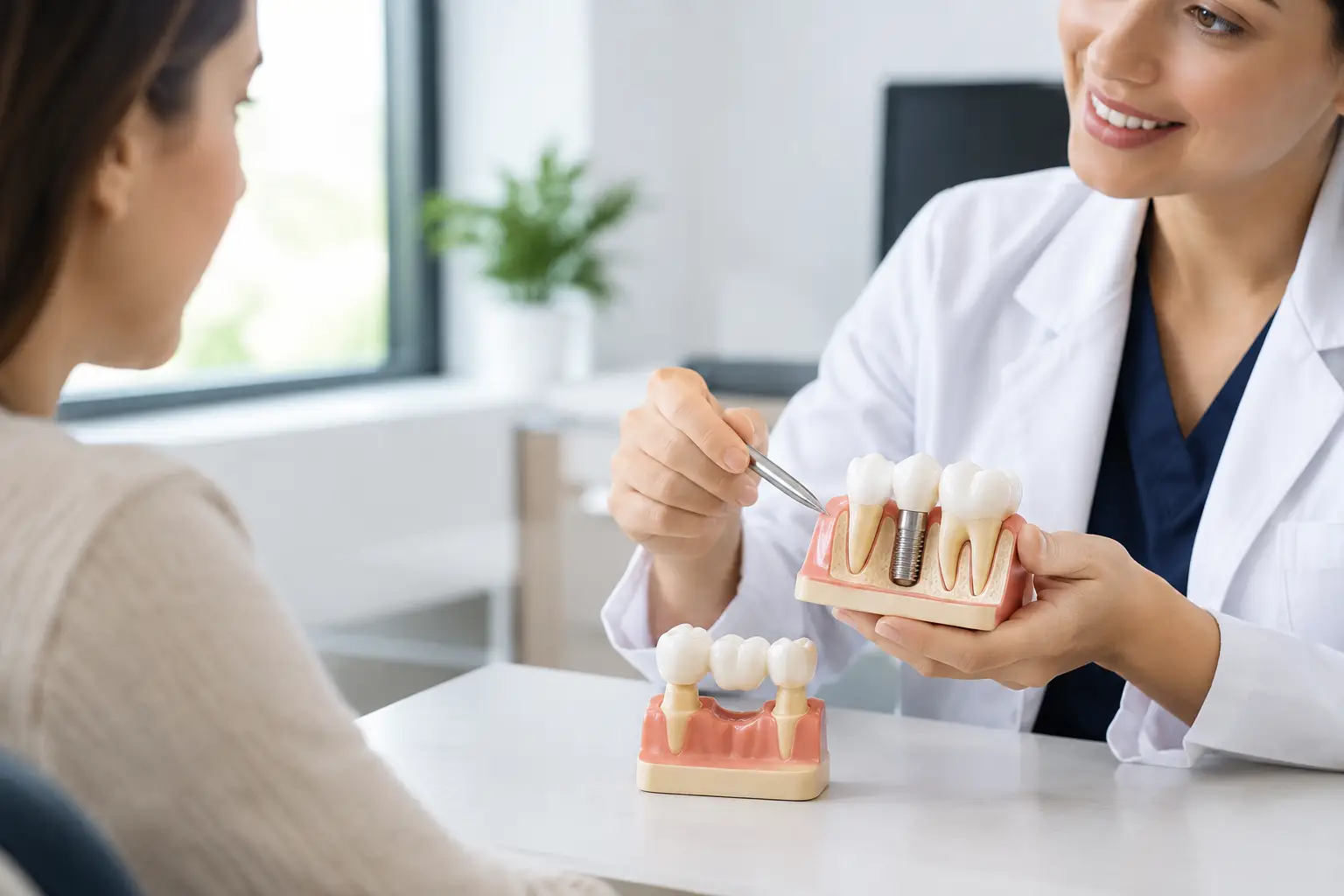
For some patients, implant-supported dentures may also be worth discussing. Implants can improve stability, especially for lower dentures, but they involve surgery, healing time, and different costs. The right choice depends on your health, bone availability, goals, and budget.
Looking After New or Existing Dentures
Remove and rinse dentures after meals when possible, brush them daily with a soft denture brush and a non-abrasive cleaner, and keep them safely stored when not in use. Unless your dentist advises otherwise, remove them overnight to give your gums time to rest. Avoid hot water, which can distort the base.
Adhesive can offer short-term confidence for some people, but it should not be used to compensate for a loose or painful denture. If you need increasing amounts of adhesive to keep it in place, arrange an assessment.
If your dentures are rubbing, moving, or making meals less enjoyable, you do not need to wait for them to break. A visit to DentiFlow Dentistry can clarify what is causing the problem and help you return to a comfortable, confident routine.