Teeth that don’t fully erupt or grow in at an angle often cause pain or infection and may need removal.

At DentiFlow Dentistry in Thornhill, we offer gentle and precise dental extractions when a tooth is too damaged or infected to be restored. Whether due to decay, trauma, crowding, or gum disease, our team ensures your extraction is done safely, comfortably, and with a clear plan for healing and future restoration. We prioritize conservative care, but when removal is necessary, you’ll be in trusted hands.


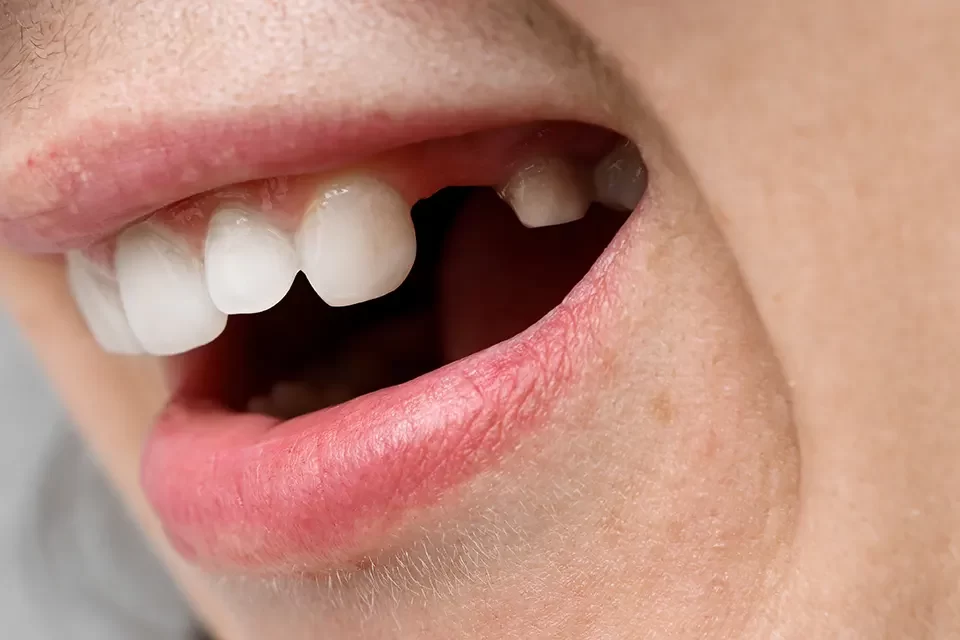
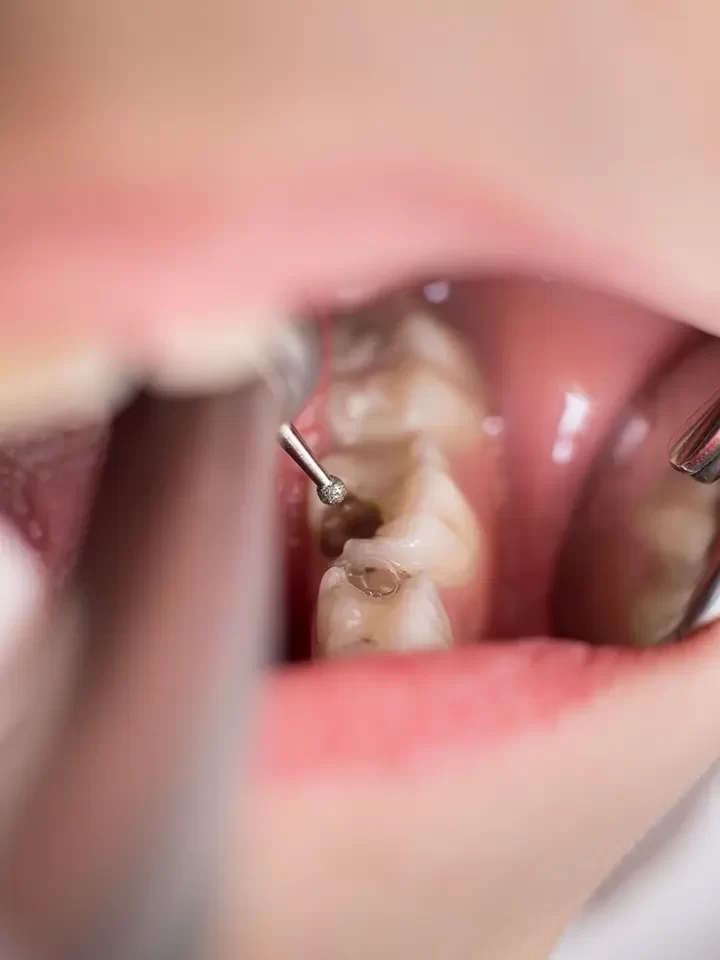
A dental extraction is the removal of a tooth from its socket in the jawbone. This may be needed when a tooth cannot be saved due to severe decay, infection, bone loss, or impaction (as with wisdom teeth). Extractions can be simple or surgical depending on the tooth’s condition, and they are always performed with local anesthesia to ensure patient comfort.
Removing an infected or damaged tooth stops the spread of bacteria and relieves ongoing pain.
Our team provides detailed post-extraction care instructions for a faster, more comfortable recovery.
Taking out a decayed or impacted tooth prevents damage to neighboring teeth and supporting bone.
Here’s what to expect during your extraction appointment at DentiFlow:
We begin with a full exam and digital X-rays to assess the tooth’s condition and surrounding bone.
We gently numb the area to ensure a completely pain-free procedure.
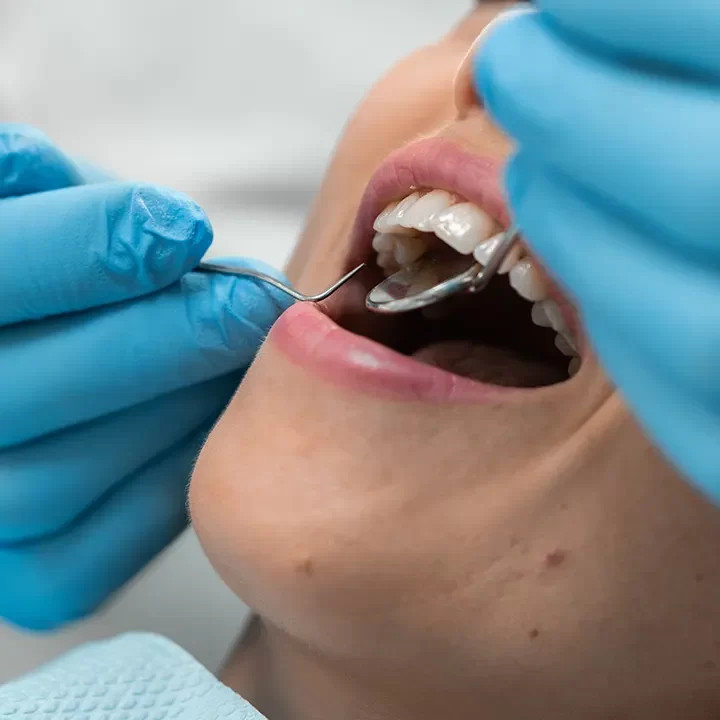
The tooth is loosened and removed using specialized instruments. In some cases, a small incision may be made for surgical extraction.
We apply gauze, review recovery instructions, and schedule a follow-up if needed to monitor healing or discuss replacement options.
If a tooth is too weak for a filling, crown, or root canal, extraction may be the best option.
Teeth that don’t fully erupt or grow in at an angle often cause pain or infection and may need removal.
Periodontal disease can loosen teeth by damaging the surrounding bone, requiring extraction in some cases.
Extractions may be necessary to create space and align teeth before starting braces or Invisalign.
After your extraction:
Bite on gauze for 30–60 minutes to stop bleeding.
Avoid spitting, drinking through straws, or smoking for at least 24 hours.
Eat soft foods and avoid hot or spicy meals during early healing.
Use a cold compress to reduce swelling.
Take any prescribed medications and follow all aftercare instructions provided.
Contact us if you notice persistent pain, swelling, or signs of infection.
Most tooth extractions are covered under general dental insurance, especially if performed for medical or therapeutic reasons. At DentiFlow, we’ll review your insurance coverage, provide cost estimates, and explain any out-of-pocket costs upfront. We also accept Canadian Dental Care Plan (CDCP) benefits and offer flexible financing options if needed.
Our experienced dentists and dental hygienists are committed to your comfort and long-term oral health.
From children to seniors, we provide complete dental care in one convenient Thornhill location.
We offer evening and weekend appointments, direct insurance billing, and personalized treatment planning.
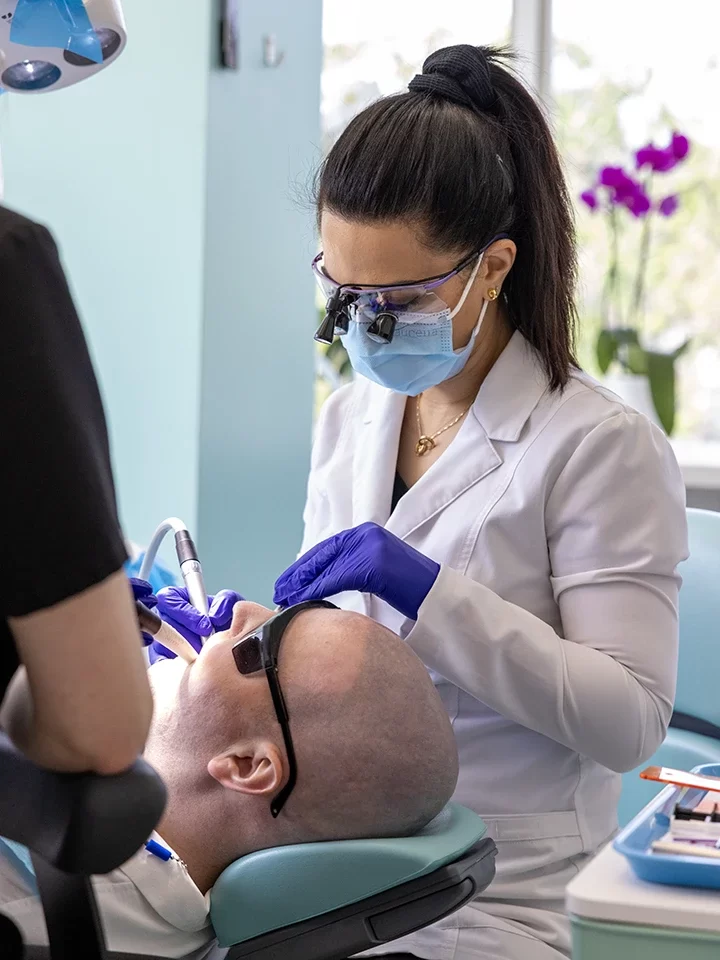
At DentiFlow Dentistry, tooth extractions are performed with a focus on comfort and long-term health. Dr. Shamin Makvandi and Dr. Sandy Dief ensure gentle, efficient care for routine extractions. For complex cases such as impacted wisdom teeth or surgical extractions, Dr. Hamed Nemati Rezvani—an experienced oral surgeon—delivers advanced care with precision and expertise.
No. We use local anesthesia to numb the area completely, and post-op discomfort is manageable with care instructions and medication.
Most patients recover within 7–10 days. Complete healing of the socket may take a few weeks.
Depending on the location, we may recommend a dental implant, bridge, or denture after healing to maintain function and appearance.
Simple extractions are done for visible, easily accessible teeth. Surgical extractions are used for impacted or broken teeth requiring more complex removal.