
A dental benefits card can make care more affordable, but it does not tell the whole story. Knowing how to use dental insurance before you book can help you avoid unexpected out-of-pocket costs, make better use of your yearly coverage, and get the treatment you need without unnecessary delays.
For many patients in Thornhill and the GTA, the confusing part is not choosing a dentist. It is understanding what their plan pays, when it pays, and why the amount can differ from what they expected. Dental insurance is a helpful benefit, but it is not the same as a full dental treatment plan. Your coverage is determined by the details of your employer, union, or private policy.
Start With Your Plan Details, Not Just Your Card
Your insurance card usually includes the provider name, your member or certificate number, group number, and the plan holder’s name. Bring it to your first appointment or provide the information when booking. This allows the dental office to submit claims accurately and check available information on your behalf.
Still, a card alone will not confirm every detail. Before treatment, review your benefits booklet or insurer’s online portal. Look for your annual maximum, deductible, coverage percentages, frequency limits, and any waiting periods. These details matter because two plans from the same insurer can cover very different amounts.
For example, one plan may pay 100% of an exam and cleaning, while another pays 80%. A crown may be covered at 50%, or it may have a separate maximum. Some plans only cover a cleaning once every six, nine, or 12 months. If you visit earlier than the plan permits, the appointment may still be clinically appropriate, but you could be responsible for more of the cost.
Understand What Dental Insurance Usually Covers
Most dental plans divide care into broad categories. Preventive services often include examinations, hygiene cleanings, X-rays, fluoride treatments, and sometimes sealants for children. Basic services can include fillings, extractions, and certain gum treatments. Major services may include crowns, bridges, dentures, root canal treatment, or periodontal treatment, depending on the policy.
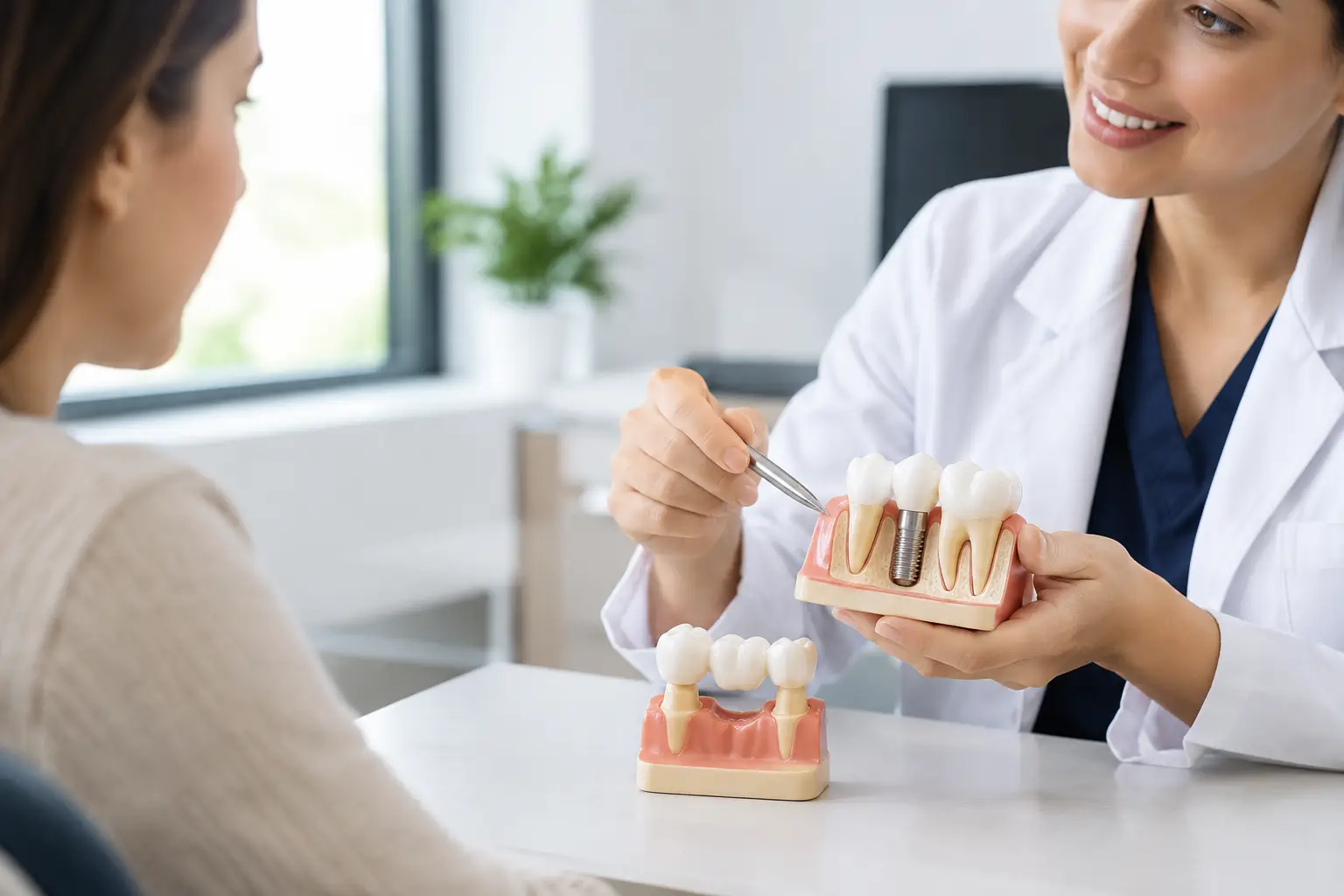
Cosmetic procedures, such as whitening, are commonly excluded. Cosmetic bonding may be covered only when there is a functional or restorative reason for treatment, rather than a purely aesthetic goal. Dental implants are also handled differently from one plan to another. Some policies offer partial coverage, some only cover related services, and others do not include implants at all.
Coverage does not determine whether a treatment is necessary. If a tooth is cracked, infected, or causing pain, your dentist will recommend care based on your oral health needs. Insurance is one factor in planning payment, not a clinical diagnosis.
The fee guide can affect your balance
Many Ontario dental plans calculate reimbursement using a fee guide. Your insurer may use the current Ontario Dental Association Suggested Fee Guide, an older guide, or its own schedule. If your plan reimburses according to an older guide, its payment may be lower than the current treatment fee.
This is one reason patients can have a remaining balance even when their plan says a service is covered at 80% or 100%. The percentage applies to the insurer’s eligible amount, which may not always match the full office fee. Your dental team can explain the estimated patient portion before proceeding whenever possible.
How to Use Dental Insurance at Your Appointment
Once the office has your benefits information, the claim process is often straightforward. At DentiFlow Dentistry, direct insurance billing can reduce the paperwork you need to manage after a visit. The clinic submits an electronic claim to the insurer, and you pay any amount that is not covered at the time of service.
Direct billing is convenient, but it is not a guarantee of payment. The insurer makes the final decision based on your plan eligibility, remaining maximum, timing limits, and policy rules. You remain responsible for any unpaid balance, including amounts declined after a claim is submitted.
For routine visits, sharing your information ahead of time gives the team more opportunity to verify coverage and discuss estimates. For an urgent concern, such as severe tooth pain, swelling, a broken tooth, or an injury, do not postpone care because you are unsure about benefits. Relief, diagnosis, and prevention of further damage come first. The office can help you understand payment options once your immediate needs are assessed.
Ask for a Predetermination for Larger Treatment Plans
A predetermination, sometimes called a pre-treatment estimate, is especially useful for services with higher costs. Your dental office sends the proposed treatment information to the insurer before treatment begins. The insurer then outlines what it expects to cover and what you may need to pay.
Predeterminations are commonly helpful for crowns, bridges, dentures, root canal therapy, periodontal treatment, and certain implant-related services. They are also useful when you have a limited annual maximum or are considering several procedures in the same year.
An insurer’s response is an estimate rather than an absolute promise. Benefits can change if your employment, eligibility, plan maximum, or policy terms change before the treatment date. Even so, a predetermination gives you a far clearer basis for deciding how and when to proceed.
Plan Around Your Annual Maximum Carefully
An annual maximum is the most your insurer will pay in a benefit year. It is not always based on the calendar year. Some plans reset on January 1, while others renew on the date your coverage began. Confirm the reset date before delaying treatment in hopes of using next year’s benefits.
If you need several treatments, there may be ways to stage care across benefit periods. This can be practical for planned restorative work that is clinically safe to schedule over time. It is not appropriate to delay treatment that risks infection, pain, tooth loss, or more complex treatment later.
Unused benefits generally do not carry forward. That does not mean you should book treatment solely to spend your maximum. It does mean regular checkups and preventive hygiene visits are worth planning, especially when they can identify small concerns before they become more costly problems.
Coordinate family coverage when possible
If you are covered through your own plan and also through a spouse or parent’s plan, you may be eligible for coordination of benefits. One plan is billed first, then the remaining eligible amount may be submitted to the second plan. This can reduce your out-of-pocket expense, though reimbursement cannot exceed the total cost of treatment.
The order of claims is set by insurance industry rules, not by whichever plan appears more generous. For adults with two workplace plans, your own plan is normally primary. For dependent children, the primary plan is often determined by the parents’ birthdays, using the month and day rather than the birth year. Ask the office if you are unsure which information to provide first.
Keep Your Coverage Information Current
Tell your dental office when you change jobs, insurers, plan numbers, or marital status. An old policy on file can cause claim delays and leave you sorting out a balance after your appointment. It is also helpful to let the team know if you are approaching your annual maximum or have received an insurer notice about frequency limits.
If you are enrolled in the Canadian Dental Care Plan, bring your current CDCP information as well. CDCP is a public dental care program, not traditional private insurance, and coverage depends on eligibility and approved services. Co-payments or additional costs may apply in some circumstances. The dental team can help explain the practical steps before your visit.
Dental benefits are easiest to use when you treat them as one part of your overall care plan. Bring your information, ask questions before larger treatment, and keep routine visits on schedule. A clear conversation with your dental team can turn insurance from an administrative worry into practical support for a healthier smile.