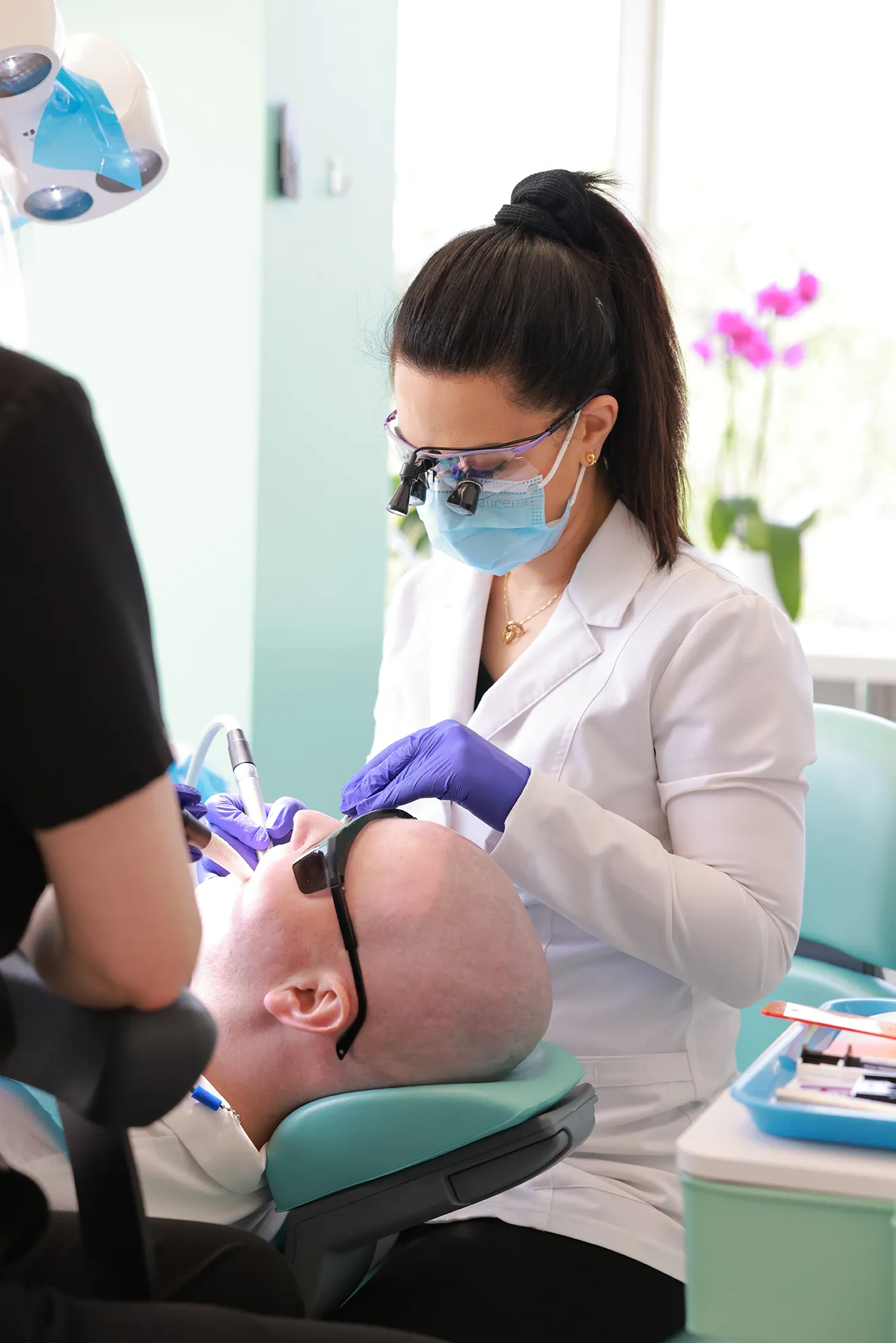

A child’s first tooth, a teenager’s sports season, a parent’s busy workweek, and a grandparent’s new denture can all bring different dental needs. Family oral health is not one routine that stays the same forever. It is a practical, ongoing plan that changes as your family grows, while keeping prevention and early care at the centre.
For families in Thornhill and nearby GTA communities, having one trusted dental home can make that plan easier to maintain. Routine visits create familiarity for children, give adults a chance to address concerns before they worsen, and help older patients protect comfort, function, and confidence.
Family oral health begins with daily habits
The most effective dental routines are usually the ones your family can repeat without a struggle. Brushing twice each day with fluoride toothpaste, cleaning between teeth daily, and choosing water more often than sugary drinks form the foundation. These habits reduce the buildup of plaque, which can lead to cavities and gum inflammation when left behind day after day.
Technique matters, but perfection is not the goal. Young children need an adult to brush or closely supervise brushing until they have the coordination to do it thoroughly on their own. For many children, that is later than parents expect. A small, soft toothbrush and a pea-sized amount of fluoride toothpaste are generally appropriate once they can spit reliably. For younger children, use only a rice-grain-sized smear.
Flossing can be awkward at first, especially when teeth are close together. Floss picks may help some families establish the habit, although traditional floss can clean more precisely when used properly. The best option is often the one a person will use consistently.
Food choices also influence oral health, but that does not mean banning every treat. Frequency tends to matter as much as quantity. Sipping sweetened coffee, juice, pop, sports drinks, or flavoured beverages over several hours exposes teeth to sugar and acid repeatedly. Saving these items for occasional meals, then drinking water afterward, is often a more realistic approach than trying to eliminate them altogether.
Dental care for babies and young children
Oral care starts before a child can brush. Wiping gums gently after feeds can help establish a routine, and parents should begin brushing as soon as the first tooth appears. A child’s first dental visit is generally recommended by their first birthday or within six months of the first tooth erupting. This early appointment is usually simple and gentle. It gives parents clear guidance on brushing, fluoride, feeding habits, and what normal development looks like.
Baby teeth deserve the same attention as permanent teeth. They help children chew, speak clearly, and hold space for adult teeth. Untreated decay can cause pain, infection, difficulty eating, and missed school days. It can also make future dental visits more stressful if a child first meets the dentist only when something hurts.
Parents should watch for white or brown spots on teeth, complaints of sensitivity, trouble chewing, or persistent bad breath. These signs do not always mean there is a serious problem, but they are worth checking. Early treatment is often simpler than waiting until discomfort becomes unavoidable.
School years and the teenage transition
As children become more independent, dental routines can become less consistent. A child may rush through brushing before school, leave their toothbrush untouched at a sleepover, or forget that flossing is still necessary even when their teeth look clean. A visible routine in the bathroom and age-appropriate reminders can help without turning every evening into a negotiation.
This is also the stage when sports-related injuries become more likely. A properly fitted mouthguard is a worthwhile layer of protection for hockey, soccer, basketball, martial arts, and other activities with a risk of contact or falls. Store-bought options can help, but a custom-made mouthguard may offer a more secure and comfortable fit for children who play regularly.
Teenagers may face new concerns, including orthodontic appliances, wisdom tooth development, diet changes, and cosmetic self-consciousness. Braces and clear aligners require more careful cleaning because food and plaque can collect around attachments and wires. Teens should also understand that whitening products and cosmetic trends seen online are not automatically suitable or safe for every smile. A dental assessment can clarify what is appropriate for their teeth and gums.
Adults need prevention that fits real life
Many adults postpone appointments because they are busy, not because they do not value their health. The issue is often scheduling, insurance questions, or the hope that a minor sensitivity will settle on its own. Unfortunately, cavities, gum disease, cracked teeth, and failing fillings rarely improve without care.
Regular examinations and professional hygiene cleanings give your dental team the chance to identify changes that are easy to miss at home. Gum disease can progress quietly, with early signs such as bleeding during brushing, tenderness, bad breath, or gums that appear to pull away from teeth. Addressing it early can help protect the bone and tissues that support your teeth.
Adults may also need restorative care at different points in life. A filling can repair a small cavity, while a crown may be recommended when a tooth is weakened by a large filling, crack, or root canal treatment. Missing teeth can affect chewing and allow neighbouring teeth to shift, but options such as bridges, dentures, and implants can restore function. The right choice depends on overall health, bone support, budget, timelines, and personal goals.
Supporting older adults with changing needs
Oral health can become more complex with age, particularly when medications cause dry mouth. Saliva helps protect teeth by rinsing away food particles and neutralizing acids. When saliva flow is reduced, the risk of cavities, gum irritation, and oral discomfort can increase.
Older adults should mention all medications and health changes during dental visits. Conditions such as diabetes can affect gum health and healing, while mobility limitations may make daily brushing and flossing more difficult. Simple adjustments, such as an electric toothbrush, a larger-handled brush, or caregiver support, can make routines more manageable.
Dentures also need regular attention. They should be cleaned daily, removed overnight unless otherwise advised, and checked periodically for fit. A denture that moves, rubs, or causes sore spots is not something a person simply has to tolerate. The mouth changes over time, and adjustments or replacement may be needed to maintain comfort.
Know when a concern cannot wait
A family dental plan should include knowing what requires prompt attention. Contact a dentist quickly for a knocked-out or broken tooth, facial swelling, a severe toothache, uncontrolled bleeding, a lost restoration causing pain, or signs of infection such as fever and swelling. A knocked-out adult tooth may sometimes be saved if handled carefully and treated quickly.
Avoid placing aspirin directly on a sore gum or tooth, as it can burn the tissue. If a tooth is knocked out, hold it by the crown rather than the root, rinse it gently if dirty, and seek urgent dental care. If it cannot be placed back into the socket safely, keep it moist in milk or saliva while travelling to the clinic.
Not every issue is an emergency, but pain is always a reason to call. A timely assessment can provide relief and prevent a manageable concern from becoming a more involved treatment.
Make dental visits easier for the whole household
Consistency is easier when dental care is convenient. Booking family members around the same time, keeping appointments on a shared calendar, and asking questions about direct insurance billing can reduce the administrative stress that causes care to be delayed. Eligible patients can also ask whether Canadian Dental Care Plan coverage applies to their treatment.
For children and anxious adults, honest, calm language helps. Rather than promising that an appointment will never feel uncomfortable, explain that the dental team will show them what is happening, listen to concerns, and take breaks when needed. Familiar visits for examinations and cleanings build trust far more easily than a first visit made during an emergency.
DentiFlow Dentistry provides preventive, restorative, cosmetic, and urgent dental care in one local setting, helping families manage routine visits and unexpected concerns without searching for separate providers.
A healthy family routine does not need to be complicated. Start with the next manageable step: replace worn toothbrushes, book an overdue checkup, ask about a child’s brushing technique, or have a lingering sensitivity assessed. Small decisions made early can protect comfort, confidence, and healthy smiles for years to come.