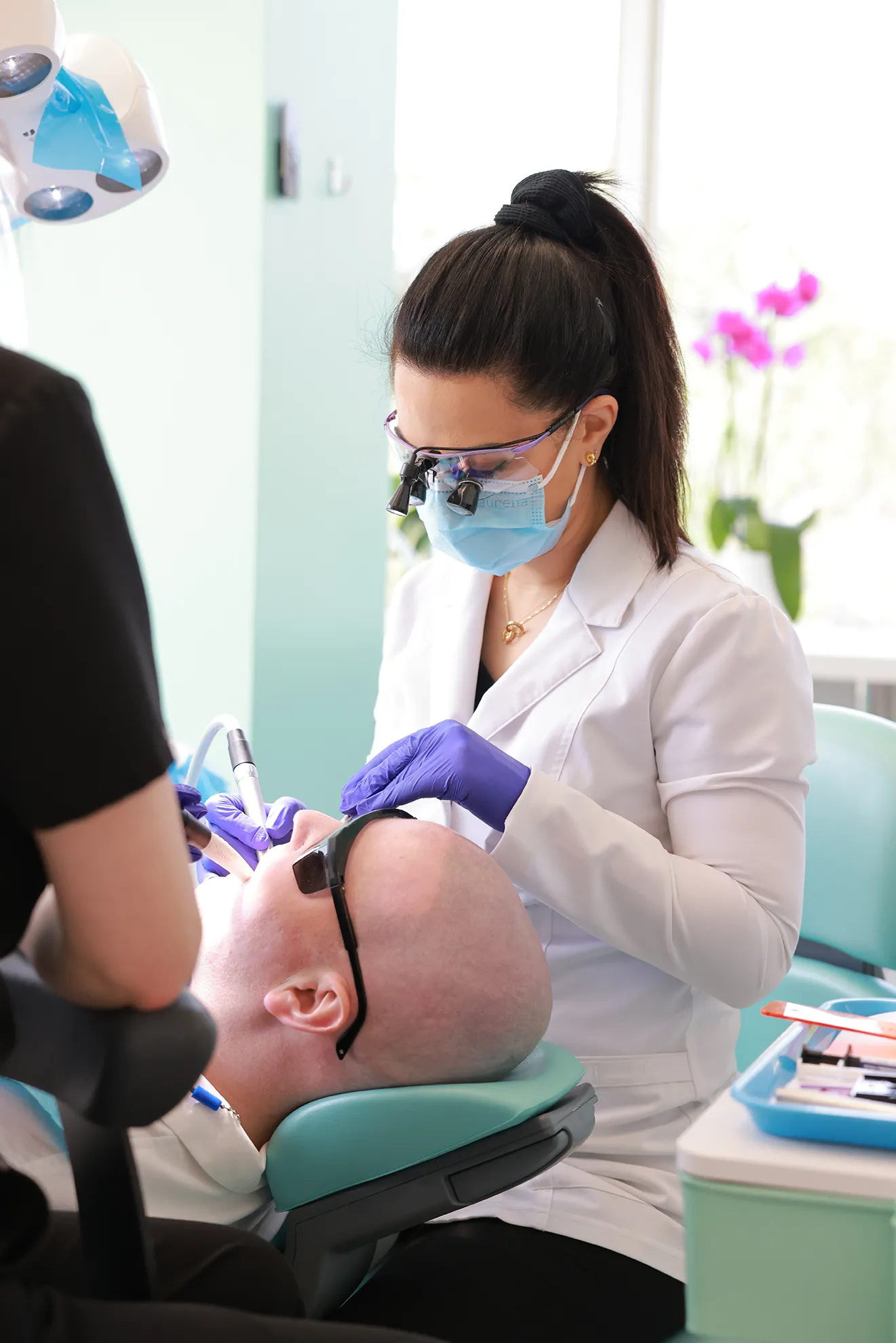

A chipped tooth during dinner, a child who is overdue for a cleaning, or a dull ache that has become hard to ignore can quickly move dental care to the top of the household list. Finding a family dentist accepting new patients gives your family a practical place to turn for routine visits, unexpected problems, and treatment that should not wait.
For families in Thornhill and nearby GTA neighbourhoods, the right clinic is not simply the one with the next open appointment. It is a dental team that can care for different ages, explain options clearly, help with the administrative side of treatment, and remain available as your needs change.
What a family dentist can manage
A family dental practice is designed to provide ongoing care rather than a one-time service. That matters when one person needs a preventive checkup, another needs a filling, and a parent is considering a crown or treatment for a painful tooth. Having these needs addressed in one familiar setting can make dental care easier to keep up with.
Routine examinations and professional hygiene cleanings are the foundation. They allow your dentist and hygienist to look for early signs of decay, gum concerns, wear, cracked restorations, or changes that may not yet be causing discomfort. Early treatment is often simpler than waiting until a small issue becomes painful or affects daily eating.
A full-service family clinic can also provide restorative treatment, including fillings, crowns and bridges, root canal therapy, extractions, dentures, and dental implants. Cosmetic services such as whitening or bonding may be appropriate when a patient wants to improve the appearance of a tooth or smile. The best option depends on your oral health, the condition of the tooth, your goals, and the amount of treatment involved.
For parents, family dentistry also means care that evolves with a child. A young patient may need help getting comfortable with regular visits, while a teen may have questions about sports-related dental injuries, brushing habits, or wisdom teeth. Adults and older adults may need more attention to gum health, existing dental work, missing teeth, or dry mouth. Continuity helps the dental team understand those changes over time.
Choosing a family dentist accepting new patients
Availability is a good starting point, but it should not be the only consideration. A dental office should make it clear how to arrange an initial appointment, what services are available, and what to do if pain or injury develops before a scheduled visit.
Convenience matters because routine care only works when it fits real life. For busy Thornhill, Vaughan, and GTA households, practical access may include online appointment booking, a local location, and a clinic that can coordinate care for more than one family member. A practice that offers a broad range of services can also reduce the frustration of being sent elsewhere for every new concern.
It is equally reasonable to ask about payment and insurance before booking. Direct insurance billing can simplify the process for patients with employer or private plans, although coverage differs by plan and treatment. If you are eligible for the Canadian Dental Care Plan, ask whether the clinic participates and whether there may be any costs not covered by your specific CDCP benefits. Clear answers before treatment help prevent surprises later.
A welcoming approach is especially valuable for patients who have delayed care due to anxiety, a difficult past experience, cost concerns, or simply a busy schedule. You do not need to arrive knowing every dental term or treatment choice. A good first visit gives you space to explain your concerns, ask questions, and understand recommended next steps without pressure.
Questions worth asking before your first visit
When contacting a new clinic, focus on information that will help you make a confident decision. You may want to confirm whether the practice sees children and adults, offers direct insurance billing, participates in CDCP, and has options for urgent dental concerns.
It can also help to ask what records or information you should bring. If you have recent X-rays, a list of medications, details of medical conditions, or information about a past dental procedure, sharing it can support safer and more informed care. If you do not have records, do not let that stop you from booking. The clinic can still assess your current oral health and advise on what is needed.
What happens at a new-patient dental appointment
The first appointment is about more than identifying cavities. It is an opportunity to build a complete picture of your oral health and the concerns that brought you in. Expect to review your health history, medications, allergies, previous dental experiences, and any current symptoms such as sensitivity, bleeding gums, jaw discomfort, or trouble chewing.
Your dentist will examine your teeth, gums, bite, and surrounding oral tissues. X-rays may be recommended when clinically appropriate to assess areas that cannot be seen during a visual examination, such as between teeth, below existing fillings, or around roots and bone. Not every patient needs the same images at every appointment. Recommendations should be based on your history, risk factors, and clinical findings.
After the assessment, the dentist should explain what is healthy, what needs attention, and what can be monitored. If treatment is recommended, ask about the purpose of the procedure, the timing, alternatives where applicable, expected costs, and what recovery may involve. Some care is urgent, such as addressing severe pain or infection. Other work may be planned in stages to suit your schedule, budget, and overall treatment priorities.
If your teeth and gums are stable, your visit may lead directly into a maintenance plan with regular hygiene appointments and examinations. The timing varies. People with healthy gums may require a different recall schedule than someone managing gum disease, frequent decay, dry mouth, or extensive restorative work.
When to book urgently instead of waiting
Not every dental concern is an emergency, but some symptoms should be assessed promptly. Contact a dental office as soon as possible if you have significant tooth pain, facial swelling, a knocked-out or broken tooth, bleeding that does not stop, a lost restoration causing discomfort, or signs of infection such as swelling, fever, or a bad taste near a tooth.
A dentist can assess the cause and provide the appropriate care, which may include a temporary repair, a filling, root canal treatment, extraction, or another solution. Waiting can allow pain and infection to worsen, and it can sometimes limit the options available to save a tooth.
For a knocked-out permanent tooth, time matters. Handle it by the crown rather than the root, gently rinse it if dirty without scrubbing, and seek dental care immediately. If there is serious facial injury, uncontrolled bleeding, difficulty breathing or swallowing, or a medical emergency, seek emergency medical assistance right away.
Making dental visits manageable for the whole family
Consistency is more useful than perfection. Book preventive visits before discomfort begins, keep the clinic updated when medications or health conditions change, and encourage children to see dental visits as a normal part of caring for themselves. Small routines at home – brushing twice daily with fluoride toothpaste, cleaning between teeth as advised, and limiting frequent sugary snacks and drinks – support the care provided in the office.
It is also helpful to be honest about what gets in the way. If you are nervous, have a strong gag reflex, need breaks during treatment, or are concerned about cost, tell the dental team early. These are common concerns, and a patient-centred clinic can discuss ways to make appointments more comfortable and manageable.
At DentiFlow Dentistry, new patients can access comprehensive care ranging from preventive hygiene visits to restorative, cosmetic, and urgent dental treatment. Whether your family is establishing care after a move, returning after time away, or dealing with a sudden concern, booking an appointment is a practical first step toward feeling informed and looked after.
A dental home should make care feel less like another complicated task and more like reliable support when your family needs it. Start with the concern you have today, ask the questions that matter to you, and let a clear care plan carry the rest.