
A smile concern can be very specific: one front tooth that looks darker than the others, a small chip that catches your eye in photos, or staining that no amount of brushing seems to lift. Cosmetic dentistry addresses these details, but the best treatment is rarely about making every tooth look identical or unnaturally white. It is about creating a healthy, balanced smile that still looks like you.
For patients in Thornhill and nearby GTA communities, the right starting point is a dental assessment. The appearance of your teeth is closely connected to their health, bite, gums, and existing dental work. Understanding those factors first helps you choose an option that is attractive, practical, and appropriate for the long term.
What Cosmetic Dentistry Can Improve
Cosmetic dental care focuses on improving the visible appearance of teeth and gums. It may help with surface stains, tooth colour, small gaps, uneven edges, chips, wear, minor crowding, and teeth that appear short or misshapen. It can also refresh older restorations that no longer match surrounding teeth.
Appearance is only part of the picture. A chipped tooth may be a cosmetic concern, but it can also have a sharp edge or be more vulnerable to further damage. Worn teeth may change the way your bite feels. A dark tooth can sometimes signal an issue beneath the surface rather than a simple whitening concern. A dentist should identify and address these underlying needs before planning elective cosmetic changes.
That is why cosmetic care often works best within a full-service dental clinic. Your routine examinations, hygiene appointments, restorative treatment, and smile goals can be considered together rather than as separate issues.
Cosmetic Dentistry Options and When They Fit
There is no single “best” cosmetic treatment. The right choice depends on what you would like to change, the condition of your teeth, your budget, and how much tooth structure needs to be altered.
Professional teeth whitening
Professional whitening is often a sensible first step when healthy teeth are generally well shaped but look yellow or stained. It can brighten natural tooth enamel more predictably than over-the-counter products and is planned with your sensitivity and oral health in mind.
Whitening does not change the colour of crowns, veneers, fillings, or bonding. If you have a visible front restoration, your dentist may recommend whitening first, then replacing the restoration to match your new tooth shade. Whitening may also not be suitable until cavities, gum inflammation, or significant sensitivity are treated.
Cosmetic bonding
Bonding uses a tooth-coloured composite material to improve a small chip, close a minor gap, smooth an uneven edge, or adjust the shape of a tooth. It usually preserves more natural tooth structure than a more extensive restoration and can often be completed efficiently.
The trade-off is that composite can stain, chip, or wear over time, particularly for patients who bite their nails, chew ice, or clench their teeth. Bonding may need polishing, repair, or replacement later. For many small changes, however, it offers a conservative and effective result.
Veneers
Veneers are thin custom shells placed on the front of teeth to change their colour, shape, or apparent alignment. They may be considered when several front teeth have persistent discolouration, noticeable wear, uneven proportions, or cosmetic concerns that whitening and bonding alone cannot reasonably address.
Veneers are a larger commitment than whitening or bonding. Depending on the type of veneer and treatment plan, some enamel may need to be adjusted, and veneers will eventually require replacement. They also need healthy gums, sound teeth, and a stable bite. A natural result depends on careful shade selection and proportions, not simply choosing the brightest possible colour.
Crowns and other restorative treatment
A crown can improve appearance, but its primary role is often to protect a weakened, heavily filled, broken, or root canal-treated tooth. When a tooth needs structural support, a crown may be the more appropriate choice than a purely cosmetic option. Similarly, a bridge or dental implant may restore both the appearance and function of a missing tooth.
This distinction matters. Cosmetic treatment should not cover a problem that needs restorative care. A plan that protects your ability to chew comfortably and keeps your bite stable is usually the better investment.
Start With Health, Then Plan the Smile
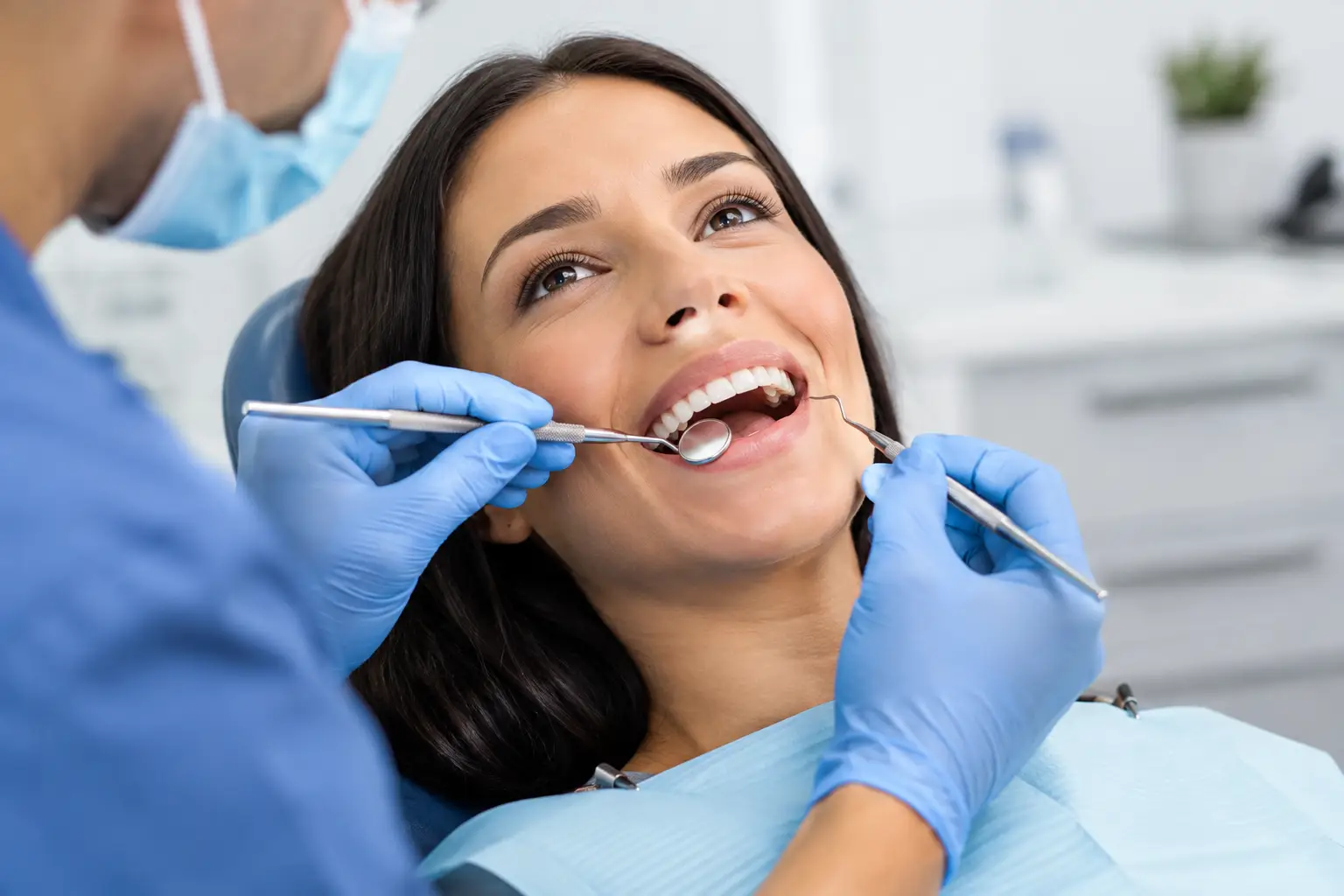
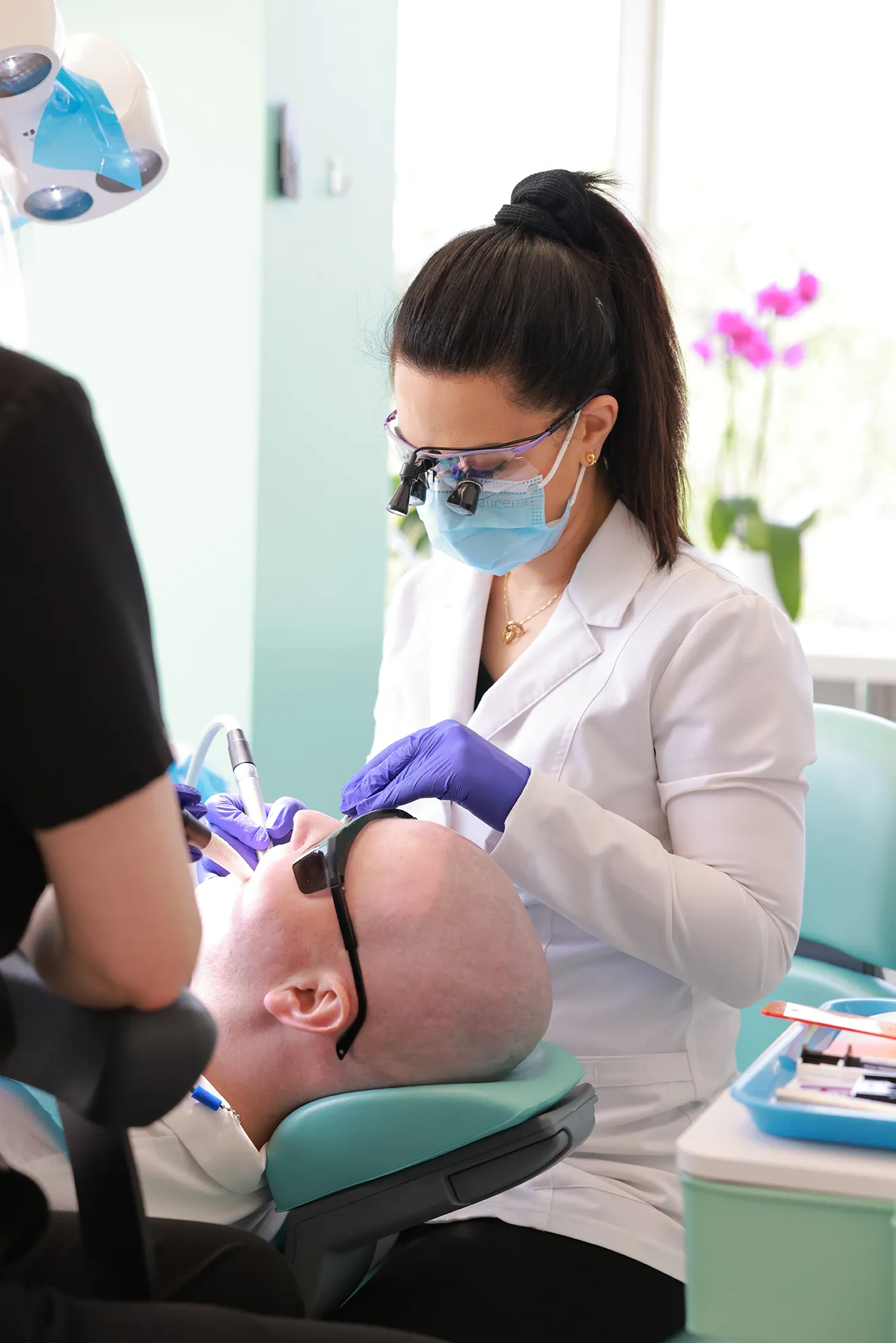
Before cosmetic treatment, a dentist will examine your teeth and gums, review any existing fillings, crowns, or dental concerns, and discuss what you want to see in the mirror. X-rays or photographs may be useful when they are clinically indicated. This process helps distinguish a straightforward aesthetic change from a concern that requires additional treatment.
Gum health is especially important. Redness, bleeding, swelling, or gum recession can affect how a smile looks and may need attention before whitening, veneers, or bonding. Regular hygiene care removes the buildup that can dull teeth and supports a healthier foundation for any cosmetic work.
Your bite also deserves attention. If you grind or clench, a new bonded edge or veneer may be at greater risk of chipping. A night guard may be recommended to protect both your natural teeth and cosmetic restorations. If teeth are significantly crowded or misaligned, orthodontic treatment may offer a more stable route than trying to change their appearance with restorative materials alone.
How to Choose a Result You Will Still Like Years From Now
Bring examples of smiles you like to your consultation, but use them as a conversation starter rather than a fixed blueprint. Tooth shape, facial features, skin tone, lip line, and the amount of tooth visible when you smile all influence what will look natural on you.
It helps to discuss your priorities clearly. Are you most concerned about brightness, one chipped tooth, a gap, or several teeth that look uneven? Would you prefer the most conservative approach first, even if it needs occasional maintenance? Or are you looking for a more comprehensive change? Honest answers allow your dentist to explain the benefits and limitations of each option.
Think about timing as well. If you have an event coming up, whitening or limited bonding may be realistic options, while more complex treatment can require additional planning and appointments. Avoid making a rushed decision solely for a photo date if your teeth or gums need treatment first.
Cost, Coverage, and Practical Planning
The cost of cosmetic dentistry varies widely because the treatments, materials, number of teeth involved, and complexity are different for every patient. Whitening and small bonding repairs generally involve a different level of investment than multiple veneers, crowns, implants, or extensive restorative work.
Dental insurance plans often have limited coverage for treatment considered primarily cosmetic. If a procedure is needed to restore a damaged tooth or replace a missing tooth, benefits may apply differently. The Canadian Dental Care Plan may also have specific eligibility and coverage rules, and not every cosmetic goal is covered. Asking for a treatment plan and estimate before starting gives you a clearer picture of expected costs and insurance considerations.
At DentiFlow Dentistry, patients can discuss cosmetic goals alongside preventive and restorative needs, with direct insurance billing available for eligible plans. This can make it easier to plan care without losing sight of the health needs that come first.
Looking After Your Cosmetic Dental Work
A cosmetic result lasts longer when daily care is consistent. Brush twice a day with a soft toothbrush and fluoride toothpaste, clean between your teeth daily, and keep regular checkups and hygiene visits. Coffee, tea, red wine, tobacco, and strongly coloured foods can stain natural enamel and composite bonding over time, so moderation and routine cleaning help.
Avoid using your teeth to open packaging or bite hard objects. If you play contact sports, wear a properly fitted mouthguard. If you notice a rough edge, new sensitivity, a change in colour, or a restoration that feels loose, arrange an assessment instead of waiting for the issue to worsen.
A confident smile does not have to begin with a dramatic makeover. Sometimes the most meaningful change is treating one concern carefully, protecting the health of your teeth, and choosing a result that feels comfortable every time you smile.