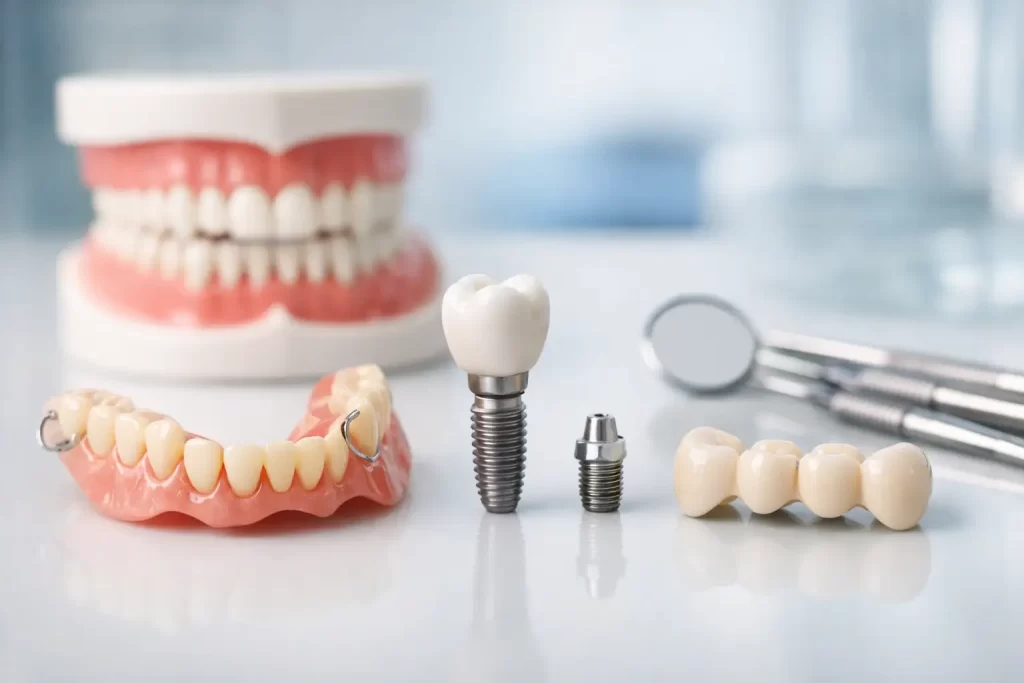
A missing tooth can change more than a photograph. You may start chewing on one side, avoid certain foods, feel self-conscious when speaking, or notice neighbouring teeth shifting over time. The best options for missing teeth depend on where the gap is, how many teeth are missing, the health of your gums and bone, and what feels realistic for your budget and daily life.
Replacing a tooth is not always urgent on the same day, but it is worth arranging an assessment soon. A dentist can identify the cause of tooth loss, check the condition of nearby teeth, and help you choose a treatment that supports your long-term oral health rather than simply filling a space.
Best options for missing teeth: what to consider first
There is no single right restoration for every patient. A back tooth that is not visible may call for a different solution than a front tooth that affects speech and confidence. Someone missing one healthy, isolated tooth has different choices than someone who has lost several teeth because of gum disease, injury, or extensive decay.
Before recommending treatment, your dentist will look at the number and location of missing teeth, the strength of surrounding teeth, your bite, gum health, jawbone volume, medical history, and your goals. They will also discuss the expected treatment timeline and maintenance. A solution that is ideal clinically should also be one you can care for comfortably.
In some cases, the first priority is managing pain, infection, or a broken tooth. If a tooth is still present and can be saved with treatment such as a root canal and crown, preserving the natural tooth is often preferable. When replacement is needed, dental implants, bridges, and dentures are the main options.
Dental implants: a fixed option for one or more teeth
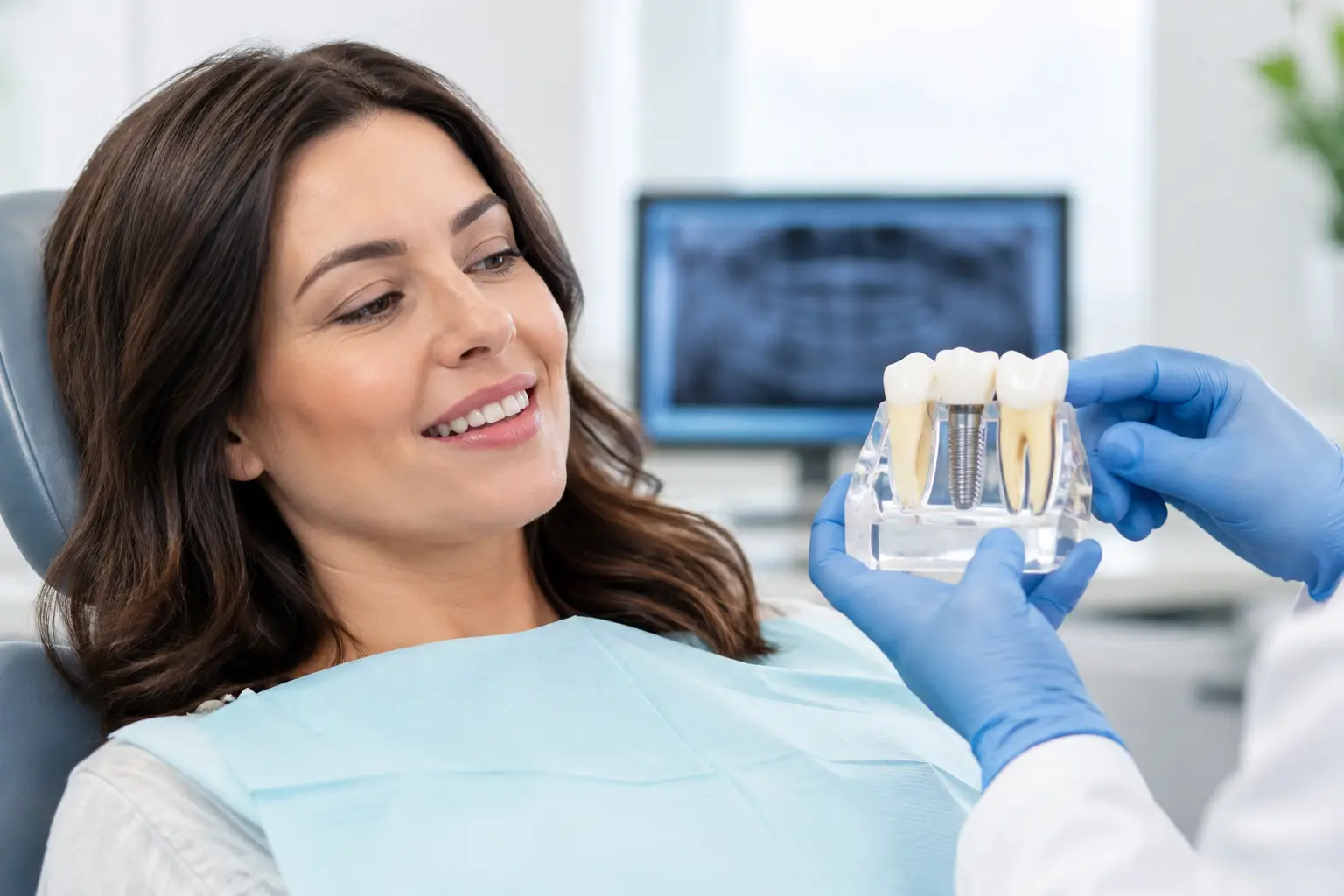
A dental implant replaces the root of a missing tooth with a small titanium post placed in the jawbone. Once the area has healed and the implant is stable, a custom crown, bridge, or denture can be attached. For a single missing tooth, an implant crown can look and function much like a natural tooth without relying on the teeth beside it.
Implants are popular because they are fixed in place, support chewing, and help stimulate the jawbone. They can replace one tooth, several teeth, or provide support for a full arch of replacement teeth. With consistent brushing, cleaning between teeth, and regular dental visits, implants can be a durable long-term solution.
The trade-off is that implant treatment takes time and requires a surgical procedure. Healing can take several months, although temporary tooth-replacement options may be available during the process. Adequate bone and healthy gums are needed for predictable results. If bone volume is limited, grafting or other preparatory treatment may be recommended, which adds time and cost.
Implants are not automatically the best choice for everyone. Certain health conditions, smoking, uncontrolled gum disease, or difficulty maintaining oral hygiene can affect suitability. A thorough assessment helps determine whether an implant is a practical and safe option for you.
When an implant may make sense
An implant may be well suited to a patient who is missing one tooth, has healthy surrounding gums, and wants a fixed replacement without modifying adjacent teeth. It can also be valuable when several teeth are missing in a row and a larger fixed restoration is being considered. The decision should account for healing time, overall oral health, and your comfort with the treatment process.
Dental bridges: a reliable way to close a gap
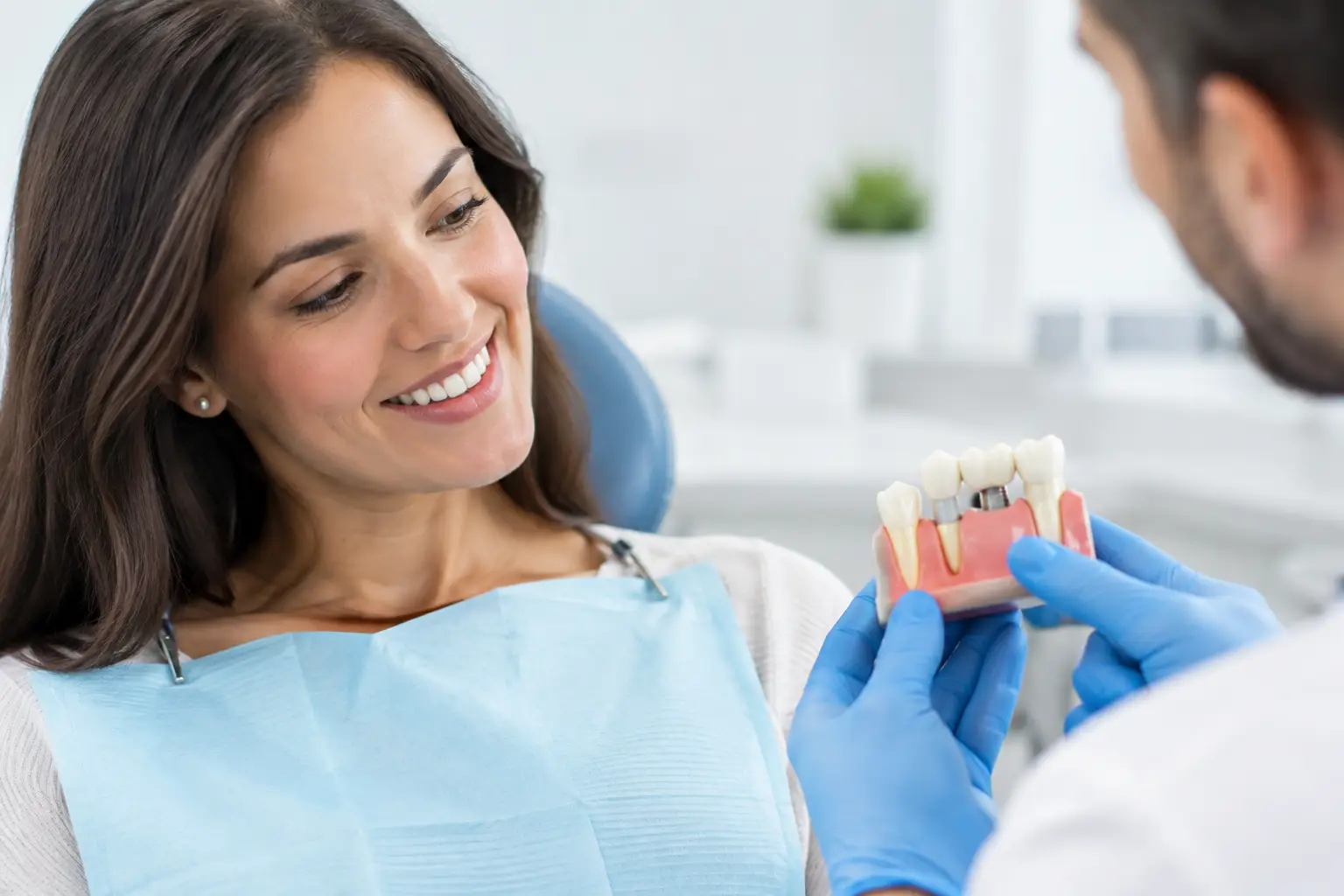
A dental bridge replaces one or more missing teeth by connecting an artificial tooth to support from the teeth on either side of the gap. In a conventional bridge, the neighbouring teeth are shaped to hold crowns, with the replacement tooth suspended between them. The bridge is cemented in place, so it does not need to be removed for cleaning.
For many patients, a bridge is a practical fixed alternative to an implant. It can restore chewing ability and appearance without implant surgery, and treatment is often completed sooner. A bridge can be especially sensible when neighbouring teeth already need crowns because of large fillings, fractures, or wear.
However, a conventional bridge requires work on supporting teeth, even if they are otherwise healthy. It also does not replace the tooth root beneath the gumline, so it does not provide the same jawbone stimulation as an implant. Cleaning under the replacement tooth requires a floss threader or another recommended cleaning aid. Good daily care is essential to protect the supporting teeth from decay and gum problems.
A resin-bonded bridge may sometimes be considered for a front tooth. It is attached to the back of an adjacent tooth using a conservative bonded wing. This approach may preserve more tooth structure, but it is not appropriate for every bite or location and can become loose over time.
Dentures: flexible options for several or all missing teeth
Dentures are removable replacements for missing teeth. A partial denture fills spaces when some natural teeth remain, while a complete denture replaces all teeth in the upper jaw, lower jaw, or both. Modern dentures can be designed to look natural and restore the ability to smile, speak, and eat a wider range of foods.
Partial dentures can be an efficient option when multiple teeth are missing in different areas of the mouth. They may attach with clasps or use more discreet design features, depending on the situation. Complete dentures rest on the gums and are custom made to fit the shape of the mouth.
Dentures generally involve a lower upfront cost than implant-supported restorations and do not require surgery. They can be a good solution for patients with significant tooth loss or for those who need to replace teeth promptly after extractions. They also require an adjustment period. Speech, chewing, and comfort may improve gradually as you get used to wearing them.
Because the jawbone changes over time after teeth are lost, dentures may need adjustments, relining, or replacement to maintain a secure fit. Dentures should be removed and cleaned as instructed, and the gums need regular care too. If movement is a concern, implants can sometimes be used to stabilize a denture for added retention.
What about leaving a missing tooth untreated?
Some people are comfortable leaving a back-tooth gap, particularly if it does not affect appearance or cause immediate discomfort. Still, teeth can drift into an empty space, altering the bite and making cleaning more difficult. The opposing tooth may also move farther out of the gumline because it no longer has a tooth to bite against.
The impact varies from person to person. A dentist may occasionally recommend monitoring a space rather than replacing it immediately, especially when treatment would not provide a meaningful functional benefit. The key is making that choice with a clear understanding of the possible changes over time.
Choosing a treatment that works for your life
Cost matters, but the lowest initial cost is not always the lowest cost over many years. Consider the expected lifespan of the restoration, future maintenance, the health of supporting teeth, and whether the treatment helps you eat and speak comfortably. Your insurance coverage may contribute differently to bridges, dentures, and implant-related care. If you are eligible for the Canadian Dental Care Plan, ask the dental office what coverage may apply to your proposed treatment.
It is also reasonable to ask for a phased plan. For example, immediate care may focus on removing infection and providing a temporary replacement, while a more permanent restoration is planned after healing. This can make treatment more manageable without losing sight of the final result.
At DentiFlow Dentistry, patients can discuss restorative options in the context of their complete oral health, including the condition of their gums, remaining teeth, and bite. The goal is not to push one treatment, but to help you understand the benefits and limitations of each choice.
A missing tooth deserves thoughtful care, whether it happened recently or years ago. Booking an examination is a practical first step toward a plan that lets you eat, speak, and smile with greater comfort.