
A child with a first loose tooth, a parent due for a cleaning, and a grandparent managing a worn crown may have very different dental needs. What they should not need is a different clinic for each concern. The best family dentistry services bring preventive care, treatment for unexpected problems, and long-term restorative support together in one familiar place.
For families in Thornhill and nearby communities, choosing a dental clinic is about more than finding an available appointment. It is about building a relationship with a team that understands your history, explains your options clearly, and makes it easier to keep oral health on track through every stage of life.
What Makes Family Dentistry Different?
Family dentistry is designed to care for patients of different ages and with changing needs. A family dentist may help a young child become comfortable with regular visits, monitor a teenager’s oral health, treat a working adult’s cavity before it becomes painful, and restore function for an older adult with missing or damaged teeth.
That continuity matters. When one clinic follows your dental health over time, small changes are easier to spot. A developing cavity, gum inflammation, tooth wear, or a cracked filling can often be addressed before it becomes a larger and more costly problem.
It also makes practical sense for busy households. Coordinating dental care with one trusted local provider can reduce travel, paperwork, and the stress of explaining your health history repeatedly. The right clinic should still recognize when a referral is appropriate, but many everyday needs can be managed under one roof.
The Best Family Dentistry Services Start With Prevention
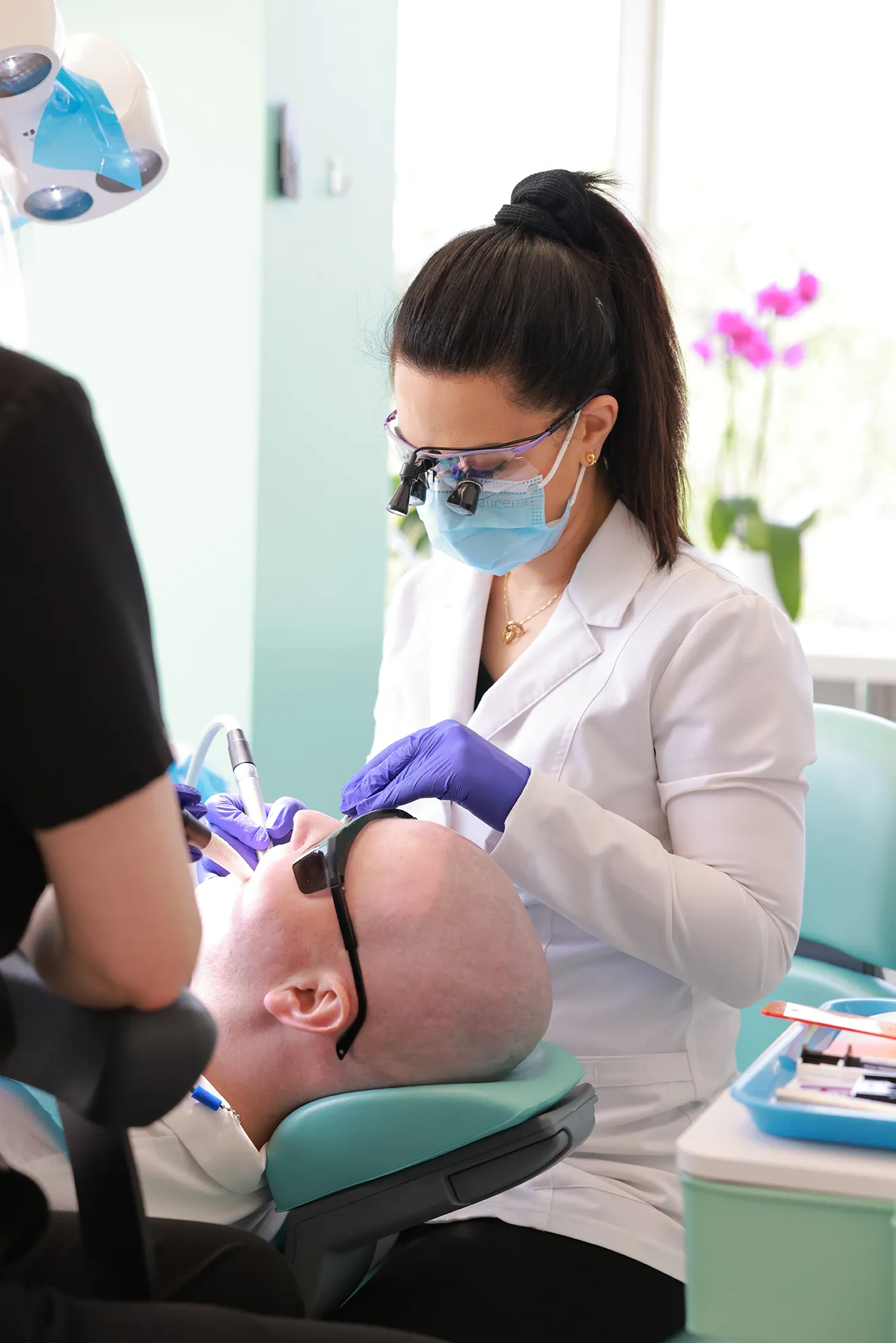
Regular examinations and professional hygiene cleanings are the foundation of family dental care. Even patients who brush and floss consistently benefit from visits that remove hardened plaque and allow the dentist to examine areas that are difficult to assess at home.
During a checkup, the dental team may look for early signs of tooth decay, gum disease, wear from grinding, changes in existing restorations, and concerns affecting bite or comfort. X-rays may be recommended when clinically needed to assess areas between teeth or beneath the gumline. They are not necessarily required at every visit, which is why individualized care is better than a one-size-fits-all schedule.
For children, preventive visits also create familiarity. A calm, positive appointment early in life can make future dental care feel routine rather than intimidating. Parents can receive practical guidance on brushing, flossing, fluoride, diet, and habits such as thumb sucking or nighttime grinding.
Prevention is not only for children. Adults can develop cavities around older fillings or crowns, while older patients may face dry mouth, gum recession, or challenges cleaning around bridges, dentures, and implants. Regular care helps protect the dental work you already have.
A Visit Schedule Should Fit the Patient
Many people benefit from a cleaning and examination every six months, but that timing can vary. Someone with healthy gums and a low risk of decay may need a different schedule than someone with active gum disease, frequent cavities, orthodontic appliances, diabetes, or extensive restorative work. Your dentist should explain what is recommended for you and why.
Restorative Care Keeps Small Problems From Taking Over
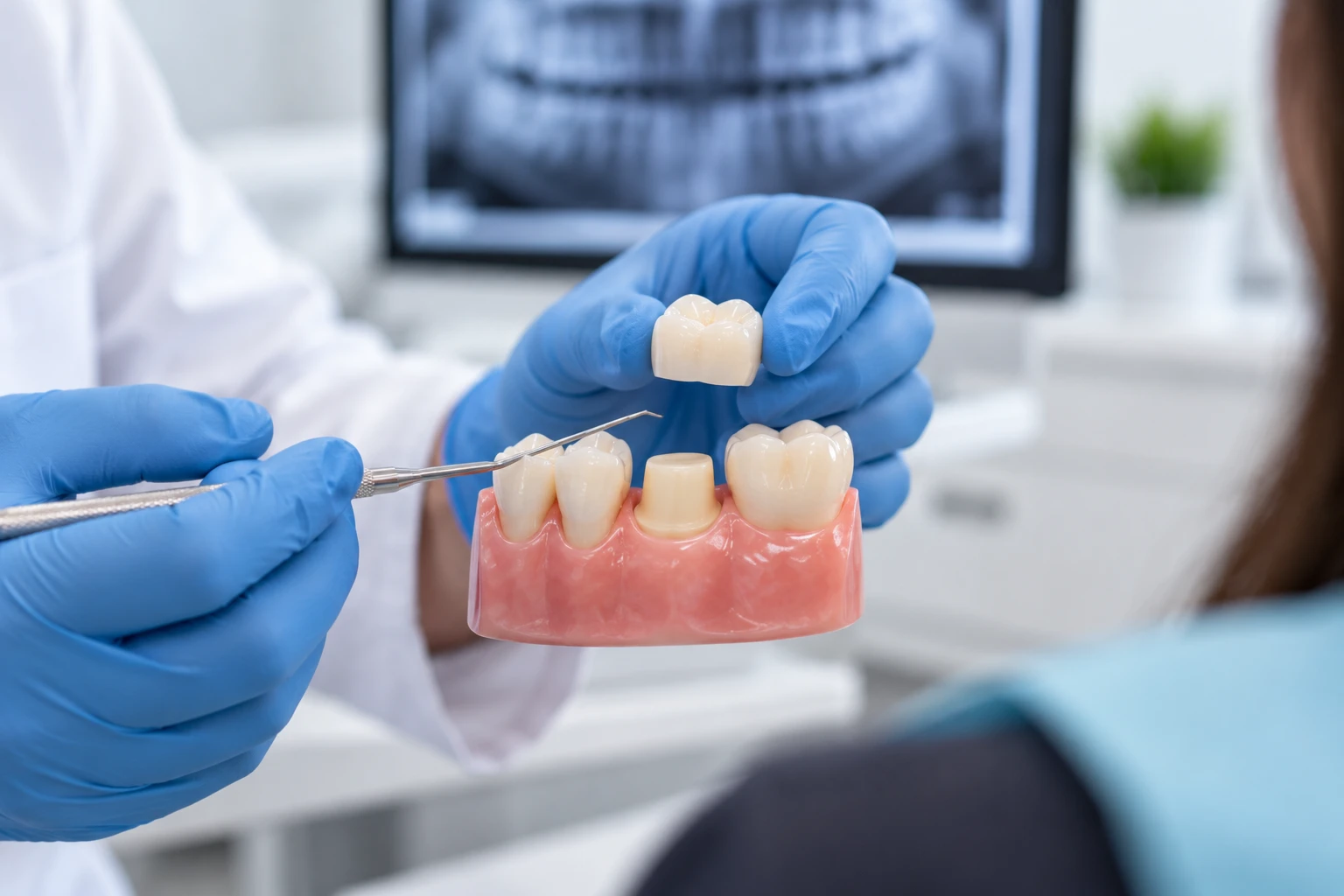
Tooth decay, fractures, and failed restorations are common, even among people who take excellent care of their teeth. A filling can repair a small cavity or damaged area, while a crown may be recommended when a tooth is too weakened for a filling to provide reliable support.
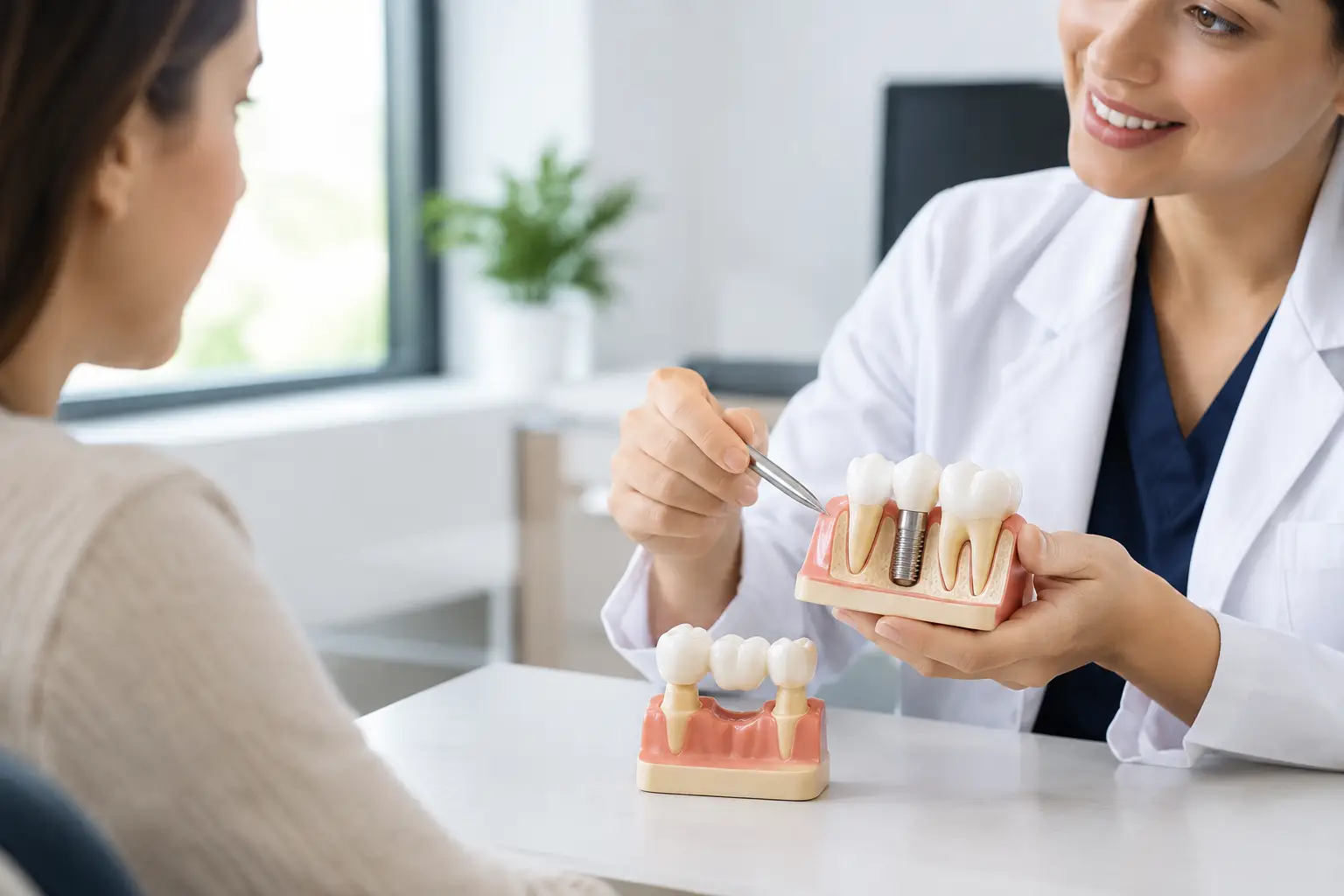
Crowns and bridges can restore chewing function and improve the appearance of a damaged or missing tooth. Dentures may be a practical option for patients missing several or all teeth, while dental implants can replace missing teeth with a stable foundation designed to support long-term function. Each option has benefits, costs, maintenance needs, and suitability considerations.
For example, an implant may be an excellent choice for some patients, but it involves a surgical process and requires sufficient bone and healthy surrounding tissues. A bridge may be completed more quickly in some cases, but it can involve preparing neighbouring teeth. A good family dentist will discuss the trade-offs rather than pushing a single treatment approach.
When infection reaches the inside of a tooth, root canal therapy may help relieve pain and preserve the natural tooth. Although many patients are nervous about the phrase, modern treatment is focused on removing infection, protecting the tooth, and restoring comfort. Prompt assessment is particularly important when pain, swelling, sensitivity, or a dental abscess is present.
Emergency Dental Support Should Be Easy to Access
A severe toothache rarely arrives at a convenient time. Neither does a broken tooth, lost filling, knocked-out tooth, or swelling in the gums or face. Families benefit from knowing where to turn when urgent dental care is needed.
An emergency visit focuses first on diagnosing the cause of the problem and relieving pain or controlling infection where appropriate. Depending on the issue, treatment may include repairing a tooth, placing a temporary restoration, beginning root canal treatment, draining an infection, or performing an extraction. The goal is to address the immediate concern while creating a clear plan for any follow-up care.
Not every concern requires emergency treatment, but it is wise to call promptly for significant pain, facial swelling, uncontrolled bleeding, trauma, or a loose or broken permanent tooth. If swelling affects breathing or swallowing, seek immediate emergency medical attention.
Cosmetic Options Can Be Part of Family Care Too
Family dentistry is not limited to treating disease or pain. Many patients also want to feel more confident about the appearance of their smile. Professional whitening can address staining, while cosmetic bonding may help improve the look of small chips, uneven edges, or gaps in suitable cases.
Cosmetic treatment should begin with an honest discussion. Whitening does not change the colour of existing crowns or fillings, and bonding may not be the best answer for teeth affected by major decay, bite pressure, or extensive damage. Before changing the appearance of a tooth, the dentist should ensure that the tooth and gums are healthy enough for the planned treatment.
The best results are usually those that respect both appearance and function. A smile should look natural, feel comfortable, and remain practical to maintain.
How to Choose the Best Family Dentistry Services
Look beyond a clinic’s treatment list. A comprehensive range of services is valuable, but communication and access often determine whether people actually keep up with care. Consider whether the clinic welcomes new patients, offers appointment times that work with school and work schedules, and provides a clear process for urgent concerns.
Financial administration also matters. Direct insurance billing can reduce paperwork at the appointment, and participation in the Canadian Dental Care Plan can make care more accessible for eligible patients. It is still helpful to confirm your coverage and any potential out-of-pocket costs before treatment begins, especially for major restorative or cosmetic procedures.
You should also feel comfortable asking questions. A patient-centred dental team explains what they see, what treatment is recommended, what can wait, and what alternatives may be available. This is especially valuable for anxious patients and parents making decisions for children.
At DentiFlow Dentistry, families can access preventive, restorative, cosmetic, and emergency dental care in one convenient Thornhill clinic, with new-patient appointments, online booking, direct insurance billing, and CDCP participation designed to make care easier to manage.
A Familiar Clinic Can Support Lifelong Oral Health
The right family dental practice does more than fix teeth when something hurts. It helps children learn healthy habits, gives adults practical options to protect their smiles, and provides older family members with care that supports comfort, nutrition, and confidence.
Whether it is time for a routine cleaning, you are concerned about a damaged tooth, or someone in your family needs prompt relief from dental pain, taking the next step early can make treatment simpler. A caring local dental team can help you understand your options and move forward with confidence.