
A child who feels well can still have a cavity developing between two back teeth, hidden below the gumline, or inside a tooth after a fall. That is why parents often ask, are X-rays safe for children when a dental visit seems routine? The short answer is yes: when dental X-rays are clinically needed and taken with modern equipment and careful technique, the radiation exposure is very low.
At the same time, an X-ray should never be automatic. Your child’s dentist should recommend one because it will answer a specific question and help guide care. This thoughtful, limited approach is how dental teams balance the small exposure involved with the real benefit of finding problems early.
Why a child may need dental X-rays
A dental exam gives the dentist a close look at the teeth, gums, bite, and visible areas of the mouth. But even the most careful visual exam cannot show everything. X-rays allow the team to see areas that are otherwise hidden, including between teeth, under existing fillings, inside the tooth, and beneath the gums.
For children, dental X-rays can be particularly useful because their mouths are changing quickly. They can help a dentist check whether permanent teeth are developing normally, whether there is enough room for erupting teeth, and whether baby teeth are being lost at the expected time. They can also reveal decay between molars, where a toothbrush cannot always reach effectively.
An X-ray may be recommended when a child has tooth pain, swelling, a dental injury, a history of cavities, or signs of an infection. It may also be useful before certain treatments, such as an extraction or orthodontic assessment. A child with a low risk of tooth decay and a healthy recent history may need images less often than a child who has frequent cavities or difficulty cleaning between teeth.
That difference matters. Dental imaging schedules should be based on your child’s individual needs, not simply on their age or a one-size-fits-all calendar.
Are X-rays safe for children at the dentist?
Dental X-rays use ionizing radiation, so it is reasonable to ask questions about them. Children are still growing, and healthcare providers take their exposure seriously. The goal is to keep radiation as low as reasonably achievable while still obtaining the information needed for a proper diagnosis.
Modern digital dental X-rays require very small amounts of radiation compared with older film-based systems. The exposure from a set of routine dental images is generally low, and it is limited to a very small area. Your child does not feel the X-ray, and no radiation stays in their body after the image is taken.
The greater concern is not a carefully selected dental X-ray. It is missing a problem that could have been treated simply and comfortably when it was small. Tooth decay can progress without obvious symptoms. If it reaches the inner part of a tooth, a child may need more involved treatment, experience pain, or develop an infection.
Safety does not mean taking images without a reason. It means using them only when they are expected to improve care, choosing the right image for the question at hand, and avoiding unnecessary repeat images.
How dentists reduce radiation exposure
A child’s dental team uses several safeguards before and during X-rays. First, the dentist reviews the child’s health and dental history and considers any recent images that may already be available. There is no benefit to retaking an image that is still useful for diagnosis.
Digital sensors are designed to capture clear images with a low dose. The equipment is carefully positioned and aimed only at the area being examined. Staff use child-appropriate settings and proper positioning to reduce the chance that an image will need to be repeated. Protective shielding may also be used according to the type of image, the equipment, and current clinical guidance.
A panoramic X-ray, which shows the full jaw and developing teeth, is not the same as a small bitewing image used to check for cavities between back teeth. Each image has a different purpose. Your dentist should select the image that provides the needed information without taking more images than necessary.
It also helps when children are comfortable. A calm child who understands that they need to hold still for a few seconds is less likely to need a repeat image. Dental teams can explain the process in simple language, show the sensor or machine first, and offer reassurance throughout the appointment.
When X-rays may be needed more or less often
There is no single answer to how often every child needs dental X-rays. The timing depends on their risk factors and what the dentist can see during an exam.
A child may need images more often if they have had several cavities, visible plaque that is difficult to remove, deep grooves in their molars, orthodontic concerns, a history of dental trauma, or symptoms such as pain and sensitivity. Children who frequently snack on sugary foods or drinks may also have a higher risk of decay between teeth.
On the other hand, a child with healthy teeth, effective brushing and flossing habits, low cavity risk, and no symptoms may require imaging less frequently. Regular checkups still matter because risk can change as new teeth erupt, eating habits shift, or cleaning becomes more difficult around crowded teeth.
Parents can ask, “What are you looking for with this X-ray?” and “Is there a recent image we can use instead?” These are sensible questions. A dentist should be happy to explain the reason for the recommendation in clear terms.
What parents can expect at the appointment
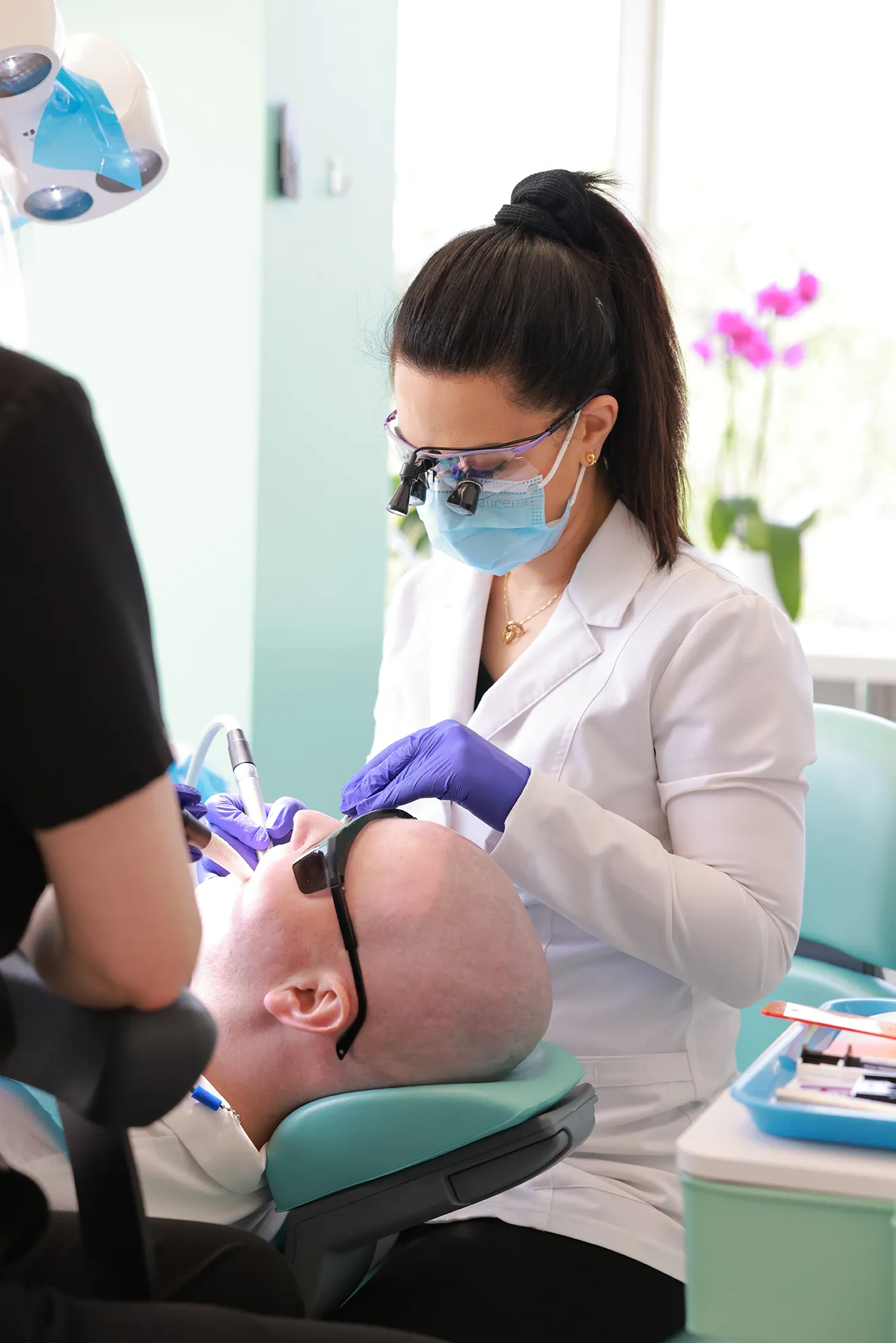
For a small dental X-ray, your child may bite gently on a holder while the image is taken. The sensor can feel a little awkward at first, especially for younger children, but the process is quick. For a panoramic image, your child stands or sits still while the machine moves around their head without touching them.
Let the dental team know if your child is nervous, has a strong gag reflex, or has had a difficult imaging experience before. A few extra minutes of preparation can make a meaningful difference. Children often respond well when they know exactly what will happen: the image is like a special picture of the teeth that helps the dentist find hidden trouble.
If your child is pregnant or there is any possibility of pregnancy in an older teen, mention it before imaging. The dentist can determine whether the X-ray should proceed, be postponed, or be modified based on the urgency of care.
The value of finding problems early
Dental X-rays are one part of preventive care, alongside exams, professional cleanings, fluoride guidance, sealants where appropriate, and consistent brushing and flossing at home. They are not a replacement for a careful clinical exam, and a healthy-looking smile does not always tell the whole story.
When imaging identifies early decay, a dentist may be able to recommend preventive steps or a smaller restoration before the tooth becomes painful. When it shows a developing tooth is blocked or missing, families can plan ahead instead of being surprised later. For a child who has fallen or been hit in the mouth, images can help assess roots and bone that cannot be examined from the outside.
At DentiFlow Dentistry, parents can expect recommendations that are tailored to their child, explained plainly, and focused on practical next steps. Whether the visit is a routine checkup, a concern about a cavity, or an urgent dental injury, the aim is to make care feel manageable for both children and parents.
If an X-ray is recommended at your child’s next visit, asking why is a good place to start. A clear explanation and a child-centred plan can turn a moment of worry into one more step toward a healthy, comfortable smile.