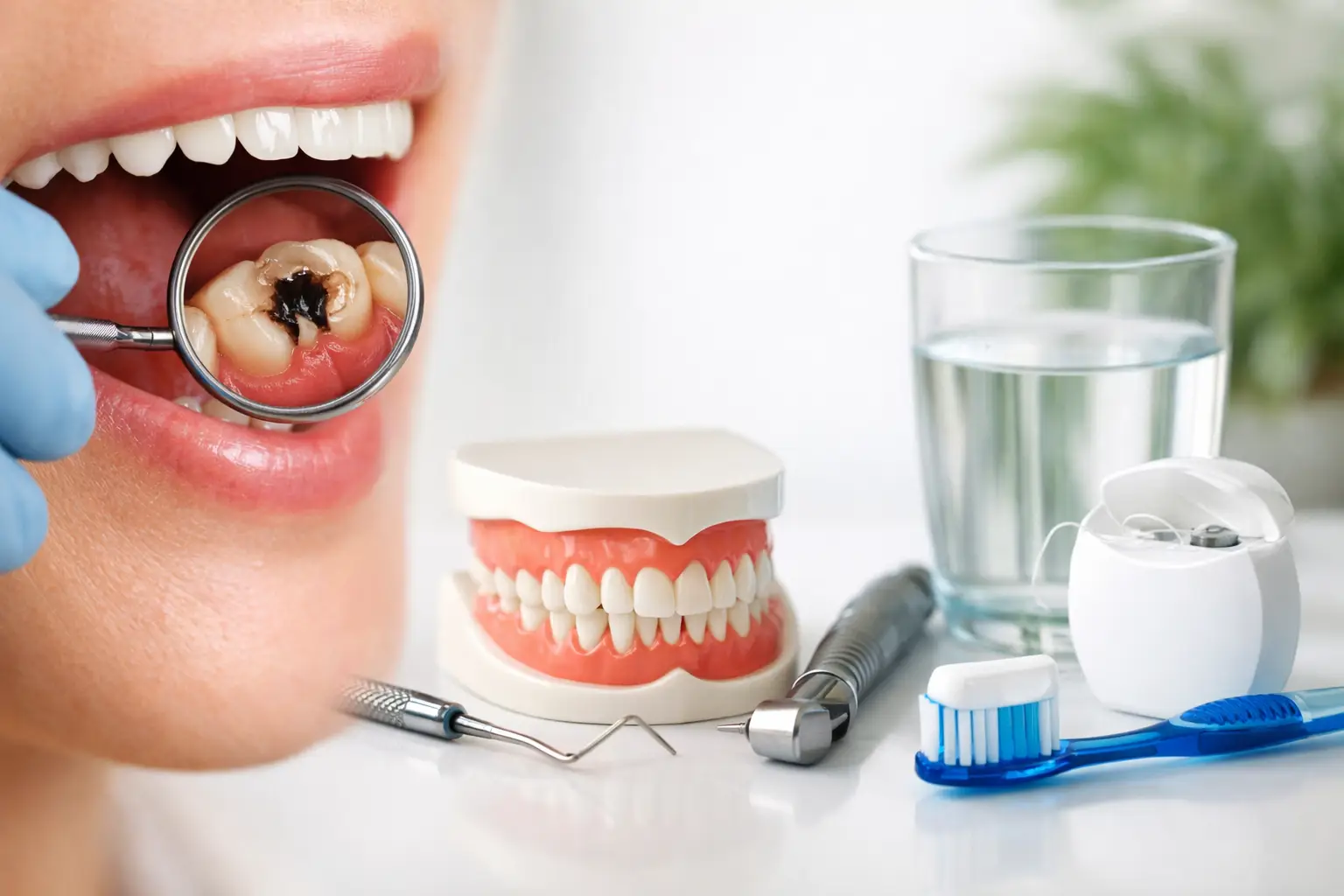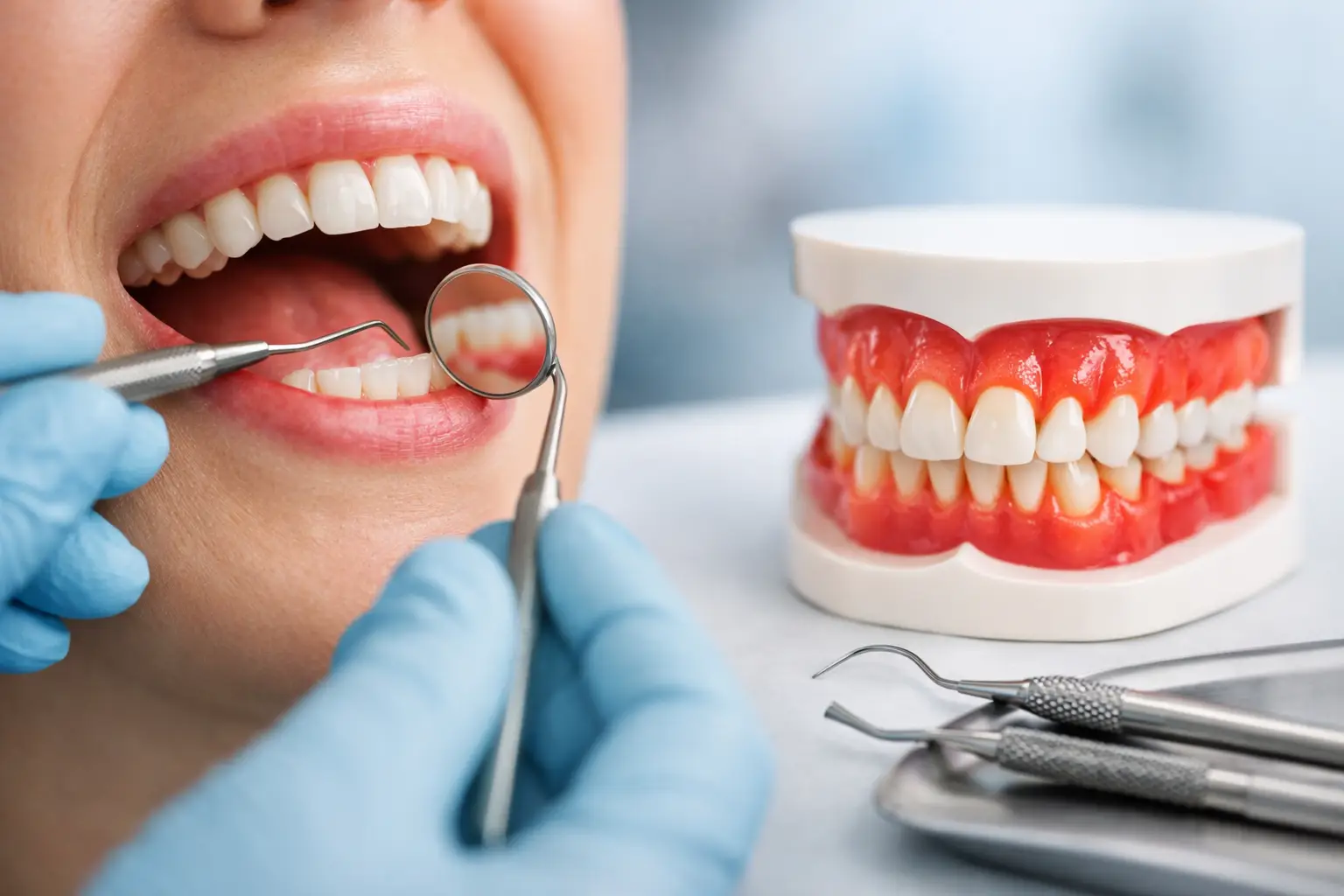
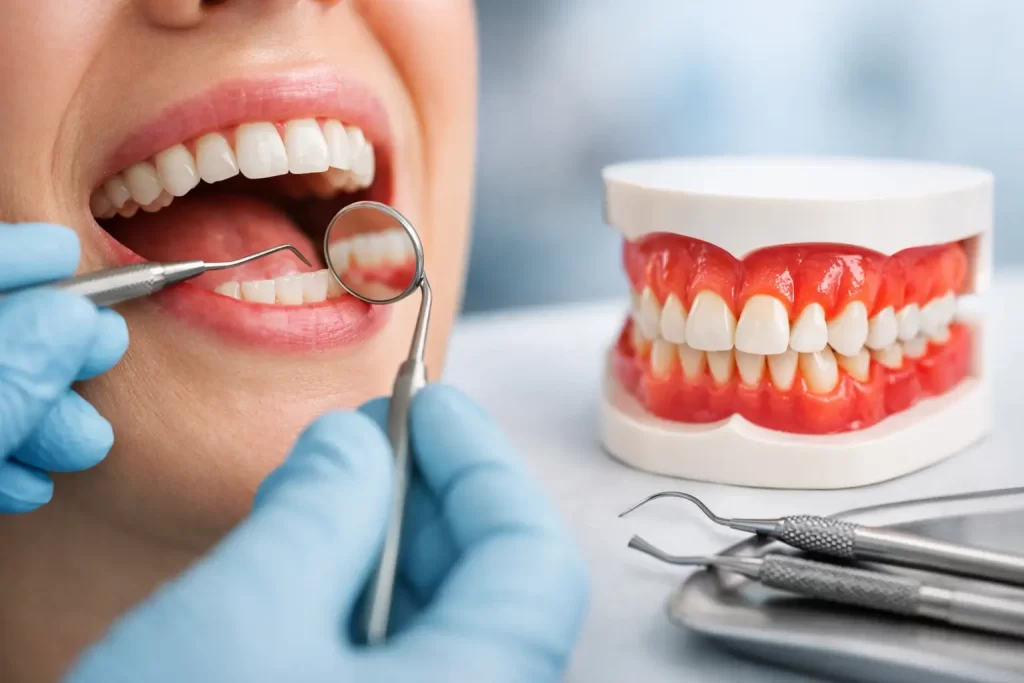
Bleeding when you brush is easy to dismiss, especially when it stops quickly. But healthy gums generally should not bleed with gentle brushing or flossing. This gum disease guide explains what those early changes can mean, what treatment may involve, and when it is time to arrange a dental visit rather than wait for discomfort.
Gum disease is common, often painless at first, and treatable. The best outcome usually comes from acting while the problem is limited to the gums. Regular checkups and hygiene appointments make it possible to spot changes that are difficult to see at home, including tartar buildup below the gumline and early loss of gum attachment around a tooth.
What gum disease is and why it develops
Gum disease is an infection and inflammation of the tissues that hold your teeth in place. It starts when dental plaque, a sticky layer of bacteria, is not removed thoroughly from teeth and along the gumline. Over time, plaque can harden into tartar, also called calculus. Tartar cannot be removed with a toothbrush or floss and needs professional cleaning.
The body reacts to bacteria at the gumline with inflammation. In its earliest form, this is called gingivitis. Gums may look red or puffy, feel tender, or bleed during brushing. Gingivitis is usually reversible with consistent home care and professional hygiene treatment.
When inflammation progresses beneath the gums, it can become periodontitis. In this stage, the gum and bone supporting the teeth can gradually break down. Pockets can develop between the teeth and gums, trapping more bacteria. Lost support does not grow back on its own, which is why early care matters.
Plaque is the direct cause, but several factors can increase risk or make gum disease harder to control. These include smoking or vaping, diabetes that is not well managed, certain medications that cause dry mouth, hormonal changes, a family history of gum problems, crowded teeth, and an inconsistent oral-care routine. A person can brush daily and still miss hard-to-reach areas, particularly around back teeth, dental bridges, implants, or orthodontic appliances.
Gum disease guide: signs worth checking
Bleeding is one of the most useful warning signs, but it is not the only one. Watch for gums that are swollen, red, sore, or pulling away from the teeth. Persistent bad breath or a bad taste, new sensitivity, spaces appearing between teeth, and teeth that feel loose can also point to gum problems.
Do not use pain as your guide. Gum disease may advance without significant pain because the changes are often gradual. Smoking can make bleeding less noticeable by reducing blood flow to the gums, so gums that do not bleed are not automatically healthy.
A dental assessment can identify whether inflammation is limited to gingivitis or has affected deeper supporting tissues. The dentist or hygienist may measure the space around teeth, check for bleeding and recession, review X-rays when appropriate, and look for tartar below the gumline. These findings help determine the right level of care for you.
When to book promptly
Arrange an appointment soon if bleeding continues for more than a week despite gentle, thorough brushing and daily cleaning between teeth. It is also wise to book if you notice gum recession, ongoing bad breath, pus near the gums, a change in how your teeth meet, or a loose tooth.
Facial swelling, fever, severe pain, trouble swallowing, or trouble breathing needs urgent assessment. These symptoms can signal an infection that should not wait for a routine appointment.
Treatment depends on the stage
For gingivitis, a professional hygiene cleaning combined with better plaque removal at home is often enough to restore healthier gums. Your hygienist can remove plaque and tartar from areas that are difficult to reach and show you where your routine may be missing the gumline.
Periodontitis generally needs more involved care. Scaling and root planing, sometimes described as deep cleaning, removes deposits from below the gumline and smooths root surfaces so the gums can heal more effectively. Some patients need treatment completed over more than one visit, depending on the amount of buildup and the areas involved.
After active treatment, regular periodontal maintenance is essential. The right recall interval varies. Some people do well with standard hygiene visits, while others benefit from more frequent cleanings because they have deeper pockets, a history of bone loss, or risk factors such as smoking or diabetes. The goal is not simply to make teeth look clean. It is to manage the bacterial buildup that can restart inflammation.
Advanced gum disease may require referral to a periodontist, a dentist with additional training in gum and bone support. In some cases, treatment may involve surgical care, bone grafting, or procedures to address significant recession. If a tooth cannot be saved, options such as a bridge, denture, or dental implant can restore function. An implant also needs healthy surrounding gums and ongoing maintenance, so gum health remains part of the long-term plan.
Antibiotics are not a replacement for removing tartar and controlling plaque. They may be used in selected situations, but treatment works best when the source of infection is physically cleaned and daily care is consistent.
Daily care that protects your gums
A reliable routine does not need to be complicated. Brush twice a day for two minutes using a soft-bristled toothbrush and fluoride toothpaste. Angle the bristles gently toward the gumline rather than scrubbing aggressively. Firm brushing does not remove more plaque and can contribute to irritation or recession over time.
Clean between your teeth once a day. Floss works well where teeth are close together, while interdental brushes may be easier and more effective for larger spaces, braces, bridges, or some implant restorations. The best tool is the one that fits comfortably and that you will use consistently. A dentist or hygienist can help you choose the right size and technique.
An electric toothbrush can be helpful for many people because it supports a consistent brushing motion and often includes a timer. It is not mandatory, though. Careful brushing with a manual soft toothbrush can also work very well. Mouthwash may reduce bacteria or help manage specific concerns, but it cannot take the place of brushing between teeth and professional cleanings.
If your gums bleed after you begin flossing regularly, do not stop immediately. Mild bleeding can occur when inflamed gums are disturbed. Continue gently for about a week while avoiding snapping floss into the gums. If bleeding persists, becomes heavy, or is accompanied by pain or swelling, arrange an assessment.
Making prevention practical for busy families
For parents, helping children brush until they develop the dexterity to do it thoroughly can set the foundation for healthier gums later. For adults, linking flossing to an existing habit, such as brushing before bed, is often more effective than relying on motivation at the end of a long day.
Smoking cessation and managing health conditions such as diabetes can support gum treatment and overall healing. Be open about medications, health changes, pregnancy, and tobacco or cannabis use at dental visits. This information helps your dental team tailor recommendations without judgement.
Cost and scheduling can also affect whether people keep up with preventive care. Ask about appointment options, direct insurance billing, and CDCP eligibility if applicable before delaying a visit. Preventive treatment is usually simpler than treating advanced disease, and a clear care plan can help you prioritize what needs attention first.
If you are due for a checkup, have noticed bleeding, or have avoided dental care because you are unsure what to expect, DentiFlow Dentistry can assess your gum health and explain your options clearly. A calm conversation and an early appointment can turn a small warning sign into a manageable next step.