When life gets busy, it’s easy to bump a checkup to “next month.” The quiet truth is that small, well-timed visits do a lot of heavy lifting behind the scenes—spotting tiny cavities, calming gum inflammation before it steals bone, and flagging health clues you won’t see in a mirror. That’s the everyday importance of dental exams: they protect you long before anything hurts. At DentiFlow Dentistry in Thornhill, Ontario, we keep visits calm, efficient, and useful, so you leave knowing what looks great, what needs attention, and how to keep your mouth (and the rest of you) on track.
The Importance of Dental Exams: What They Catch Before It's Painful
Most dental issues don’t announce themselves. Cavities start as faint soft spots; gum disease can be silent for months; oral lesions often look harmless. The importance of dental exams is that they uncover those early signals while solutions are still small—think a conservative filling instead of a crown, or a focused cleaning instead of gum surgery.
How Often Should You Come In—And Why Timing Matters
Twice a year works for many healthy adults. Some people do better every three to four months—pregnancy, diabetes, dry mouth, braces, or a history of frequent cavities all change the math. Even if you feel fine, the importance of dental exams is timing: plaque quietly hardens into tartar, and six months can be the difference between a tiny fix and a root canal.
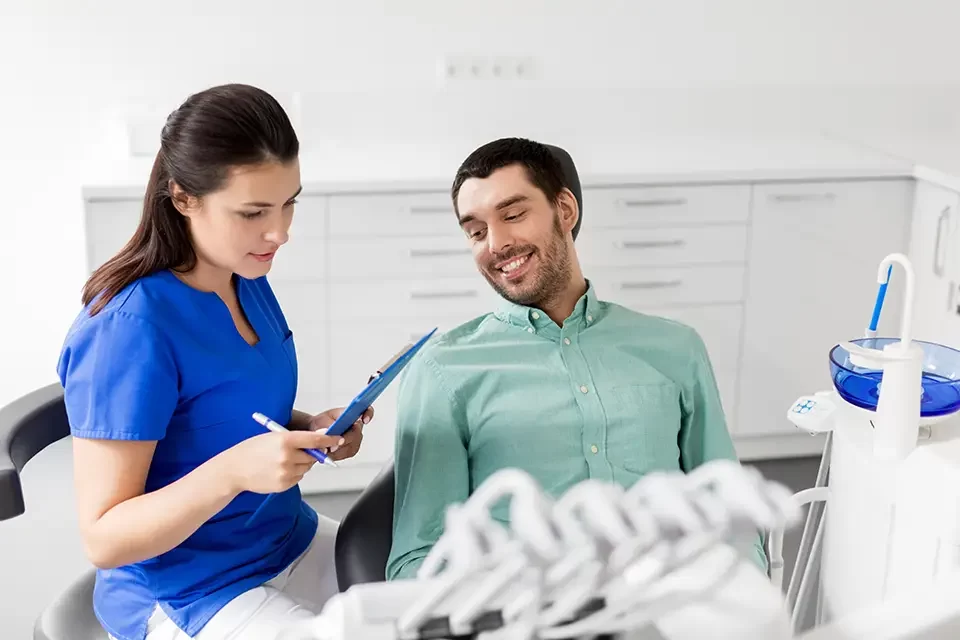
The Importance of Dental Exams: What Actually Happens at Your Visit
Knowing the flow helps you get more out of the appointment:
- Health Check-In: Medications, allergies, new diagnoses—your mouth and body talk to each other. This is part of the importance of dental exams, not a formality.
- Gum Assessment: Pocket measurements and bleeding scores show if inflammation is brewing below the surface.
- Cavity & Crack Detection: Visual exam plus tools to find softened enamel and hairline fractures early.
- Bite & Jaw Review: We check how teeth meet and whether clenching is wearing things down.
- Oral Cancer Screening: A careful look at lips, cheeks, tongue, palate, and throat for anything that needs a closer look.
- Professional Cleaning: Tartar removal above and below the gums, polish, and simple home-care coaching you’ll actually use.
Small Visits, Big Savings
Catch things early, and you keep care easy on your calendar and your budget. That’s the practical importance of dental exams. A small cavity becomes a quick filling instead of a crown; early gum inflammation responds to a targeted cleaning and a few habit tweaks; a rough edge gets smoothed before it cracks a larger chunk of tooth. Prevention isn’t a slogan—it’s the most affordable kind of dentistry.
The Importance of Dental Exams Reaches Beyond Your Mouth
Your mouth reflects the rest of your health. Dry mouth from medications raises cavity risk, reflux can erode enamel, and uncontrolled blood sugar makes gums harder to calm. The broader importance of dental exams is simple: dental teams often notice patterns first. When something looks off, we loop in your physician so you get a complete plan, not disconnected advice.
The Importance of Dental Exams: Age-Specific Tips That Actually Help
Care shifts a bit at each stage of life:
- Kids & Preteens: Sealants on deep grooves, fluoride for developing enamel, and brushing routines that work on school mornings. The importance of dental exams here is habit-building and catching crowding early.
- Teens: Sports mouthguards, wisdom-tooth monitoring, and coaching on energy drinks and snacking patterns.
- Adults: Stress-related clenching, early gum disease, and dry mouth from common meds.
- Seniors: Root-surface decay, denture comfort, saliva changes, and checks for sore spots or lesions.
X-Rays: Only When They Change Decisions
We take radiographs when they help decision-making—no more, no less. Bitewings catch between-tooth decay and bone levels; panoramic or 3D images help plan implants or evaluate wisdom teeth. Used wisely, imaging underscores the importance of dental exams by finding the invisible while keeping exposure low and tailored to your risk.
The Importance of Dental Exams: Home Habits That Make Your Next Visit Easier
Think of home care as the daily half of prevention, with your checkup as the periodic audit. The importance of dental exams goes further when these basics are in place:
- Brush for two minutes, twice a day, with fluoride toothpaste (an electric brush helps if you rush).
- Clean between teeth—floss or interdental brushes; pick the tool you’ll actually use.
- Rinse or sip water after coffee, citrus, or sweet snacks.
- Nightguard if you clench, so you don’t grind away good work.
Why Patients Stick with DentiFlow in Thornhill
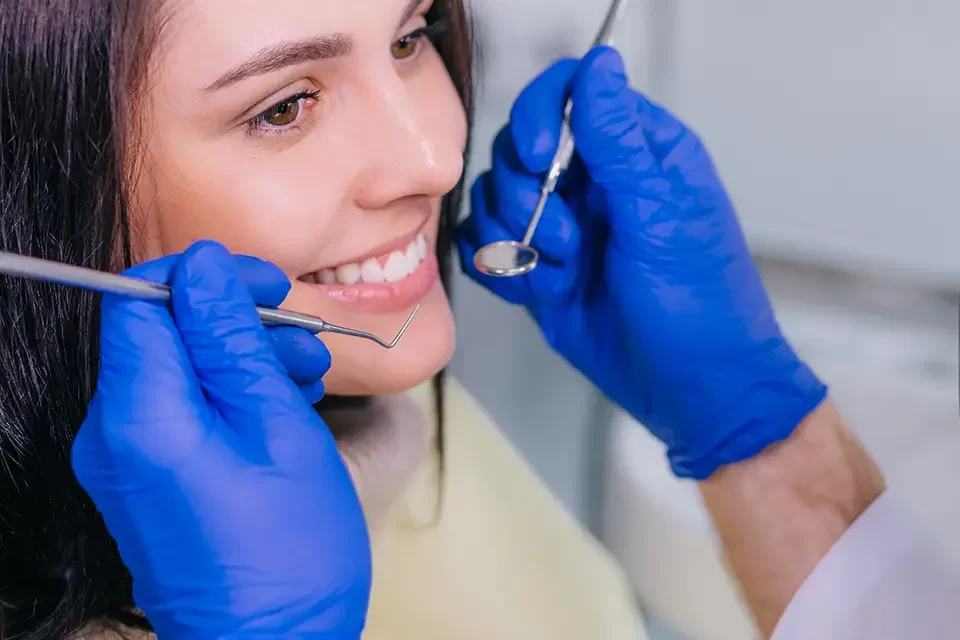
Clear explanations, gentle cleanings, and photos you can understand—no mystery, no pressure. You’ll leave with a simple summary and a step-by-step plan if anything needs follow-up. For many families, the day-to-day importance of dental exams finally “clicks” when they can see what we see and why we recommend what we do.
Conclusion
Regular checkups aren’t busywork. They’re quite early-warning systems, budget savers, and a straightforward way to protect your broader health. That’s the real importance of dental exams: small, steady care that keeps bigger problems off your calendar. If you’re due—or overdue—book a visit with DentiFlow Dentistry in Thornhill, Ontario, we’ll make good use of your time, answer every question, and send you home with a clear plan to keep your smile comfortable and strong.
FAQs — The Importance of Dental Exams
If nothing hurts, do I still need a checkup?
Yes. Pain is a late signal. The importance of dental exams is finding small issues early, when fixes are simple and comfortable.
Do I really need X-rays every year?
Not always. We set frequency based on your cavity risk and gum health. That case-by-case approach is part of the importance of dental exams done well.
Can dental visits pick up non-dental problems?
Sometimes. Signs of reflux, medication-related dry mouth, anemia, and blood sugar issues can show up in the mouth. Another reason the importance of dental exams goes beyond teeth.
What if I'm anxious about cleanings?
Tell us. We pace the appointment, use gentle techniques, and offer comfort options. Keeping visits doable is central to the importance of dental exams—because you’ll come back.