Gums that bleed when you brush, morning breath that won’t budge, or a dentist’s note about “pockets”—these are the usual signs it’s time to talk about a deep dental cleaning procedure. At DentiFlow Dentistry, we take a calm, systematic approach that removes the hard-to-reach bacteria below the gumline, helps inflamed tissue heal, and gives you a clean slate you can actually maintain at home.
Why a Deep Dental Cleaning Procedure Is Different from a Regular Cleaning
A routine polish focuses above the gumline. A deep dental cleaning procedure goes below it. When plaque hardens into tartar, it roughens root surfaces and irritates the gums, creating deeper pockets where more bacteria thrive. The goal is simple: smooth those roots, clear the infection source, and help the gums reattach so pockets shrink.
Who Typically Needs a Deep Dental Cleaning Procedure
If you’ve been told you have early gum disease (gingivitis that’s progressed to periodontitis), a deep dental cleaning procedure is often the first line of treatment. Common flags include:
- Bleeding when brushing or flossing
- Persistent bad breath or a “metallic” taste
- Tender, puffy, or receding gums
- X-rays showing tartar below the gumline or early bone loss
Catching these patterns early makes the next steps shorter, gentler, and more predictable.
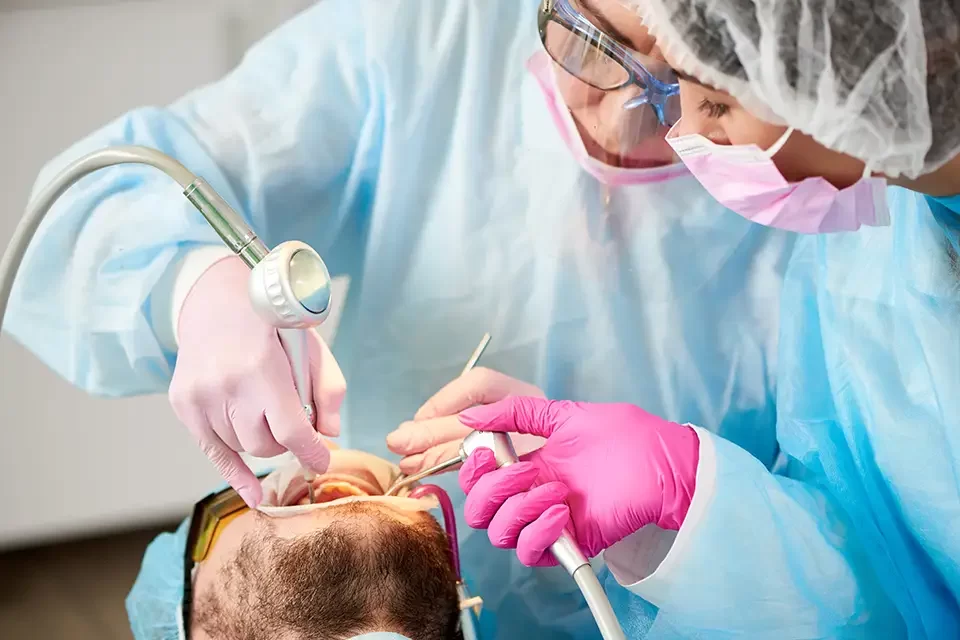
Deep Dental Cleaning Procedure: Step 1 — Assessment & Mapping
Before we touch a scaler, we measure and map. During the initial phase of a deep dental cleaning procedure, your clinician will:
- Measure periodontal pocket depths at six points per tooth
- Note areas of bleeding or inflammation
- Review recent X-rays to confirm tartar under the gumline
- Discuss symptoms and daily habits (mouth breathing, grinding, dry mouth, meds)
This map tells us where the infection hides—and how to prioritize each quadrant.
Step 2 — Comfort First
Numbing is targeted and conservative. For most patients, a local anesthetic is placed along the treated areas so you feel pressure and vibration, not pain. If you’re anxious, we can pace the deep dental cleaning procedure over shorter visits or add light sedation options. Comfort makes the treatment thorough—and thorough is how gums heal.
More: How to Find the Best Family Dentist Near You: A Practical Guide
Deep Dental Cleaning Procedure: Step 3 — Scaling (UNDER the Gumline)
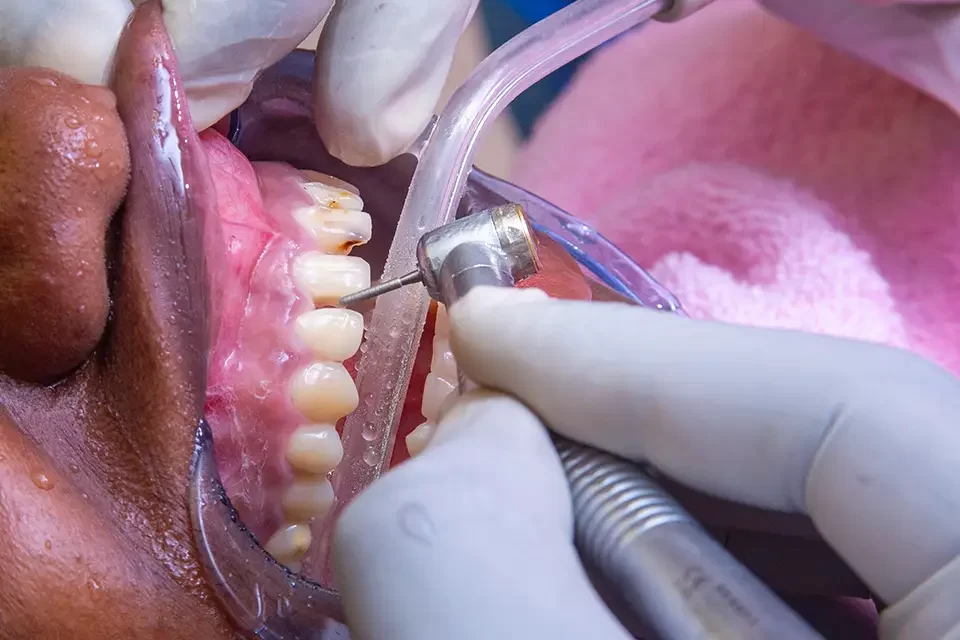
This is the “deep” in the deep dental cleaning procedure. Using ultrasonic tools (gentle vibrations + water spray) and fine hand instruments, we remove tartar and biofilm from the root surfaces below the gum margin. Think of it as evicting an entrenched tenant—quietly, completely, room by room. Cleaner roots mean calmer gums.
Step 4 — Root Planing (Smoothing the Surface)
After scaling, roots may feel slightly rough where tartar sat. In a deep dental cleaning procedure, we smooth those areas so bacteria have fewer places to hide and gums can reattach. This step directly affects pocket depth—smoother roots invite healthy, tight tissue instead of swollen, bleeding edges.
Deep Dental Cleaning Procedure: Step 5 — Antibacterial Support (As Needed)
Not every case needs medication, but targeted support can help. During a deep dental cleaning procedure, we may place localized antimicrobials in specific pockets, recommend short-course rinses, or suggest at-home tools (like a water flosser) where access is tricky. The aim is to keep the pocket clean while the tissue seals.
What to Expect Right After a Deep Dental Cleaning Procedure
Mild tenderness and temporary sensitivity to cold are common for a day or two. Most people go back to work the same day. After a deep dental cleaning procedure, we’ll share a simple plan:
- Soft foods the first evening; lukewarm water, not hot
- Gentle brushing that night; flossing resumes the next day unless told otherwise
- Warm saltwater rinses for comfort (or a prescribed rinse if indicated)
- Over-the-counter pain relief if you need it
Sensitivity fades as the gums settle, and breath usually improves quickly.
Healing Timeline After a Deep Dental Cleaning Procedure
Gums start to look less puffy within a week. Tangible milestones:
- 1–2 weeks: Bleeding decreases; tenderness resolves
- 4–6 weeks: Re-evaluation—pockets often reduce by 1–3 mm in responsive areas
- 3 months: Maintenance visit to reinforce gains and polish any new buildup
Because a deep dental cleaning procedure treats infection—not just stain—your home care becomes the main driver of long-term stability.
Daily Care That Protects Your Results
A great deep dental cleaning procedure gives you a fresh start; your routine keeps it. We’ll tailor the basics to your mouth:
- Soft brush, two minutes, twice daily (manual or powered)
- Floss or interdental brushes suited to your spaces
- Optional water flosser for bridges, tight contacts, or dexterity challenges
- Nightguard if grinding or clenching is contributing to gum stress
- Tobacco cessation and dry-mouth strategies, if applicable
These small, doable habits are what turn one clean appointment into healthier gums year-round.
How Often Will You Need Maintenance After a Deep Dental Cleaning Procedure?
Gum tissue needs a little more attention while it heals. Many patients benefit from 3–4 month maintenance intervals after a deep dental cleaning procedure, and then we reassess. If your pockets remain shallow and home care is strong, we may return to twice-yearly visits. The schedule follows your tissue response—not a one-size calendar.
Cost, Insurance, and Value of a Deep Dental Cleaning Procedure
Fees reflect how many quadrants need treatment and whether adjuncts (local antimicrobials, medicated rinses) are used. Many plans recognize a deep dental cleaning procedure (periodontal scaling and root planing) separately from routine cleanings; benefits vary, and we’ll help you check. The value is straightforward: reduce infection now to protect bone, lower emergency risk, and keep natural teeth longer.
Myths vs. Facts About a Deep Dental Cleaning Procedure
- “It’s going to hurt.” With proper numbing, most people feel pressure, not sharp pain; post-tenderness is mild and short-lived.
- “Once I do it, I’m cured.” Gum health is ongoing. A deep dental cleaning procedure resets the baseline; maintenance keeps it.
- “It will make my teeth loose.” Infection loosens teeth; removing tartar and letting the gums tighten can make teeth feel more stable.
- “I brush well—why do I need this?” Tartar under the gumline can’t be brushed away. That’s exactly what this procedure targets.
Why DentiFlow Dentistry for Your Deep Dental Cleaning Procedure
- Precision diagnosis: Pocket mapping, X-rays, and photos to show exactly where the issue lives
- Comfort-led care: Targeted anesthesia, gentle instruments, and clear pacing
- Practical coaching: Tools and routines that fit your real schedule
- Measured follow-up: We re-check pockets and adjust the plan so your deep dental cleaning procedure delivers lasting gains
Conclusion
Healthy gums are quiet gums—no bleeding, no swelling, no surprise soreness. A deep dental cleaning procedure clears the infection where brushes can’t reach and gives your mouth a fair shot at healing. If your gums have been sending signals, let’s catch it early.
Book a visit with DentiFlow Dentistry. We’ll map your gums, explain the plan in plain English, and complete a comfortable, deep dental cleaning procedure with follow-up that keeps you on track—one steady, healthy step at a time.
FAQs
Will I be numb for the deep dental cleaning procedure?
Yes. We numb the treated areas so you feel pressure and vibration, not sharp pain. Sensation returns gradually over a few hours.
How long does a deep dental cleaning procedure take?
Most patients book two visits of 60–90 minutes each (two quadrants per visit). Very localized cases can be done in one longer appointment.
Can gums grow back after a deep dental cleaning procedure?
Inflamed, puffy tissue can tighten and reattach, reducing pocket depths. True recession (lost gum height) doesn’t “regrow,” but healthier tissue is firmer, less tender, and easier to keep clean.