A child’s first experiences in the dental chair can shape how they feel about oral health for years. At DentiFlow Dentistry in Thornhill, Ontario, we plan every visit around calm, clarity, and small wins—so your child learns that care is simple, safe, and predictable. This guide explains how a family dentist for kids builds confidence step by step, from the first “happy visit” to preventive routines that actually stick at home. You’ll see how we pace appointments, what we check (and why), and when to introduce fluoride, sealants, or orthodontic screenings. Most importantly, you’ll learn how choosing a family dentist for kids turns dental care from a source of stress into an ordinary part of growing up.
What A First Visit Looks Like (And Why It's Short on Purpose)
We start with a conversation—health history, comfort cues, and your child’s daily routine—then a gentle look at teeth, gums, and bite. Photos help us explain what we see in kid-friendly terms. If your child is very young, the exam may be lap-to-lap (with a parent’s help) and only a few minutes long. Keeping things brief is strategic: the goal is one calm memory, not a marathon appointment. This is where a family dentist for kids shines—pacing care to attention spans, not the clock.
Family Dentist for Kids: How We Reduce Anxiety from The Start
We use simple, repeatable steps so each visit feels familiar:
- Predictable Flow: Same greetings, same order of steps, same chair adjustments.
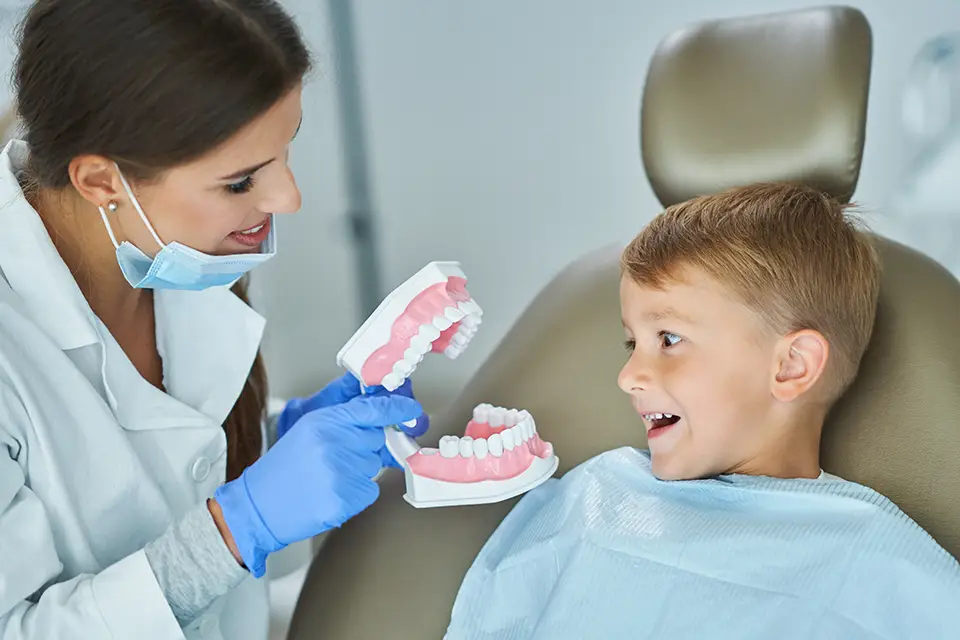
- Tell–Show–Do: We name a tool, demonstrate on a finger or plush toy, then use it briefly in the mouth.
- Choice Within Structure: “Mint or strawberry paste?” “Glasses on or off?”
- Short Wins: One polished tooth earns praise; next time, we do three.
- Parental Coaching: You hear the phrases we use, so home routines match clinic language.
This consistency is the everyday advantage of choosing a family dentist for kids—confidence grows because nothing feels random.
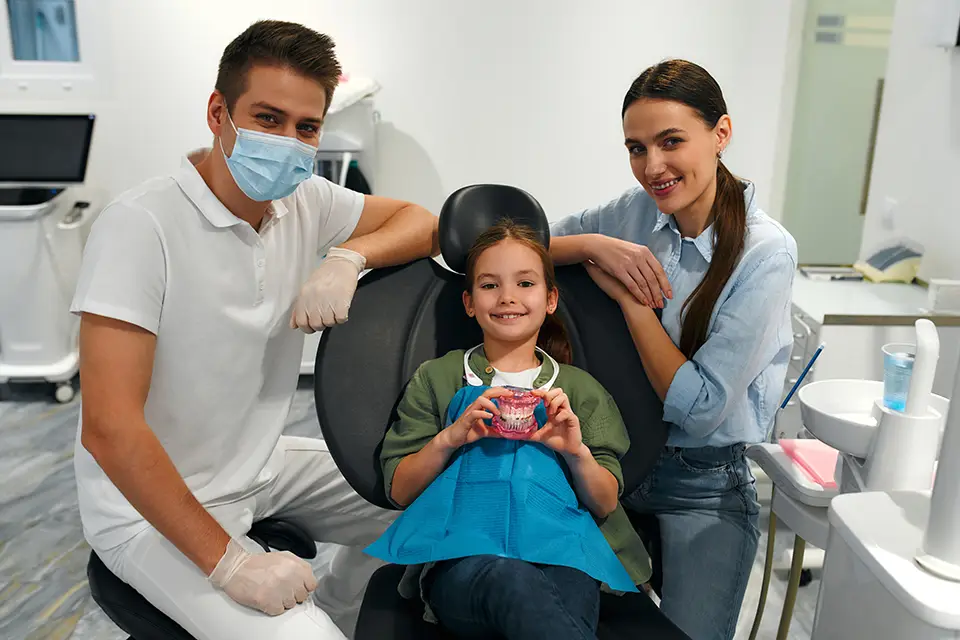
Building A Prevention Plan That Actually Works at Home
Prevention succeeds when it fits real life. We tailor three basics:
- Toothbrushing: Soft brush, pea-sized fluoridated toothpaste after age 3 (a smear for younger children who can’t spit). Two minutes, twice daily, with a simple song or timer.
- Snacking Strategy: Keep sugary or sticky foods to mealtimes, and offer water after. Frequent sipping of sweet drinks is the fastest route to cavities.
- Fluoride & Sealants: Fluoride varnish strengthens enamel; sealants protect deep grooves on molars when they erupt.
Because a family dentist for kids follows your child over time, we adjust these steps as teeth erupt and habits change.
Ages And Stages: What To Expect Each Year
- Toddlers (1–3): First visit by the first birthday or within six months of the first tooth. We focus on home care and cavity-risk coaching, with a very short exam.
- Early Childhood (4–6): We watch spacing, enamel defects, and early habits like thumb sucking. This is often when the first fluoride varnishes begin.
- Middle Childhood (7–9): First permanent molars and incisors appear; sealants and bite checks become essential.
- Pre-Teens/Teens (10–13+): Alignment patterns are clearer; we screen for orthodontic timing, sports guards, early gum changes, and diet-related risks.
At each step, a family dentist for kids keeps records consistent—so small changes become clear trends, not surprises.
Family Dentist for Kids: Hygiene Visits Without The Stress
Cleaning is scaled to tolerance. If a full polish is too much the first time, we do what’s comfortable and plan a short follow-up. For sensitive kids, we switch to gentler cups, warm water rinses, and quieter suction tips. We also review brushing technique with you and your child using a mirror, so the same method is easy to repeat at home. The structure stays the same, visit to visit—part of how a family dentist for kids normalizes care.
The Role of X-Rays (Taken Only When Needed)
We take radiographs selectively. For low-risk, cavity-free children with tight contacts, bitewings may wait; for higher-risk kids, small, carefully positioned images help us find between-tooth cavities early. Radiation exposure is kept as low as reasonably achievable with digital sensors, narrow fields, and protective shields. A family dentist for kids weighs risk, benefit, and timing—no routine for routine’s sake.
Family Dentist for Kids: Mouthguards, Habits, And Everyday Protection
Protecting teeth is easier than repairing them:
- Sports Guards: Custom guards fit better and are more comfortable to wear—kids actually use them.
- Night Grinding: Common in spurts; we watch enamel wear and jaw comfort before recommending any appliance.
- Thumb Sucking / Pacifiers: Gradual habit shaping with positive cues; no shaming.
- Orthodontic Readiness: Early guidance for crossbites, crowding, or significant spacing.
A proactive family dentist for kids adds these safeguards before small issues become big ones.
Nutrition And Cavity Risk: Practical, Not Perfect
We don’t ask for a sugar-free childhood—that’s unrealistic. Instead, we focus on patterns: keep sweets with meals, swap frequent juice for water, and avoid sticky foods that sit in grooves. If your child has dry mouth from medications or mouth breathing, we adjust the plan—xylitol mints for older kids, fluoride boosters, and timing snacks so saliva can recover. A family dentist for kids personalizes prevention to the child, not the ideal.
Family Dentist for Kids: When Treatment Is Needed: Comfort First
If a small filling or sealant repair is necessary, we keep explanations simple, use a topical anesthetic before numbing, and go slowly. Many children do well with distraction, breathing cues, and a short, clear countdown before each step. For particularly anxious visits, nitrous oxide (“laughing gas”) can take the edge off while keeping kids awake and responsive. The point of a family dentist for kids is not only to fix the tooth, but to preserve trust for the next visit.
Costs, Scheduling, And Realistic Timelines (They Vary By Factors)
Preventive visits are short and typically scheduled every six months; higher-risk kids may benefit from three- or four-month hygiene intervals. Sealants are placed when first and second molars erupt (timing varies by child). Fees reflect time and materials; we provide written estimates and sequence care so families can plan. Over time, regular care with a family dentist for kids costs less than urgent, unplanned treatment.
Family Dentist for Kids: Why DentiFlow Dentistry (Thornhill)
You’ll see the same friendly faces, hear the same phrases, and recognize the same order of steps each visit. We chart progress in plain language, share photos you can reference at home, and give you a short, workable checklist after every appointment. That’s how a family dentist for kids makes dentistry feel ordinary—in the best way.
Conclusion
Calm dental care isn’t an accident; it’s a routine. With short, predictable appointments, clear coaching, and prevention timed to growth, your child learns that oral health is simple and doable. If you’d like a plan that fits your family’s rhythm, book a visit with DentiFlow Dentistry in Thornhill. We’ll map a gentle path from happy visits to healthy habits—and keep confidence growing with every small win.
FAQs — Family Dentist for Kids
When should my child first see a dentist?
By the first birthday or within six months of the first tooth. Early, calm visits let a family dentist for kids guide brushing, diet, and fluoride before problems start.
How often should we schedule check-ups?
Most children do well with six-month visits. If there’s a higher risk—tight contacts, early cavities, or diet/medication factors—a family dentist for kids may suggest three- or four-month hygiene to stay ahead.
Do kids really need fluoride and sealants?
Fluoride strengthens enamel; sealants protect deep grooves where brushes can’t reach. A family dentist for kids recommends them based on eruption timing and risk, not automatically.