The smile you’ve built over decades deserves thoughtful upkeep—not guesswork. As we age, changes in saliva, medications, dexterity, and diet can quietly raise the risk of cavities and gum disease. That’s why preventive dental care for seniors is less about “fixing problems” and more about building small, sustainable routines that keep teeth, gums, and dentures/implants comfortable and reliable. At DentiFlow Dentistry in Thornhill, Ontario, we focus on calm, practical steps tailored to real life—what you can do at home, what to expect at check-ups, and how to adjust care around medications or mobility. In this guide, you’ll find the essentials of preventive dental care for seniors presented plainly, with specific tips you can start today and bring to your next visit for a personalized plan.
What Changes with Age—and Why Preventive Dental Care for Seniors Matters
Ageing doesn’t doom oral health, but the playing field shifts. Enamel thins slightly, roots can become exposed with gum recession, and saliva may decrease with common medications. These changes make teeth more sensitive, plaque harder to remove, and acids more damaging. That’s exactly where preventive dental care for seniors earns its keep: shorter, well-timed appointments and targeted home routines offset biological shifts so comfort and function stay predictable.
Daily Home Habits That Actually Move the Needle
Two minutes, twice a day, still works—done the right way. Use a soft brush angled at 45° to the gumline with gentle circles; hard scrubbing causes wear. Add floss or interdental brushes once daily, then finish with a neutral fluoride rinse in the evening. If grip or reach is tough, try an electric brush with a larger handle or a simple rubber sleeve to improve control. These tiny upgrades make consistency—and results—far more likely.
Preventive Dental Care for Seniors: The Hygiene-Visit Playbook
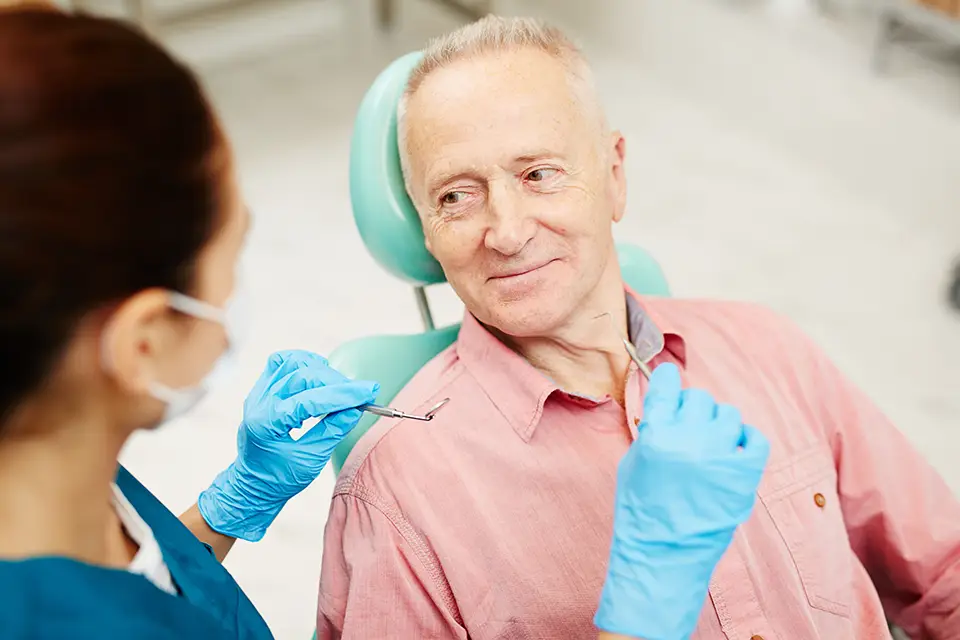
Your professional visits should be precise and kind to tissues. Tell us about any new medications, joint concerns, or recent hospital stays so we can pace the appointment and choose the right tools. A thorough cleaning, root-surface polishing, and a fluoride varnish help reduce sensitivity and strengthen areas that are harder to clean at home. Schedule rhythm matters too; for higher-risk mouths, preventive dental care for seniors often means three- or four-month intervals rather than six.
Preventive Dental Care for Seniors: Medications, Dry Mouth, and Cavity Control
Dry mouth (xerostomia) is common and fixable with small habits. Pair symptom relief with cavity prevention:
- Hydration Routine: Sip water regularly; keep a bedside glass for night-time dryness.
- Sugar-Free Supports: Use xylitol mints or gum after meals to stimulate saliva and reduce acid attack.
- Fluoride Boosts: A prescription-strength toothpaste at night adds extra protection where saliva is low.
- Mouth Moisturizers: Saliva substitutes or gels before sleep keep tissues comfortable and reduce morning soreness.
- Medication Review: Share updated lists each visit; adjusting timing (with your physician’s guidance) can ease dryness.
Consistent tweaks like these are the backbone of preventive dental care for seniors when saliva is reduced.
Nutrition That Protects Teeth Later in Life
Think “steady fuel, fewer acid spikes.” Build meals with protein, fibre, and dairy or calcium-fortified alternatives to buffer acids and strengthen enamel. Keep fruit as part of meals rather than grazing on dried fruit or sweets between meals. If you enjoy tea or coffee, rinse with water afterward and save brushing for 20–30 minutes later—rushing to brush softened enamel can increase wear. The goal is a calm, tooth-friendly rhythm you can keep every day.
More: Dental Filling Cost with Insurance: What to Expect (and How to Lower Your Bill)
Preventive Dental Care for Seniors: Denture and Implant Essentials
Well-fitting dentures and stable implants are only as healthy as the tissues around them. Remove dentures at night, clean them with a non-abrasive cleanser, and brush your gums and tongue gently to improve blood flow and freshness. For implants, use super floss or small interdental brushes to clean around posts and under bridges. A quick annual photo set or targeted X-rays helps confirm that bone levels are stable—an important checkpoint in preventive dental care for seniors with implant restorations.
Comfort, Joints, and Safe Chewing
Jaw joints and chewing muscles appreciate small accommodations:
- Bite Balance: If one side aches, we’ll check contacts and smooth high spots to spread pressure evenly.
- Night Guards: If you clench or grind, a slim guard prevents chips and morning soreness.
- Texture Tweaks: Keep crisp foods—apples, carrots—by cutting into smaller pieces; you still get crunch without overloading teeth.
- Lip & Cheek Care: A simple lanolin-based balm prevents cracking at the corners that can occur with dryness.
These supports make preventive dental care for seniors feel good day to day—not just “medically correct.”
Preventive Dental Care for Seniors: Caregivers, Scheduling, and Making Visits Easier
If a spouse, adult child, or caregiver helps, bring them. Two sets of ears make new routines stick, and they can spot practical barriers at home (like hard-to-reach bathroom storage). Morning visits often work best for energy and medication windows. Let us know about mobility or hearing needs in advance; we can extend the appointment slightly, seat you in a quieter room, and provide written summaries to take home.

Costs, Insurance, and Planning Ahead
Coverage varies, but prevention is typically the best value in any plan. Ask us to prioritize a year-long roadmap: what’s essential now, what supports comfort, and what can wait. A short written summary keeps everyone aligned and helps caregivers or family budget wisely. The point of preventive dental care for seniors is fewer surprises—financially and clinically.
Preventive Dental Care for Seniors: The DentiFlow Dentistry Difference in Thornhill
Our senior-focused visits are unhurried and respectful. We photograph before-and-after areas you can’t easily see—back molars, implant sites—so progress is visible, not abstract. We also tailor tools: softer cups for sensitive gums, quieter polishers for comfort, and simple at-home kits you’ll actually use. That’s how preventive dental care for seniors becomes a routine you look forward to, not a chore.
Conclusion
Staying comfortable, eating well, and keeping a smile you’re proud to share comes from small, repeatable steps—not drastic overhauls. With the right schedule, dryness fixes, gentle technique, and support for dentures or implants, preventive dental care for seniors protects what matters most: everyday ease and confidence. If you’re ready to map a plan that fits your health, medications, and routines, book a visit at DentiFlow Dentistry in Thornhill. We’ll build a simple checklist you can keep on the bathroom counter—and adjust it together as your needs change.
FAQs — Preventive Dental Care for Seniors
How often should I book cleanings and exams?
For many adults, six months works well. If you have dry mouth, gum concerns, or implants, we may suggest every three to four months as part of preventive dental care for seniors to keep plaque, acidity, and inflammation under control.
What's the best toothbrush and toothpaste for sensitive teeth?
A soft or extra-soft brush (manual or electric) paired with a low-abrasion, high-fluoride paste. For root sensitivity, a desensitizing formula at night supports preventive dental care for seniors where gums have receded.
Can I still enjoy fruit and tea without harming my teeth?
Yes—have fruit with meals, not as constant snacks, and rinse with water after tea or coffee. Wait 20–30 minutes before brushing to protect softened enamel.