If you’ve wondered about the best age to see pediatric dentist, you’re not alone—most parents ask this right after the first tooth shows up. At DentiFlow Dentistry in Thornhill, Ontario, we make those first visits calm, short, and truly useful, so you leave knowing how to clean tiny teeth, handle snacks, and spot issues early. In this guide, we’ll explain the best age to see pediatric dentist in plain language, outline what happens at the appointment, and show you how early care prevents bigger treatments later. You’ll get a practical timeline, tips for soothing first-visit nerves, and a simple at-home routine that actually fits family life.
The First Milestones: When Teeth Arrive, So Should a Plan
Baby teeth typically erupt around six months, though “early” or “late” is still normal. The first dental visit often happens by the first tooth or around the first birthday. Why so soon? Small mouths change quickly, and early checks let us spot lip/tongue ties, enamel defects, or feeding patterns that raise cavity risk. Quick, positive visits set the tone for a lifetime—and they’re short on purpose.
Best Age to See a Pediatric Dentist: Why "One and Fun" Works
We call it “one and fun” because it’s a simple anchor you’ll remember. At around age one, children are curious, not fearful, and a short, friendly appointment becomes just another new experience—like the pediatrician or a first haircut. For many families, this timing is truly the best age to see pediatric dentist because it blends prevention, parent coaching, and a tiny bit of examination without overwhelming your child.
What Actually Happens at the First Visit
We keep the first appointment gentle and predictable:
- Warm Welcome: Your child stays on your lap (knee-to-knee position) so they feel secure.
- Quick Look: We count teeth, check gums and frenums, view how the teeth meet, and look for early spots of demineralization.
- Clean & Protect (When Helpful): A quick polish and fluoride varnish may be applied for high-risk kids.
- Coaching for Parents: Brushing angles, how much toothpaste to use, bottle/soother tips, and snack timing that lowers risk.
- Simple Next Step: We schedule a six-month review or earlier if we’re tracking something specific.
This is preventive care, not a stressful test—and it’s exactly why early timing is often the best age to see pediatric dentist for long-term oral health.
More: Family Dentist for Kids: Making Dental Visits Stress-Free
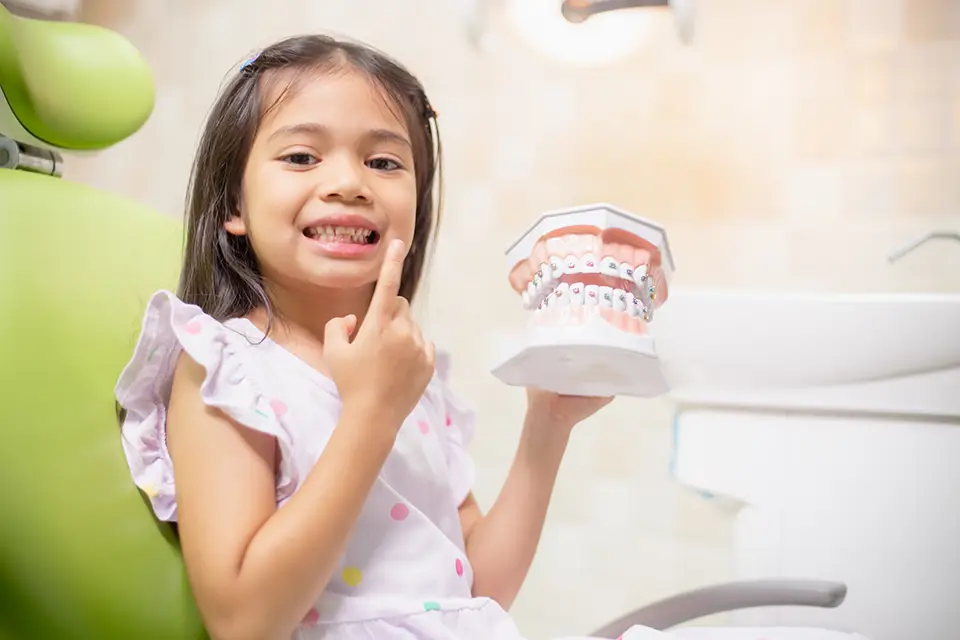
Risk Factors That Shift the Timeline
Some families benefit from an even earlier “quick check”:
- Feeding Patterns: Prolonged overnight bottles or frequent sipping on sweet drinks increase decay risk.
- Enamel Concerns: Chalky spots or grooves need early monitoring.
- Medical Considerations: Asthma inhalers, reflux, or medications that dry the mouth can change risk.
- Family History: If siblings had early cavities, we’ll keep a closer schedule.
These factors don’t mean trouble; they just guide us to the best age to see pediatric dentist for your child, sometimes a little ahead of the one-year mark.
Best Age to See Pediatric Dentist: Building the "Dental Home"
A “dental home” is a clinic that knows your child, tracks growth, and is easy to reach for advice. Establishing it early has practical wins:
- Continuity: We compare each visit to the last, not to a generic chart.
- Familiarity: Kids recognize the team, sounds, and routine—less stress, better cooperation.
- Faster Help: When teething, injuries, or sensitivity pop up, you already have a plan.
For many families, the stability of a dental home makes the first birthday the best age to see pediatric dentist—it launches a routine that’s simple to keep.
Parent Playbook: Making the First Visit Smooth
Turn the appointment into a “tiny celebration,” not an exam:
- Keep It Brief: Book morning slots when children are well-rested.
- Snack Strategy: Light snack, then brush before the visit—clean teeth make the exam faster.
- Words that Work: Say “We’re going to count teeth and show you how to make them shiny,” not “It won’t hurt.”
- Comfort Items: Bring a favourite small toy or blanket for the chair.
- Model Calm: Your child mirrors your tone. If you stay relaxed, they tend to relax too.
These simple steps reinforce that early visits are ordinary—and why early timing is often the best age to see pediatric dentist for confidence.
Home Care by Age: Micro-Specifics That Matter
A good routine is short and repeatable:
- Under 3 Years: Brush twice daily with a smear of fluoride toothpaste (about a rice grain). Parents do the brushing.
- Ages 3–6: Increase to a pea-sized amount. Kids help, parents finish; floss any contacts that touch.
- School Age: Keep parent “quality control” at night; morning can be more independent.
- Snacks & Drinks: Water between meals; keep sweets with meals rather than scattered through the day.
Pair this with regular visits, and you’re using the most effective periodontal treatment for little mouths: prevention by routine (and yes, that starts at the best age to see pediatric dentist).
Best Age to See Pediatric Dentist: Fluoride, Sealants, and Simple Preventives
Preventive tools are gentle and quick:
- Fluoride Varnish: Brushed on in seconds; helps harden enamel after erupting teeth hit the real world of snacks and brushing learning curves.
- Fissure Sealants (When Age-Appropriate): Thin protective layers on deep grooves of molars; great for kids with sticky snacks or early plaque patterns.
- Custom Guidance: If your child is prone to “grazing,” we’ll anchor a snack routine that lowers risk without major food battles.
These small interventions work best when they start early—another reason the one-year window is often the best age to see pediatric dentist for long-term protection.
Injuries, Teething, and Growth Spurts: When to Call
- Bumps & Falls: If a tooth turns grey, becomes loose, or the lip frenulum tears, call—quick photos emailed to us can triage next steps.
- Teething Discomfort: Chilled (not frozen) teething rings, gentle gum massage, and lots of cuddles usually do the trick.
- Crowding Signals: Early spacing is normal; no spacing with small jaws may prompt a monitoring plan.
Having a dental home means you’re not guessing—you’re guided, which is exactly what the best age to see pediatric dentist framework is meant to deliver.
Best Age to See Pediatric Dentist: Costs, Scheduling, and What "Short and Positive" Means
First visits are intentionally brief. Fees vary with what’s needed (examination, fluoride varnish, radiographs only if indicated). We schedule reviews every six months for most children, then flex timing if risk changes. Our team at DentiFlow Dentistry keeps language simple, demonstrates brushing on a puppet or mirror, and celebrates small wins—because positive experiences make future care easier, faster, and less costly.
Why DentiFlow Dentistry (Thornhill, Ontario)
You’ll get a friendly, step-by-step visit tailored to your child’s age and temperament, plus clear coaching you can use that same evening. We chart growth, share photos when helpful, and give you a home routine that takes minutes—not a lecture that takes willpower. Most of all, we help you anchor the best age to see pediatric dentist to your family’s calendar so prevention becomes automatic.
Conclusion
The first dental visit sets the tone for years. By choosing a calm, brief appointment around the first tooth or first birthday, you turn “dentist day” into something familiar and easy, and you get personalized guidance before small issues grow. If you’re ready to establish your child’s dental home and lock in the best age to see pediatric dentist, book a visit at DentiFlow Dentistry in Thornhill. We’ll count teeth, share simple tips, and make sure your child leaves smiling—and ready for the next milestone.
FAQs — Best Age to See Pediatric Dentist
What exactly is the best age to see pediatric dentist?
Around the first tooth or by the first birthday is a reliable anchor. Early visits are short, gentle, and focused on prevention—an easy way to set habits before problems start.
My child is two and hasn't been yet. Is it too late?
Not at all. The next best age to see pediatric dentist is now. We’ll start with a friendly introduction, check risk, and build a simple routine you can keep.
Will my child need X-rays at the first visit?
Only if indicated. Many first visits don’t require radiographs; we decide based on what we see and your child’s risk.