If you’ve ever left an appointment wondering what your dentist was looking for—and why certain steps matter—this guide is for you. At DentiFlow Dentistry in Thornhill, Ontario, we take the mystery out of a routine dental check up by showing you the sequence, the reasons behind each step, and how small findings shape your personal care plan. A routine dental check up should feel calm, predictable, and useful: clear explanations, photos you can see, and two or three home tweaks that make your next visit easier. Below, we walk through the process start to finish—no hype, just practical details you can use immediately.
Step 1: Welcome, Updates, and Goals
Before any mirror appears, we talk. Medications, recent dental work, new sensitivities, morning jaw tension, sleep patterns, and dietary shifts all influence findings. This opening sets the tone for a thoughtful routine dental check up: we’re not chasing “perfect”—we’re mapping your reality so the plan fits your day, your budget, and your timeline.
Step 2: Medical & Oral Health Screening — The Foundation of a Routine Dental Check Up
We review your medical history and note conditions that change risk (e.g., diabetes, reflux, dry mouth from medications). This is where prevention gets precise.
- Blood Pressure (when indicated): A quick check for safe treatment planning.
- Medication Review: Identifies dryness or bleeding tendencies that affect cleaning and healing.
- Allergy & Sensitivity Notes: Guides our choices for anesthetics, polishing pastes, and desensitizers.
These basics turn a generic visit into a targeted routine dental check up that respects your overall health.
Step 3: Gum Health Map — Why Numbers Matter
Healthy gums don’t guess; they measure. We chart pocket depths (typically 2–3 mm is healthy), bleeding points, and plaque scores. You’ll see where cleaning is working and where the technique needs a nudge. This data anchors the rest of the routine dental check up, because gum stability influences everything from sensitivity to long-term tooth support.
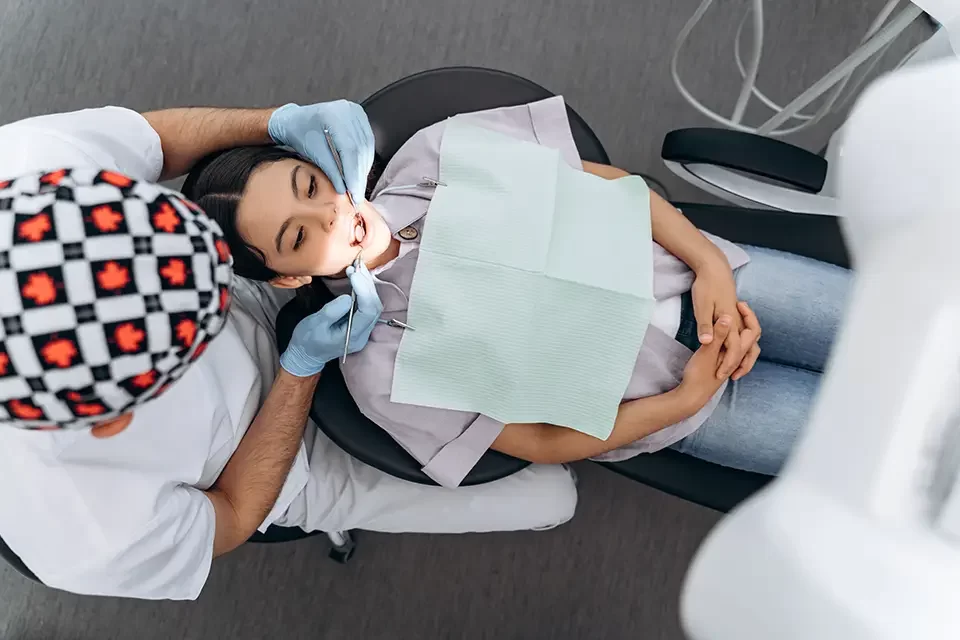
Step 4: Cavity & Enamel Assessment During a Routine Dental Check Up
Here we check grooves, contact points, and any “zing” areas with cold or sweets.
- Visual & Tactile Exam: Finds early enamel changes before they become fillings.
- Interproximal Focus: Where decay hides between teeth and under old edges.
- Risk Pattern Notes: Acid exposure, snacking frequency, or mouth breathing can shift strategies.
Early catches mean conservative fixes; that’s the quiet win of a careful routine dental check up.
More: Pediatric Dentist Vs General Dentist: Key Differences Parents Must Know
Step 5: Bite, Jaw, and Wear — Small Clues, Big Payoffs
We look for flat spots, tiny edge chips, and notches near the gumline that suggest clenching or grinding.
- Occlusal Contacts: Are forces shared, or is one tooth taking the hit?
- Muscle & Joint Check: Morning stiffness or clicks guide night-guard or bite adjustments.
- Crack Lines: Early smoothing or protective restorations prevent sudden breaks.
This prevents “unexpected emergencies” and turns your routine dental check up into long-term risk control.
Step 6: Soft-Tissue & Oral Cancer Screening
A systematic, one-minute scan of tongue, cheeks, palate, and floor of mouth looks for colour or texture changes that don’t belong. Most findings are benign; the point is early detection. It’s quiet, quick, and included—an essential part of every routine dental check up.
Step 7: Imaging When It Changes Decisions
Low-dose bitewings or targeted images are taken only when results alter the next steps.
- Between-Teeth Decay: The common “hidden” area.
- Bone Levels: Gum disease status over time.
- Old Restorations: Margins, recurrent decay, or cracks you cannot see in a mirror.
Imaging supports the story your mouth is already telling—another reason a routine dental check up feels objective, not opinion-based.
Step 8: Professional Cleaning — Comfort and Technique
Scaling removes tartar above and below the gumline; polishing smooths surfaces so plaque has fewer places to stick.
- Gentle Scaling: Pacing that respects sensitive spots; breaks when you need them.
- Polish & Localized Stain Removal: Aesthetic lift without abrasion.
- Targeted Fluoride or Desensitizer: Especially for exposed root surfaces or cold “zings.”
You should leave a routine dental check up feeling notably smoother, with gums that calm down—not flare up.
Step 9: Photos, Findings, and a Plain-English Plan
Seeing is believing. We show quick intraoral photos so you understand priorities.
- Now / Soon / Later: Stabilize pain-risk items first; schedule the rest when life allows.
- Two or Three Home Tweaks: Technique > gadgets—changes you’ll actually do.
- Written Estimate (if needed): Clear fees and staging; no surprises.
This is where a routine dental check up becomes a roadmap you can keep.
Daily Habits That Multiply Results: The Foundation of a Routine Dental Check Up
- Brush Smarter: Soft brush, 45° angle, small circles; scrubbing misses margins.
- Clean Between Teeth: Floss, interdental brushes, or a water flosser—pick the one you’ll do daily.
- Time Your Brushing: After acidic drinks, wait 30 minutes before brushing.
- Hydrate & Balance: Water between coffees; sugar-free xylitol can help reduce the risk of dry mouth.
Tiny, sustainable moves turn today’s routine dental check up into next month’s easier visit.
Costs, Timelines, and What Changes Them
Preventive visits usually take 45–75 minutes, depending on scaling needs and whether images are due. Fees vary with time, complexity, and add-ons like desensitizing varnish. We provide estimates before any non-routine care and can stage treatment. The best value is a consistent routine dental check up cadence plus small fixes early—less drama, fewer big procedures.
Children, Teens, Adults, and Seniors — Same Visit, Different Focus
- Children: Eruption tracking, sealants for deep grooves, and fun brushing demos.
- Teens: Hygiene around braces/aligners, sports guards, snack/acid coaching.
- Adults: Gum maintenance, crack prevention for desk-time clenchers, conservative cosmetics when desired.
- Seniors: Dry-mouth strategies, denture/implant maintenance, medication-aware planning.
The structure stays the same; the emphasis shifts—how a routine dental check up stays relevant at every age.
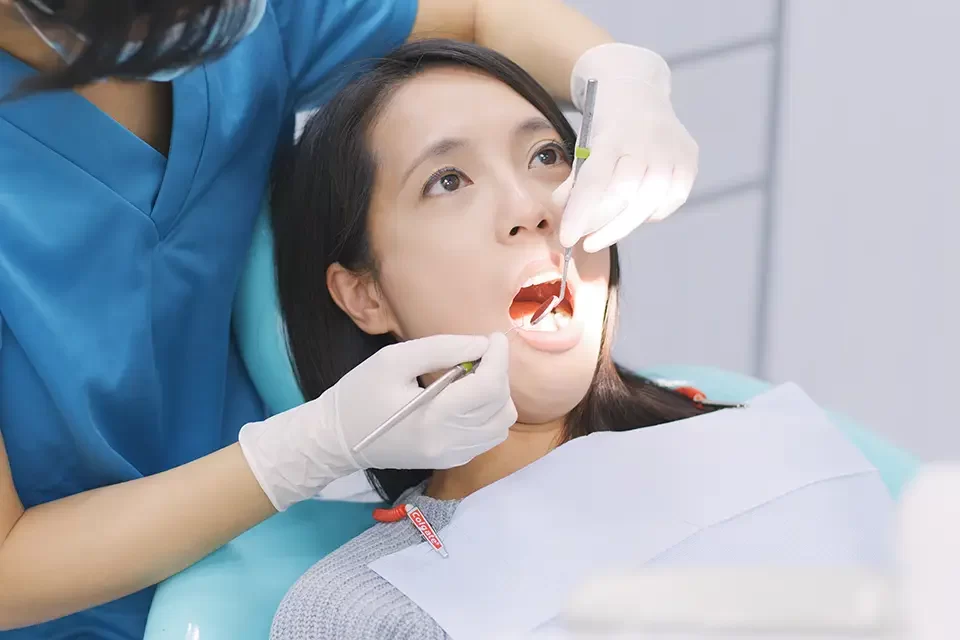
Comfort & Anxiety Support at DentiFlow Dentistry: Routine Dental Check Up
Nerves are normal. We agree on a pause signal, use topical numbing where helpful, and keep narration short and clear. You’re in control throughout your routine dental check up—a calmer experience makes consistency possible, which is how prevention wins.
Why DentiFlow Dentistry in Thornhill
Local continuity matters. We track numbers over time, photograph progress, and recommend the smallest step that solves the real problem. You leave with clarity, not homework—just a few actions that make tomorrow’s brushing more effective than today’s. That’s a routine dental check up that respects your life as much as your teeth.
Conclusion
A great visit isn’t dramatic; it’s steady. When you know what each step does—and why—you can keep appointments short, procedures conservative, and costs predictable. Ready to make your next routine dental check up feel calm and useful? Book with DentiFlow Dentistry in Thornhill, Ontario. We’ll map your baseline, clean thoroughly, and give you two or three simple habits that keep gums calm and enamel strong long after you leave.
FAQs — Routine Dental Check Up
How often should I book a routine dental check up?
Most healthy mouths do well every six months. If gums are inflamed, saliva is low, or you’re in braces, we may suggest every three to four months for a short period to stabilize tissues, then extend once things are calm.
Do I really need X-rays at a routine dental check up if nothing hurts?
Sometimes. Targeted, low-dose images reveal between-teeth decay and bone changes that a mirror can’t show. We take them only when the results will change decisions.
What if I'm anxious or have a strong gag reflex?
Tell us upfront. We can adjust chair position, use smaller instruments, try distraction breathing, add topical numbing, or split care into shorter sessions. Comfort is part of a successful routine dental check up.
Can I skip flossing if I use a water flosser?
For many patients, a water flosser or properly sized interdental brushes work as well—or better—than floss. We’ll help you choose an option you’ll use daily and show you a technique that pairs with your routine dental check up results.