A professional hygiene visit should leave your mouth cleaner and your breath lighter—but it can also raise perfectly reasonable questions about dental cleaning side effects. Mild sensitivity, tender gums, or a metallic taste can feel unsettling if you’re not expecting them. At DentiFlow Dentistry in Thornhill, Ontario, our goal is to prepare you with clear, no-nonsense guidance so you know what’s normal, how long it lasts, and how to feel comfortable fast. In this guide, we’ll explain the most common dental cleaning side effects, how to minimize them before you arrive, what we do chairside to keep you comfortable, and the simple at-home steps that speed recovery. You’ll finish with a practical plan—and fewer surprises.
Why Minor Symptoms Can Follow a Thorough Cleaning
Cleanings remove hardened tartar (calculus) and plaque that irritate gums. When those irritants are lifted away, the newly exposed tooth surfaces and gum tissues can be a little reactive for a short time. Think of it as skin that’s been covered now meeting fresh air—temporary sensitivity is a predictable, short-lived response when tissues are healthy and healing.
We tailor your appointment length, instrument choice, and polish type to your enamel and gum health. That personalization reduces discomfort and helps keep dental cleaning side effects brief and manageable.
Common Dental Cleaning Side Effects (And What They Feel Like)
Most symptoms are mild and fade within 24–72 hours. Here’s what you might notice and why:
- Tooth Sensitivity: Zingy sensations with cold water or air because freshly de-plaqed areas transmit temperature more easily for a short time.
- Gum Tenderness or Light Bleeding: Gums recently inflamed by plaque can be touchy after a deep but gentle cleaning; this settles as tissues heal.
- Metallic or “Dental” Taste: Temporary after-taste from plaque proteins and polishing pastes; a rinse clears this quickly.
- Slight Soreness Along the Gumline: New exposure after calculus removal can feel like mild friction that eases in a day or two.
- Jaw Fatigue: Holding open or clenching from stress may leave muscles a bit tired; short breaks help.
These dental cleaning side effects should trend down each day; anything escalating or lasting beyond several days warrants a quick call.
What's Normal—and What Isn't
A little pink in the sink the day of your appointment, sensitivity to ice water, and tender spots along the gumline are common. Pain that wakes you at night, swelling, pus, or a foul taste that persists are not expected after a routine cleaning.
If you’ve had scaling and root planing (a deeper, therapeutic clean), dental cleaning side effects can be a touch stronger for 48–72 hours. We’ll give you a personalized after-care plan, including how to time over-the-counter relief and when to start salt-water rinses.
Reduce Dental Cleaning Side Effects Before Your Visit
A few small choices in the days leading up to your appointment can make a big difference:
- Use a Desensitizing Toothpaste: Start 7–10 days before your visit; leave a thin layer on sensitive areas overnight after brushing.
- Stay Hydrated: Well-hydrated tissues are calmer tissues; bring a water bottle to sip after your appointment.
- Eat First: Have a light meal 60–90 minutes before so you’re comfortable and not light-headed.
- Review Medications: Blood thinners or new supplements? Tell us. We’ll plan techniques that limit bleeding and reduce dental cleaning side effects.
- Note Hot/Cold Triggers: If cold hurts, we’ll use gentler air/water flow and warm rinses during your cleaning.
During Your Appointment: Comfort Measures We Build In
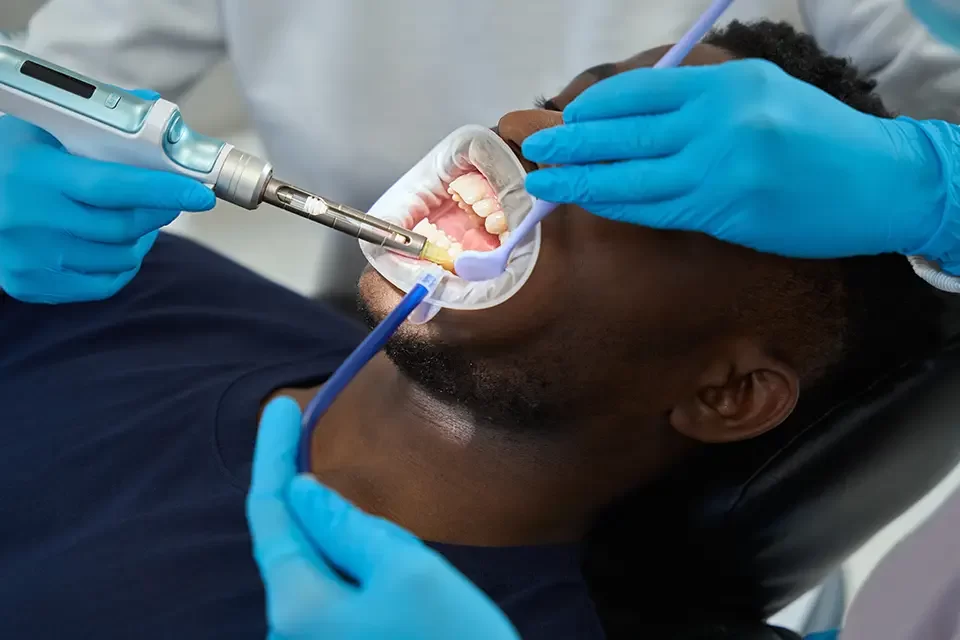
Comfort isn’t an add-on—it’s baked into our process. We use feather-light, calculus-targeted strokes, warm water where appropriate, and soft prophy pastes. When needed, we can apply topical desensitizers before we begin. Short rest breaks relax your jaw, and a bite prop can keep muscles from fatiguing.
Because we calibrate pressure and instrument choice to your enamel and gum health, we routinely see fewer and shorter dental cleaning side effects than patients expect.
How to Ease Dental Cleaning Side Effects at Home
Simple, consistent steps calm tissues and protect enamel while sensitivity settles:
- Brush Gently with a Soft Brush: Small circles at a 45° angle to the gumline—no scrubbing. This removes plaque without aggravating tissues.
- Rinse with Lukewarm Salt Water: ½ teaspoon of salt in a cup of warm water, twice daily for 1–2 days to soothe gums.
- Avoid Temperature Extremes: Skip very hot soup and ice-cold drinks for 24–48 hours to reduce sensitivity.
- Use Desensitizing Paste as a Spot Mask: After bedtime brushing, dab a pea-sized amount on sensitive areas; don’t rinse.
- Take Simple OTC Relief if Needed: Follow label directions; most people only need a dose or two.
Following through on these steps keeps dental cleaning side effects mild and short-term.
Special Situations: Braces, Gum Therapy, Whitening Plans
If you wear braces or clear aligners, we’ll tailor tools around brackets/attachments and teach you a quick post-cleaning routine so food debris doesn’t stick to newly polished surfaces. After periodontal therapy (deep cleaning), a little more tenderness is expected—your written after-care will reflect that.
Planning to whiten? We usually recommend waiting a few days after a cleaning, when dental cleaning side effects have settled, to avoid stacking two sensitivity triggers at once.
Dental Cleaning Side Effects: Timelines and What to Expect (Plus Typical Costs)
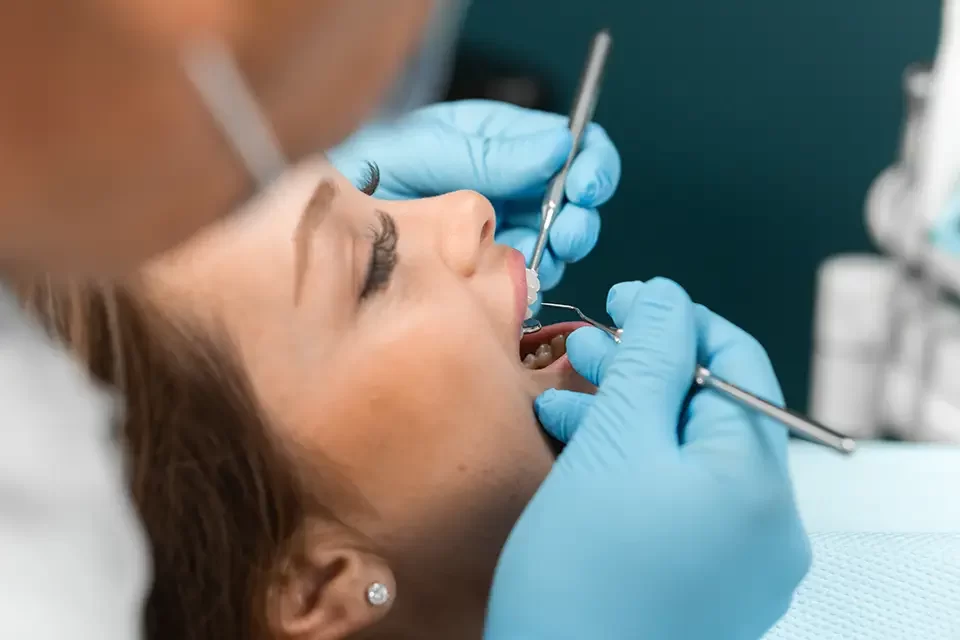
For routine hygiene visits, most tenderness fades within 24–72 hours. After deeper scaling in targeted areas, sensitivity can last 2–5 days but diminishes steadily. If anything worsens or persists beyond that window, contact us.
Costs for routine cleanings vary by time, buildup, and whether x-rays or fluoride are included. Your hygienist will review your fee estimate before we start and explain any preventive add-ons designed to limit dental cleaning side effects—for example, an in-office desensitizing varnish when you’re prone to cold sensitivity.
Why Choose DentiFlow Dentistry in Thornhill
Consistency reduces surprises. At DentiFlow Dentistry in Thornhill, you’ll see the same calibrated, gentle technique each visit, plus clear after-care in writing. We track your sensitivity history, flag triggers in your chart, and adjust polish types and irrigation temperature accordingly. That’s how we keep dental cleaning side effects rare, brief, and easy to manage.
Conclusion
A clean, healthy mouth shouldn’t mean a sore day afterward. With a few simple prep steps, gentle chairside technique, and smart after-care, most people experience only mild, short-lived changes—and often none at all. If you want a personalized plan to minimize dental cleaning side effects and keep your gums on track, book a hygiene visit at DentiFlow Dentistry in Thornhill, Ontario. We’ll tailor your appointment around comfort and prevention, so you leave feeling fresh and confident about the days ahead.
FAQs — Dental Cleaning Side Effects
How long do dental cleaning side effects usually last?
For routine cleanings, most sensitivity or gum tenderness fades within 24–72 hours. After deeper scaling in specific areas, side effects can extend to 2–5 days but should improve each day. If symptoms worsen or linger, call us.
Can I brush and floss the same day?
Yes—gently. Use a soft brush and resume flossing with care that evening unless we advise otherwise. Keeping plaque off healing tissues actually reduces dental cleaning side effects.
What if I already have sensitive teeth?
Tell us ahead of time. We’ll add a pre-visit desensitizing plan, use warm irrigation, and consider in-office desensitizers. These steps meaningfully lower dental cleaning side effects for sensitive patients.